Here's a summary based on what I've learned so far:
AIO
Compared to air coolers have more moving parts that can go bad and some of them can’t be replaced (pump on an AIO vs a fan on an air cooler). So you’d have to junk the whole thing.
There is a slight risk of leaks. It’s mature tech by now, so it maybe rare though. YMMV.
It could work better than an air cooler when the case airflow is bad. This is because you can mount the radiator so that it directly sucks cool ambient air from outside the case. Air coolers can only use the air inside the case.
Don’t assume by default that an AIO can cool better. It depends on the AIO model and what you’re comparing against. AIOs have thermal inertia which exaggerates the initial cooling effect.
[*]It leaves more space free around the CPU, making it easier to work with things around it.
This also means better aesthetics if you put the innards of your system on display (I think this and the rgb craze is just silly)
[]The physical strain on the cpu socket and motherboard is relatively less.
[]Decide on the radiator size first, based on your case design. In general the 120mm rads have comparable (not better) cooling performance as entry level tower air coolers. It’s best t check benchmarks and reviews. The 240mm rads are supposed to be the sweetspot where you get improvements without it being oversized. The 360s apparently only improve things slightly
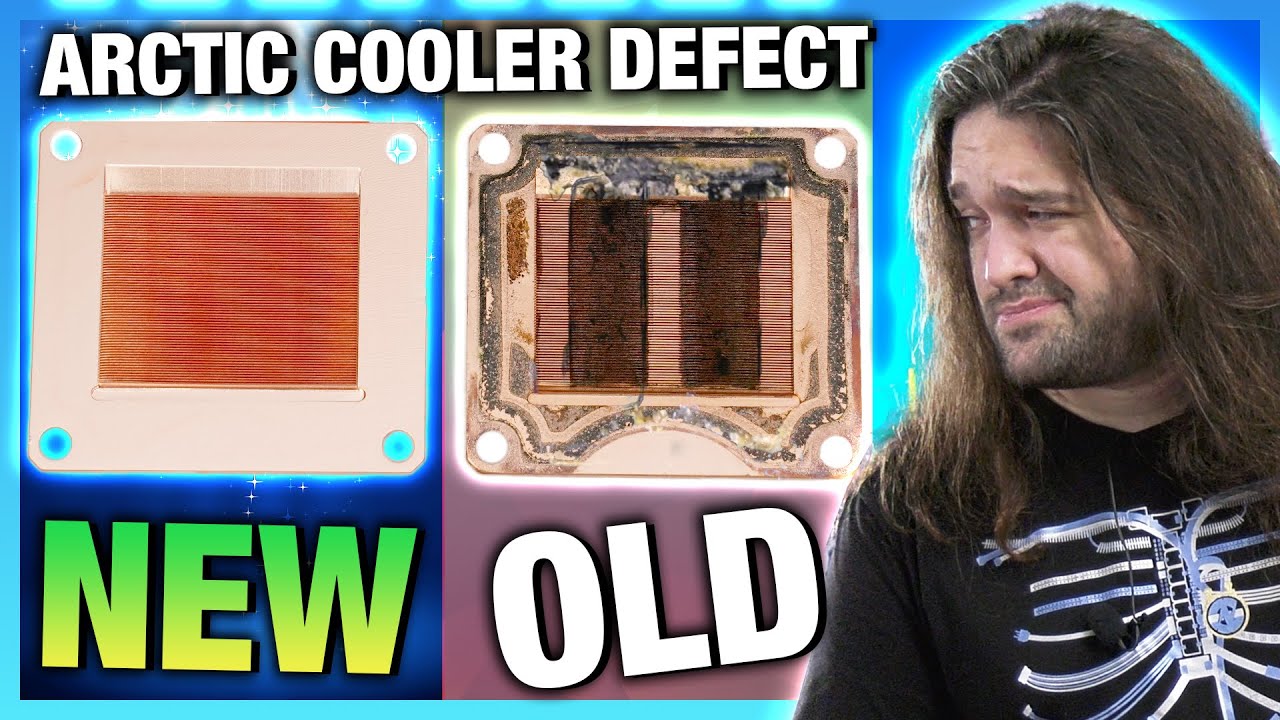
[]AIOs have shorter lives (6 years average quoted) because the liquid dries out and/or the cold plates and it’s fins may corrode.
[]Entry level AIOs are more expensive than entry level after market air coolers. However mid level air cooler might be pricier than some AIOs. YMMV
Air Cooling
Unlike in the past where Air Cooling (thereby referred to as ArC) used to be one solid extruded aluminium heatsink with a fan. The modern ones uses heat pipes, which work very similar to the water in an AIO but with a vapor phase changing mechanism, which is actually superior to circulating water around.
If fed with cool air, it looks like you can always get an air cooler that’s on par with or better than an AIO.
Case air flow is important because of pt 2. You also need a large enough case to house a big tower ArC.
More physical strain on the sockets from larger tower ArC, less accessible space around the CPU (but I don’t think they’re a big deal)
It follows that it’s a risky proposal to ship cases with large tower ArC preinstalled.
[*]Much safer than AIOs and they have low maintenance, if a heat pipe breaks, it’ll just dry out, won’t leak liquid. If the fan dies, it’s easy to replace.
Well written!
AIO does leaks out of nowhere even if its installed perfectly or not fiddled with.
As for Air cooler, bulky ones should be possibly avoided though now every cooler comes with a strong bracket and clips but we need to ensure it doesn’t stresses the cpu zone on the mobo.
The key question is your workload.
I built a proper desktop rig after probably a 15 year hiatus last week. Considered an AIO and decided against it.
The rationale for me was simple - my workload (dekstop apps, games and game streaming) was simply not such that puts a sustained load on a half decent CPU.
The thermal bottleneck for me will always be the GPU and the question of my desktop CPU reaching thermal constraints does not arise in the first place making the point of an AIO moot.
Post assembly, I have never seen the CPU cross 70C (usually in the 35-45 range, 50-60 under load and 70-71 at peak bursts) so in hindsight, it was the right call.
The only expense I incurred on cooling was about 2K on 2X push and 1 x pull case fans.
While I was certain of ordering at least an after market air cooler, I am probably not even going to do that now - unless someone has any suggestions on why it may help.
If OTOH I were into sustained CPU loads (Video encoding perhaps?) then it would help the cause.
On a side note, My desktop app load is intensive enough to throttle most laptop x64 CPUs but one can’t really put an AIO on those
I couldn’t get any statistics on the leaks, did you experience a leak personally? IMO monitoring the temperatures constantly is more critical for AIOs to detect potential leaks or clogged internals.
Though I didn’t say it explicitly, my assumption was that you have a workload that heats up the chip enough to consider an after market cooler.
I’d prefer the stock cooler if that was an option. No additional charges, small and light etc. My order of preference is Stock > aftermarket air coolers > AIO
This is perfect. Both the choice to use the stock cooler and the case fans to feed it nice cool fresh air. About the fans, afaik, 1x pull from the front and 1x push from the back has the most bang for the buck in addition to having a neutral air flow.
Yup, apparently the ones that have the fix has a QC Ok sticker on them
Very nice summary. If you want you can add that shipping an assembled computer is therefore advisable only with AIOs, being even superior to stock coolers in this department.
Guess I got lucky with all my shifting around. Never gave it a thought when I had the TRUE120 installed and it went through 4~5shifts across the country
Yes, similar weights, but I’ve seen mostly lower height of AIOs, which makes it easier on the motherboard. Though I know both are much better than even a small tower cooler in this department. So it’s nitpicking to choose between them.
Wow, you must have had a beast of a motherboard. I didn’t know it was possible, even with somewhat careful moving.
Mine’s shipped on 9th Sep too, didn’t reach India yet, awaiting delivery. They shipped through DHL and after it reaches India then India post will handle it.
Let me know when it reaches for you.
The problem is that many people don’t really take this into consideration.
Obviously I do not have data to support this but I suspect that a large number of AIO buyers will be PC gamers who buy an AIO under the assumption it will help with gaming performance.
Highly CPU dependent loads are usually limited to people using the machine for professional reasons and they will not go around changing anything from what comes stock.