Hello folks!
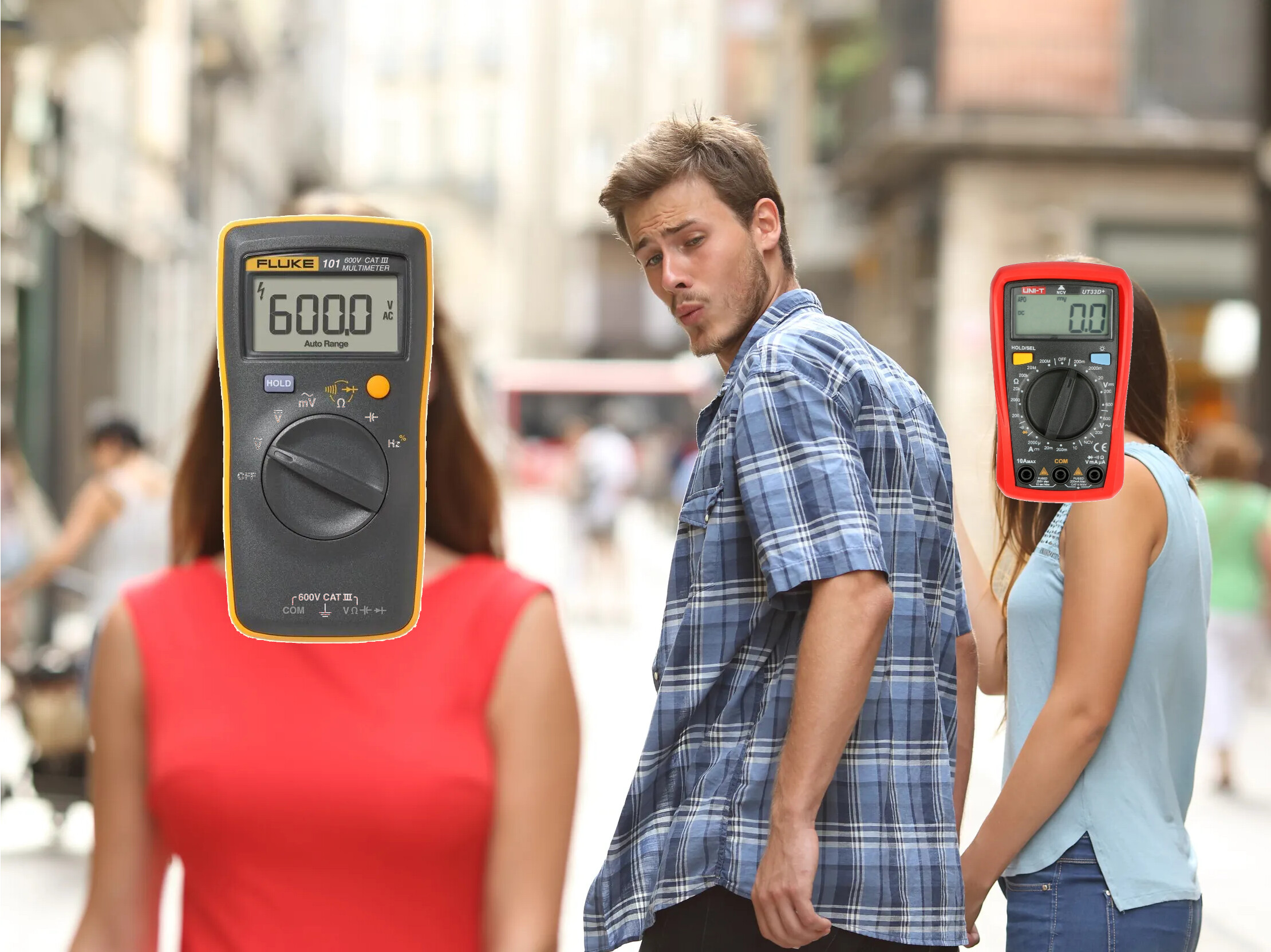
If you are looking for a digital multimeter on a tight budget, this might just be the best “bottom-of-the-barrel” option that still delivers decent quality.
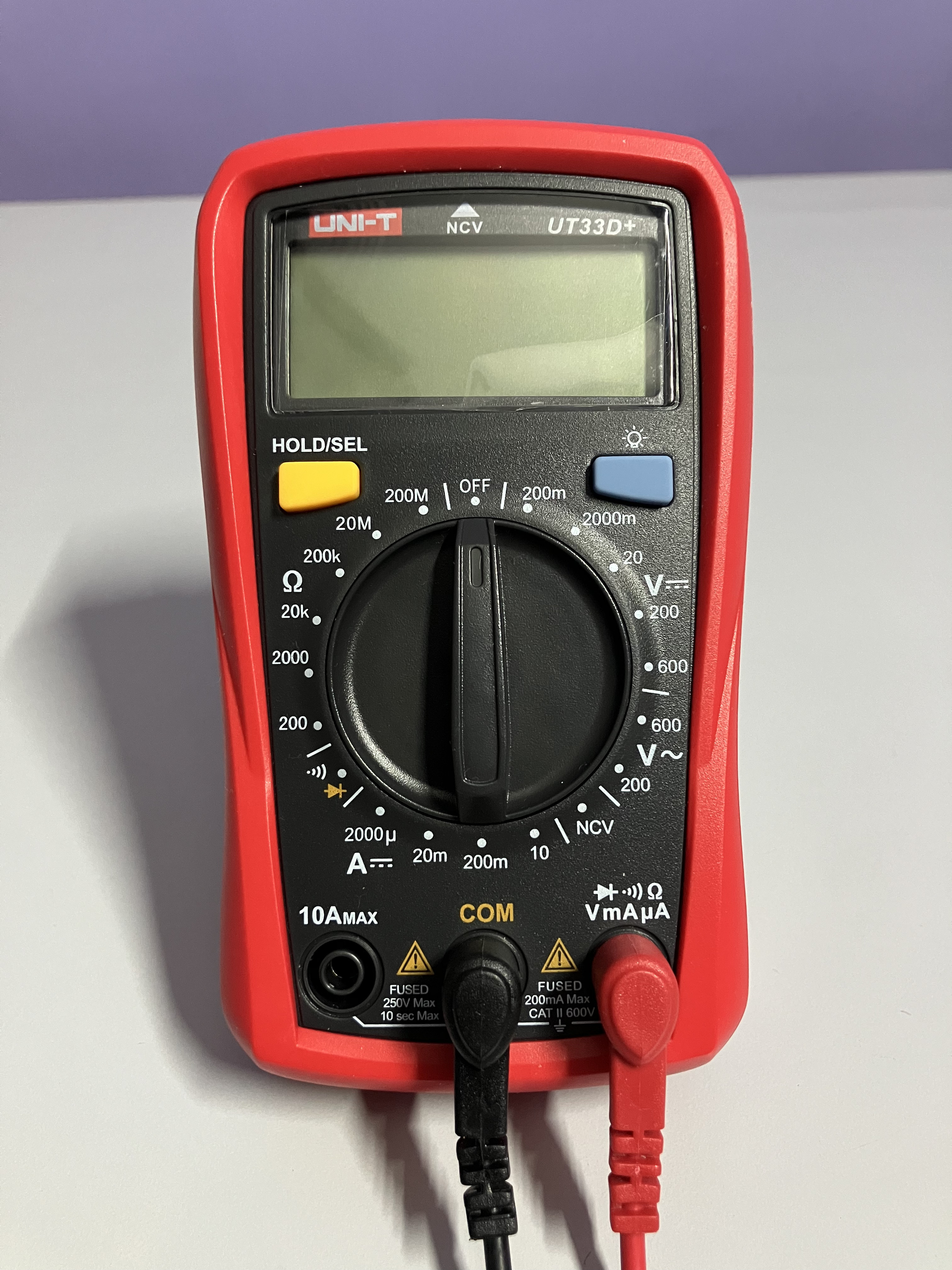
Model: UNI-T UT33D+ Pocket Digital Multimeter
Price: Around ₹800
There are tons of multimeters in the ₹150 – ₹800 range. Most of them work… kind of. But this one stands out for being consistent and reliable, which is exactly what we need.
What matters most at this budget?
At the entry level, we are not chasing lab grade accuracy. What we do want is:
- Repeatable results (the same reading every time you measure the same thing)
- Solid controls (so your tool isn’t fighting you)
- Decent probe leads (no flaky connections)
On very cheap meters, I have noticed:
- The rotary switch often doesn’t land cleanly, giving weird readings.
- Probe leads get loose quickly, causing intermittent or laggy measurements.
The UNI-T UT33D+ does surprisingly well here:
- The rotary switch feels notchy and clicky (very satisfying)
- The probes stay firm and make good contact
- I have been using it for a week, and it’s been solid so far
Build & Features
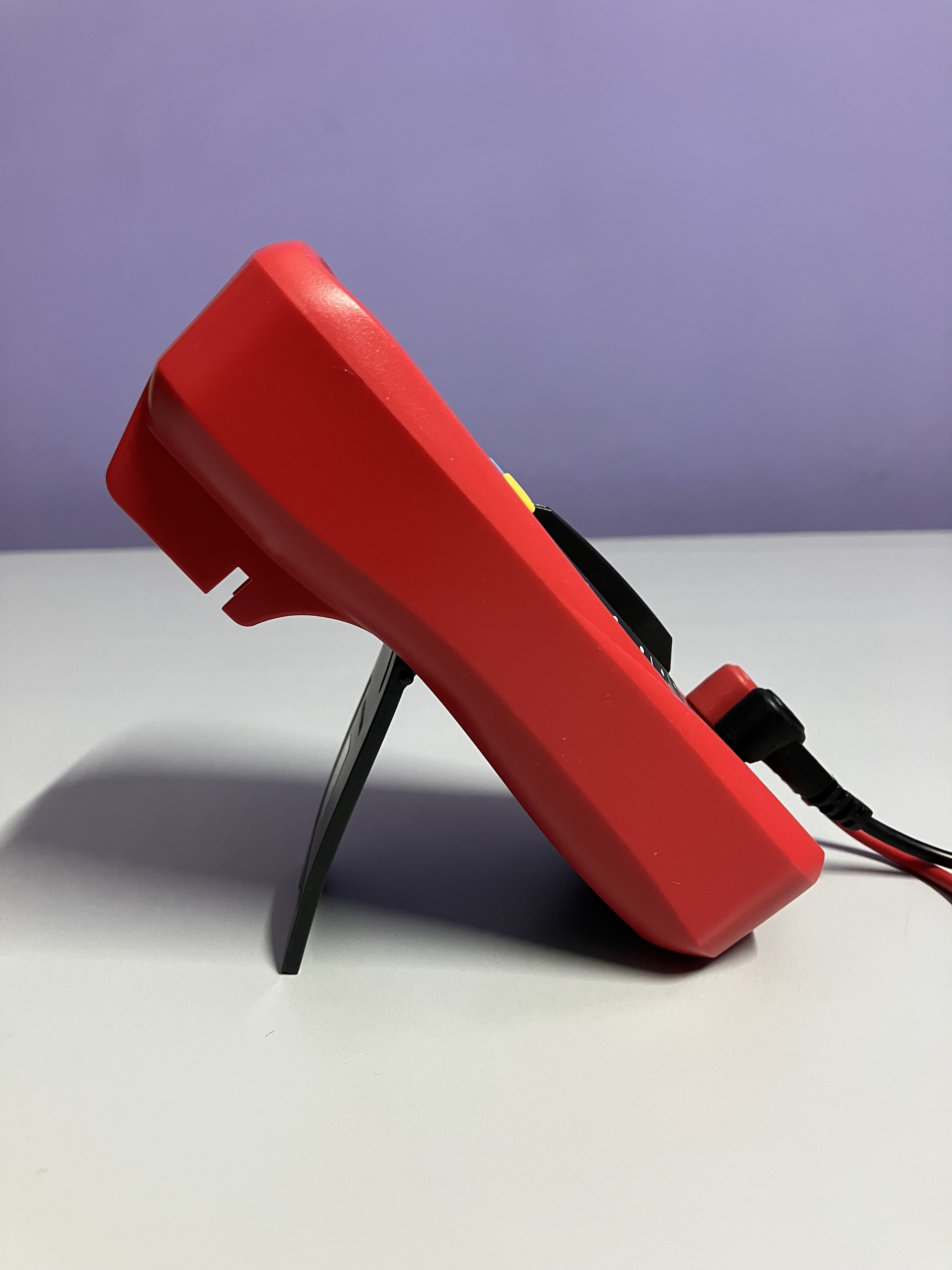
- Pop up stand for bench use
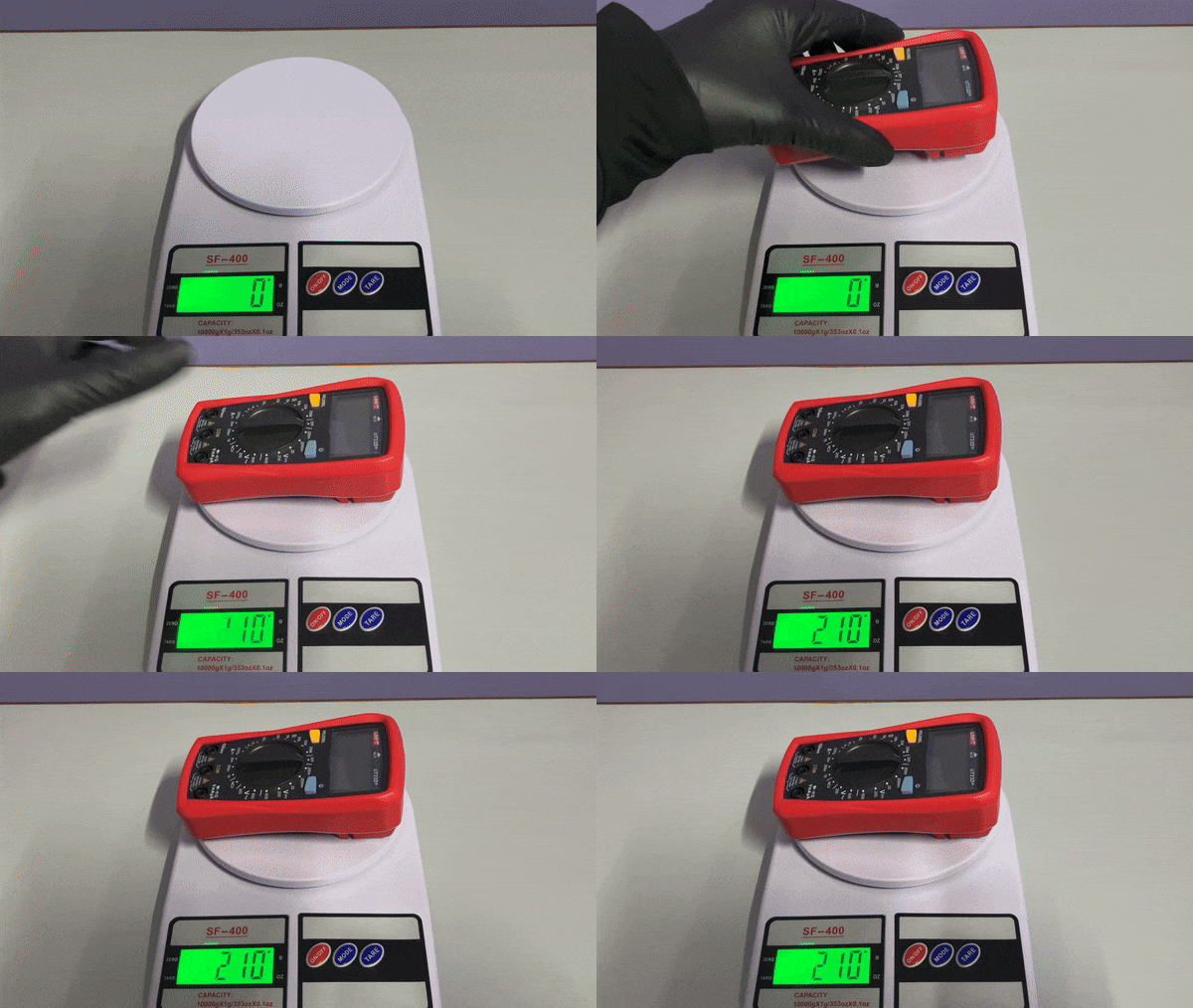
- Removable rubber protective case
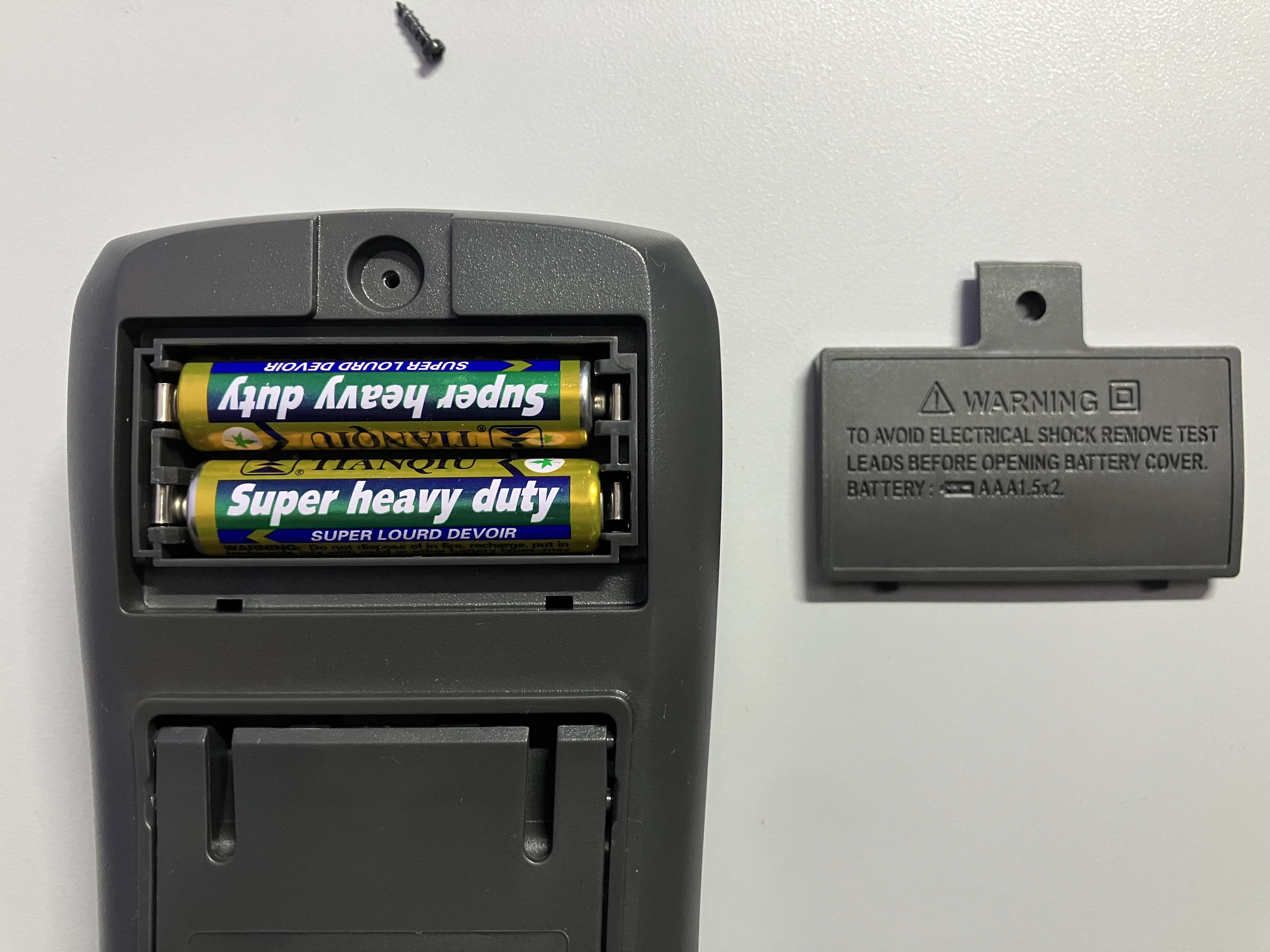
- Runs on 2 AAA batteries
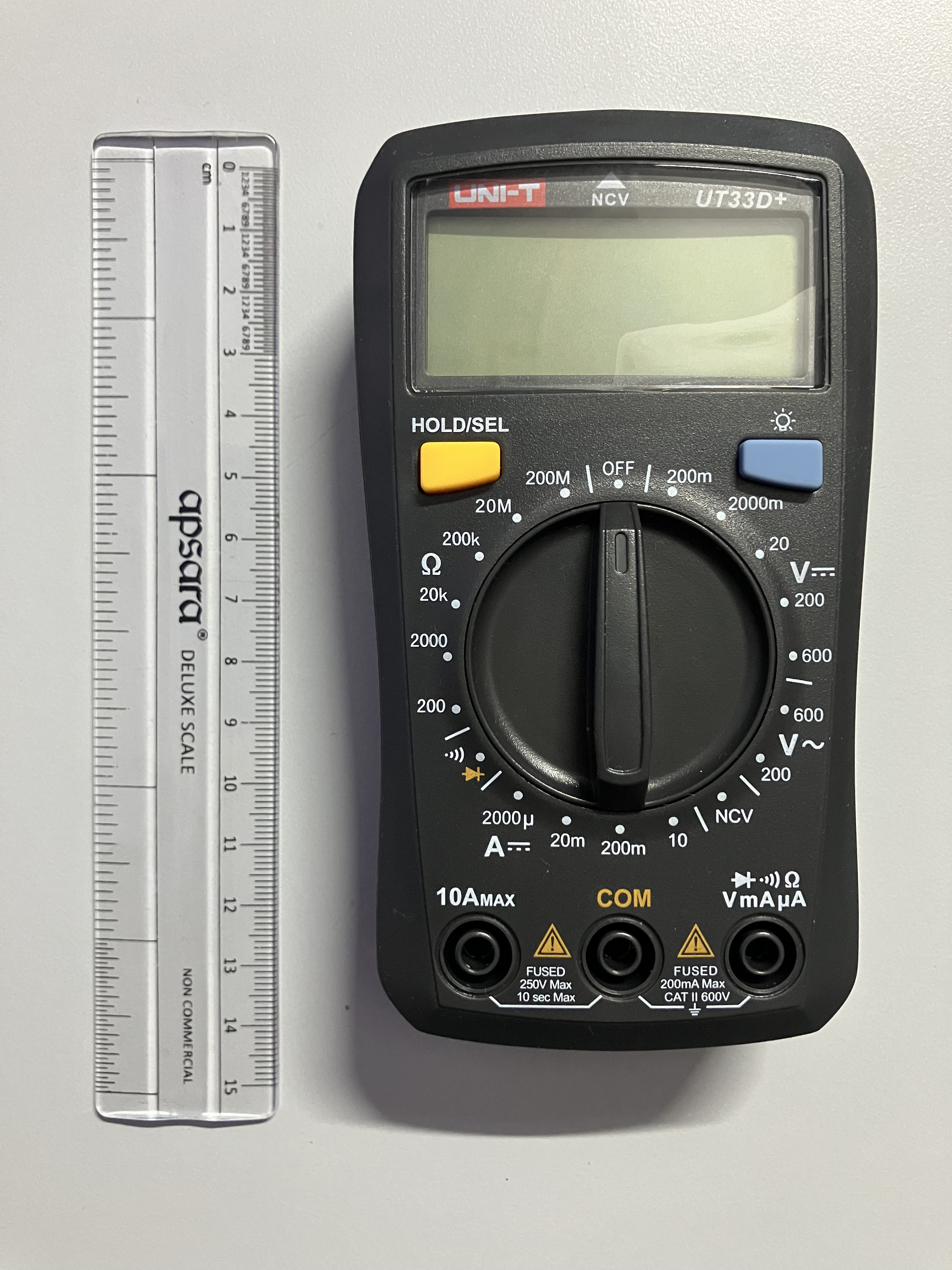

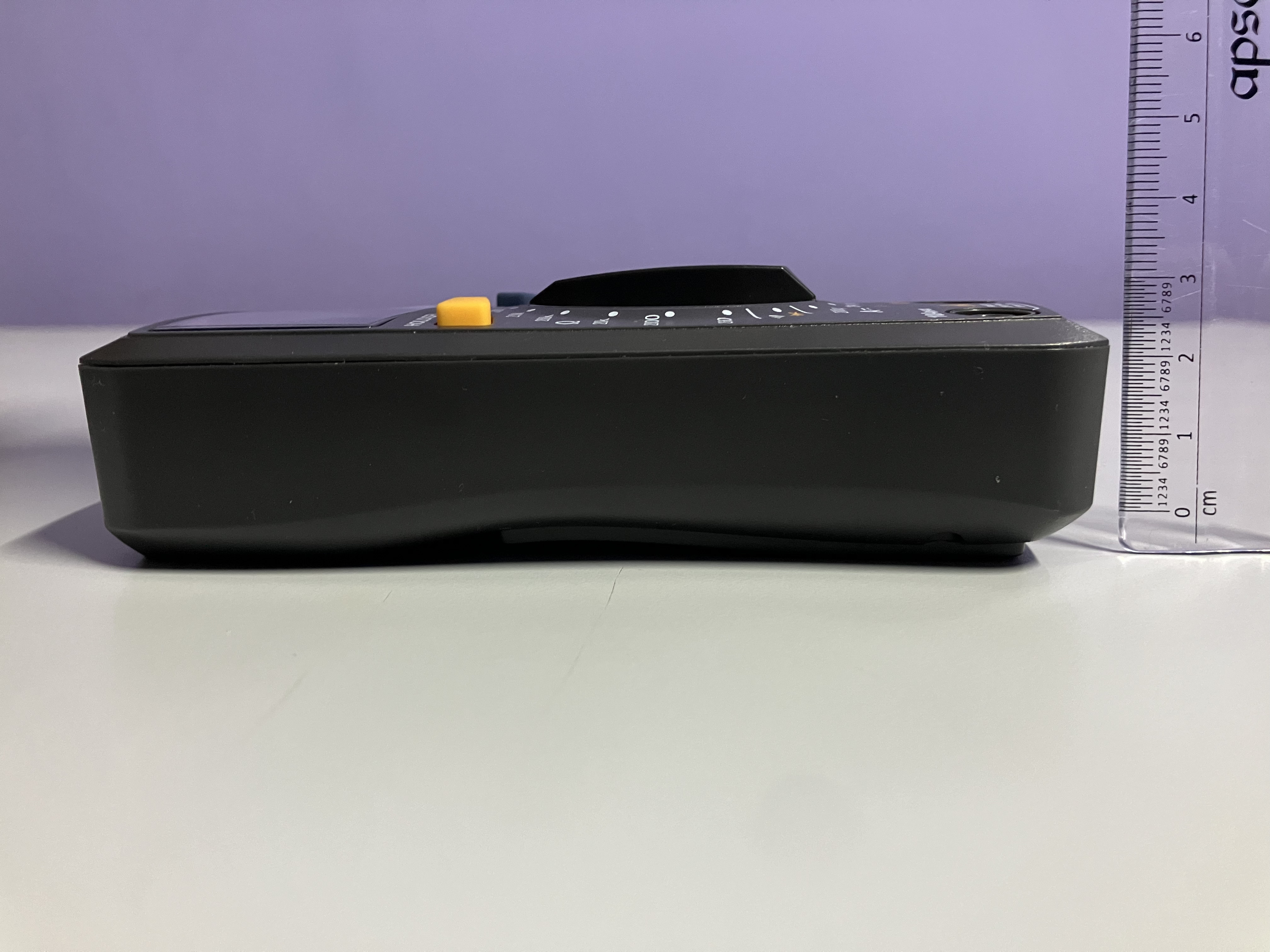
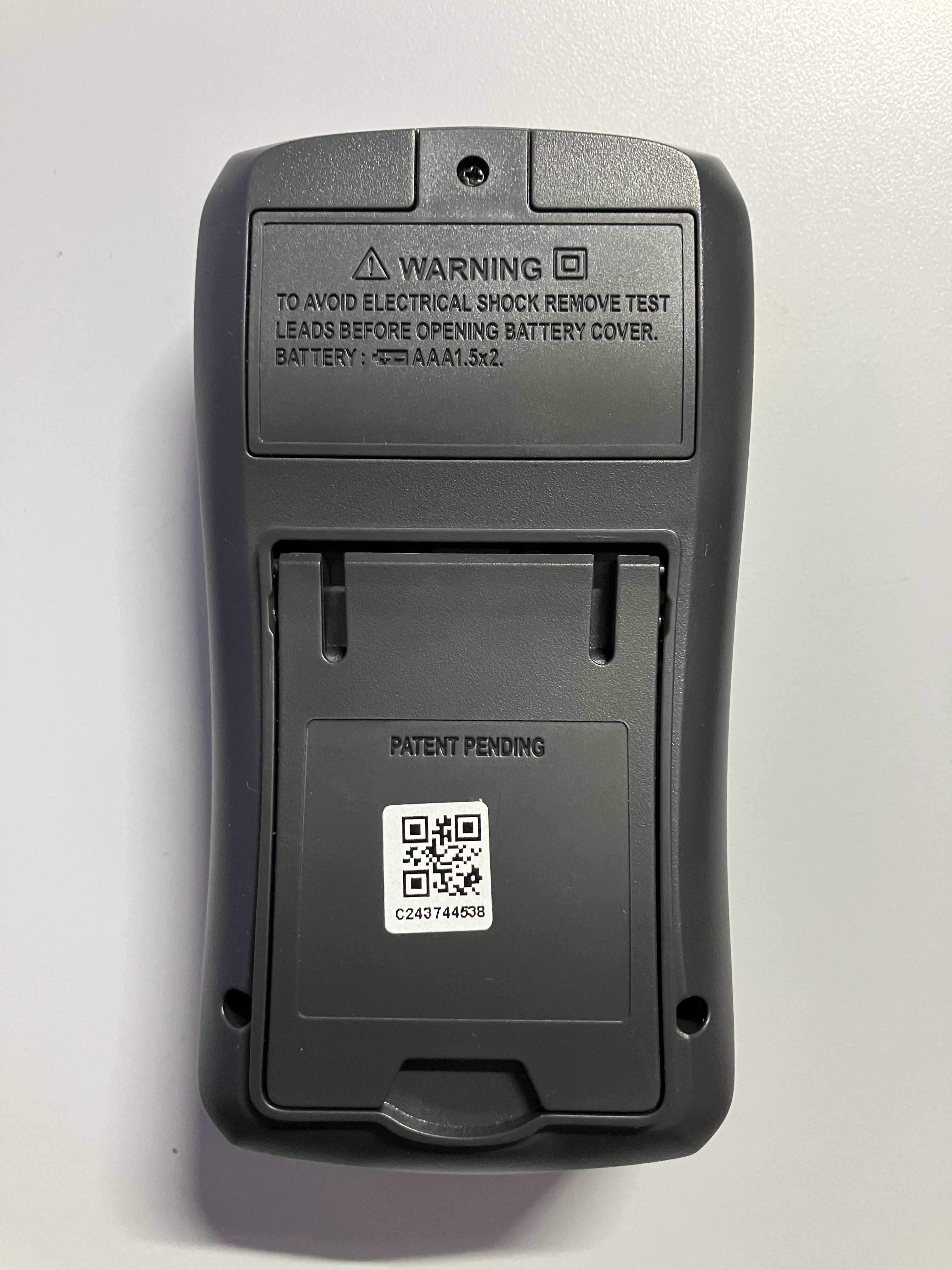
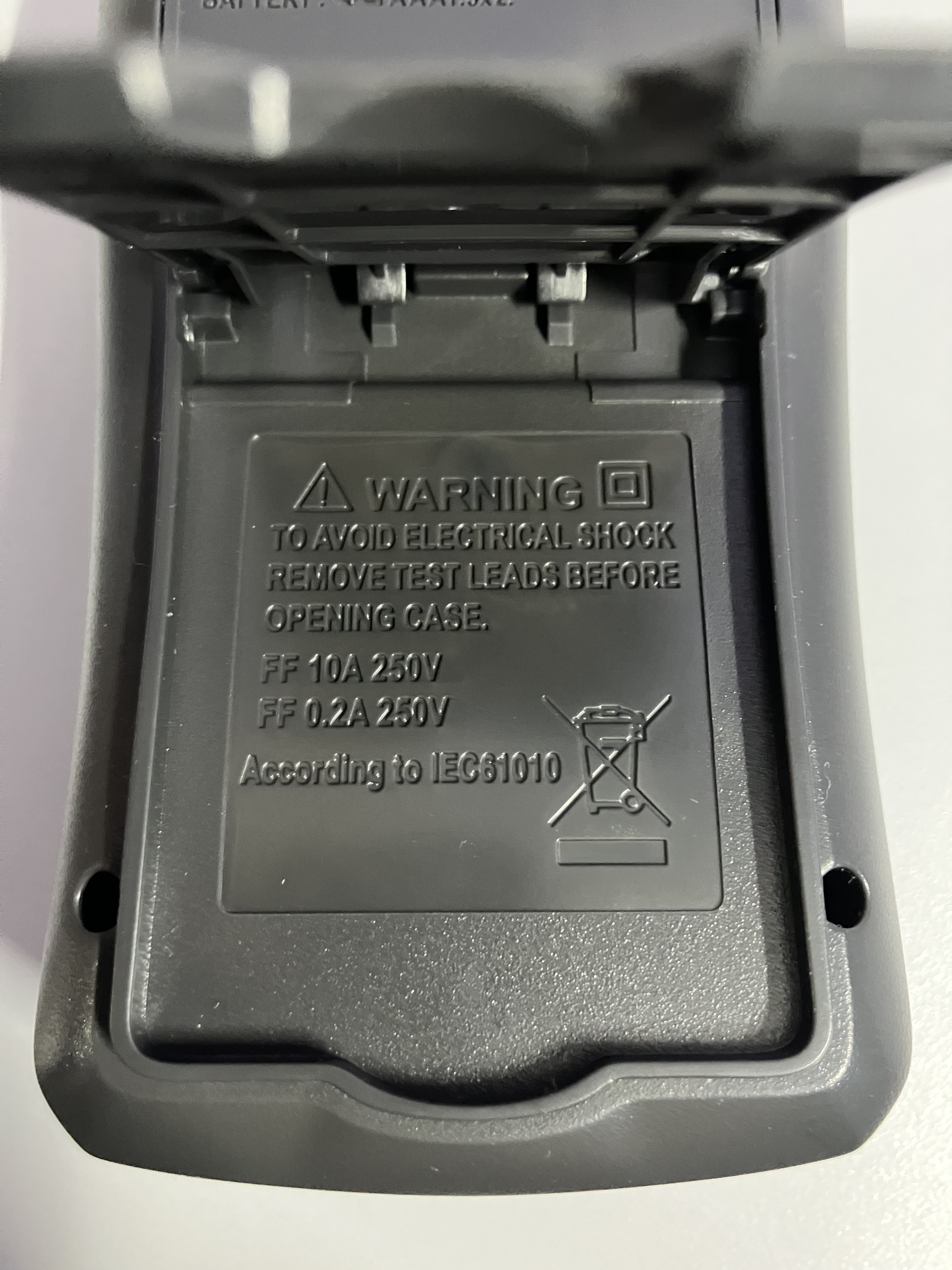
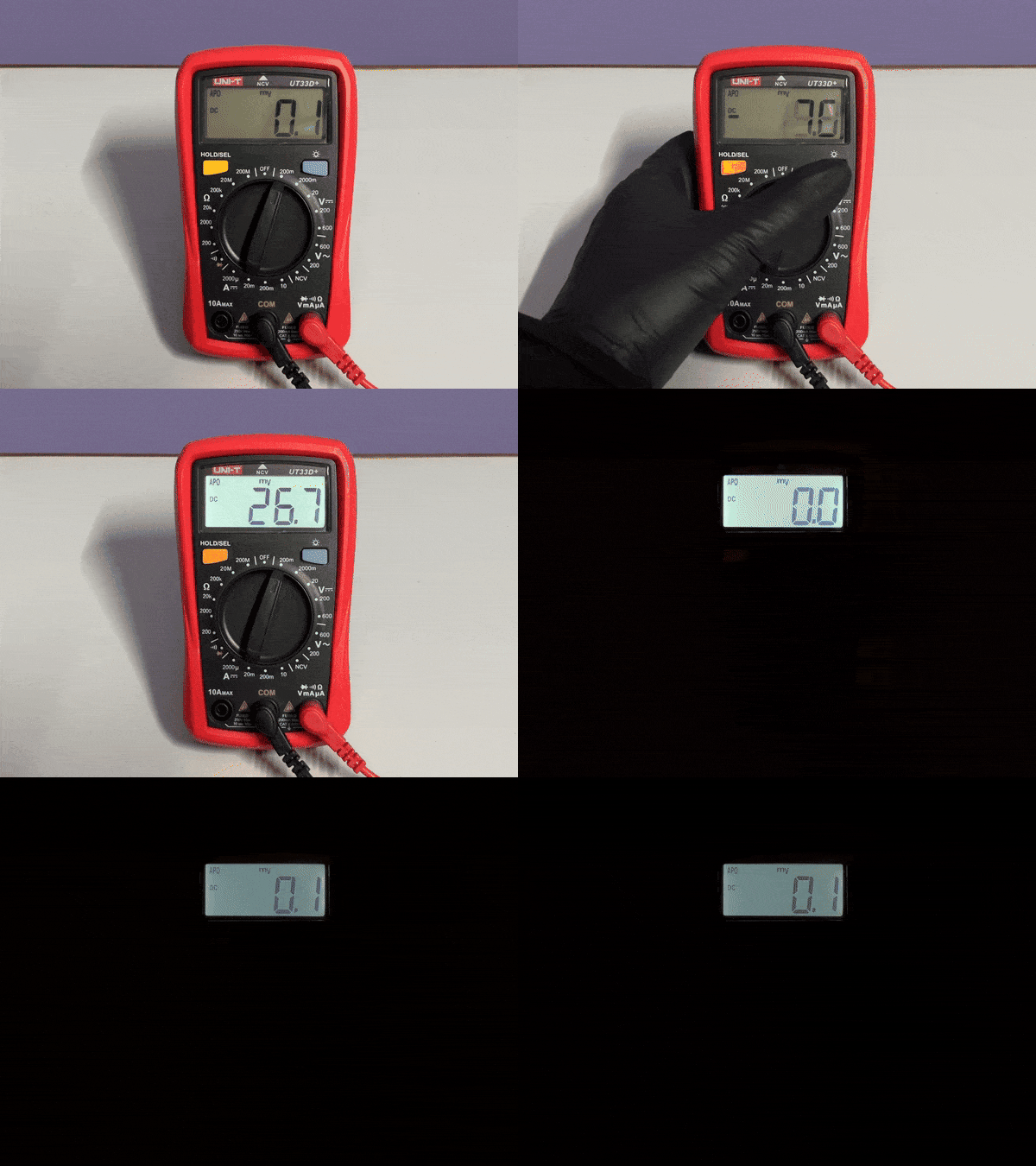
- LCD backlight (great for dim workspaces)
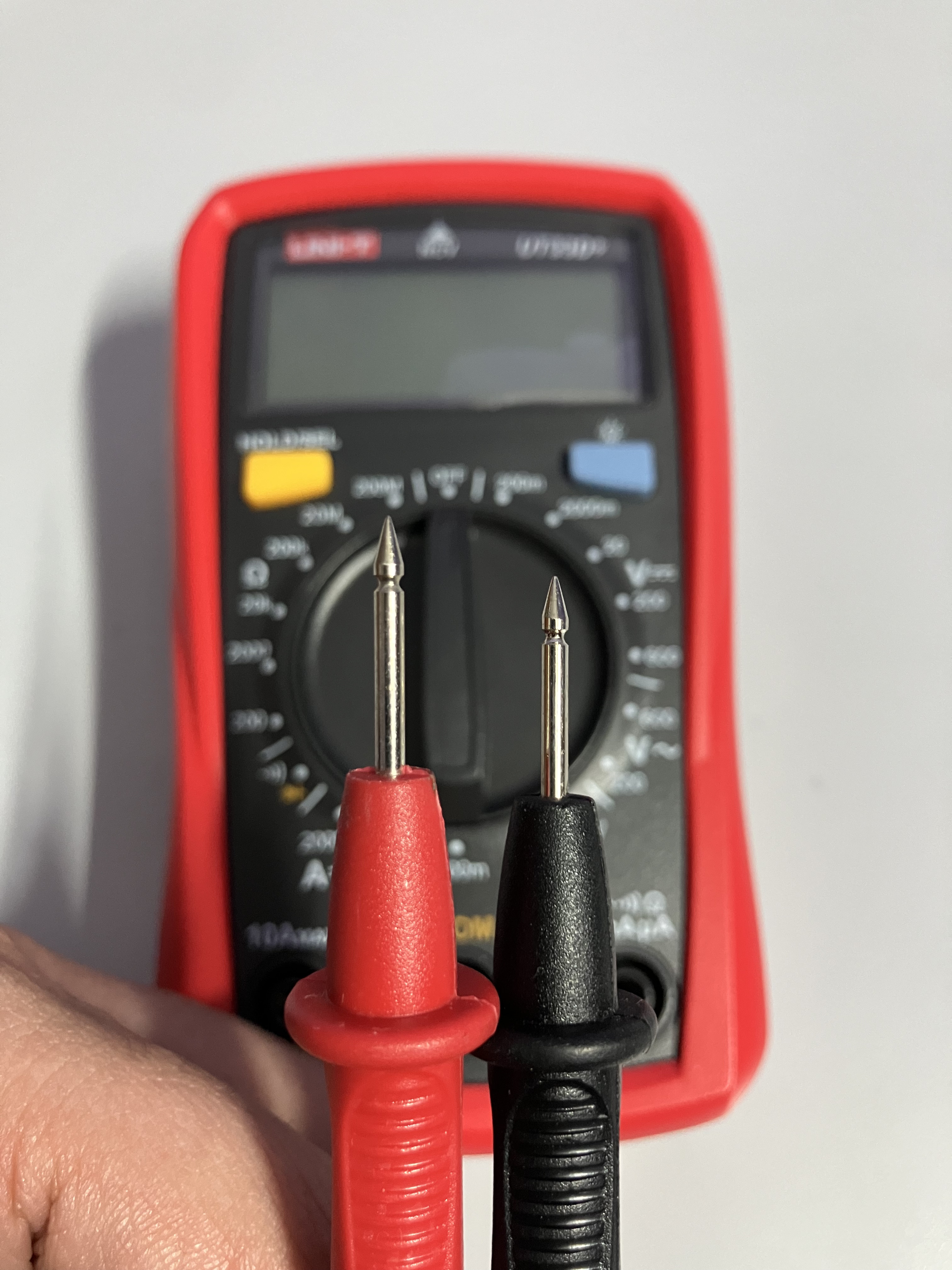
- Sharp, pointy probes (nice for small terminals), keep away from children.
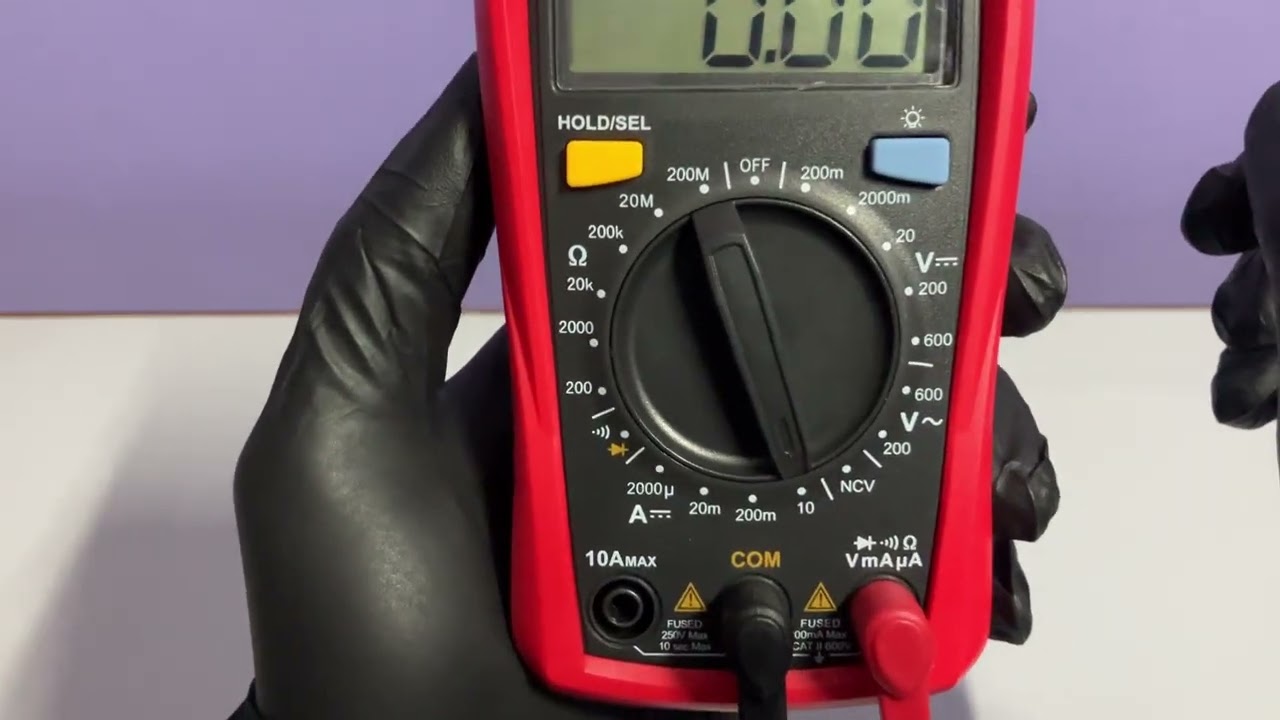
Rotary Switch Feel
The switch has a firm, clicky feel, and the beep feedback is clear and satisfying.
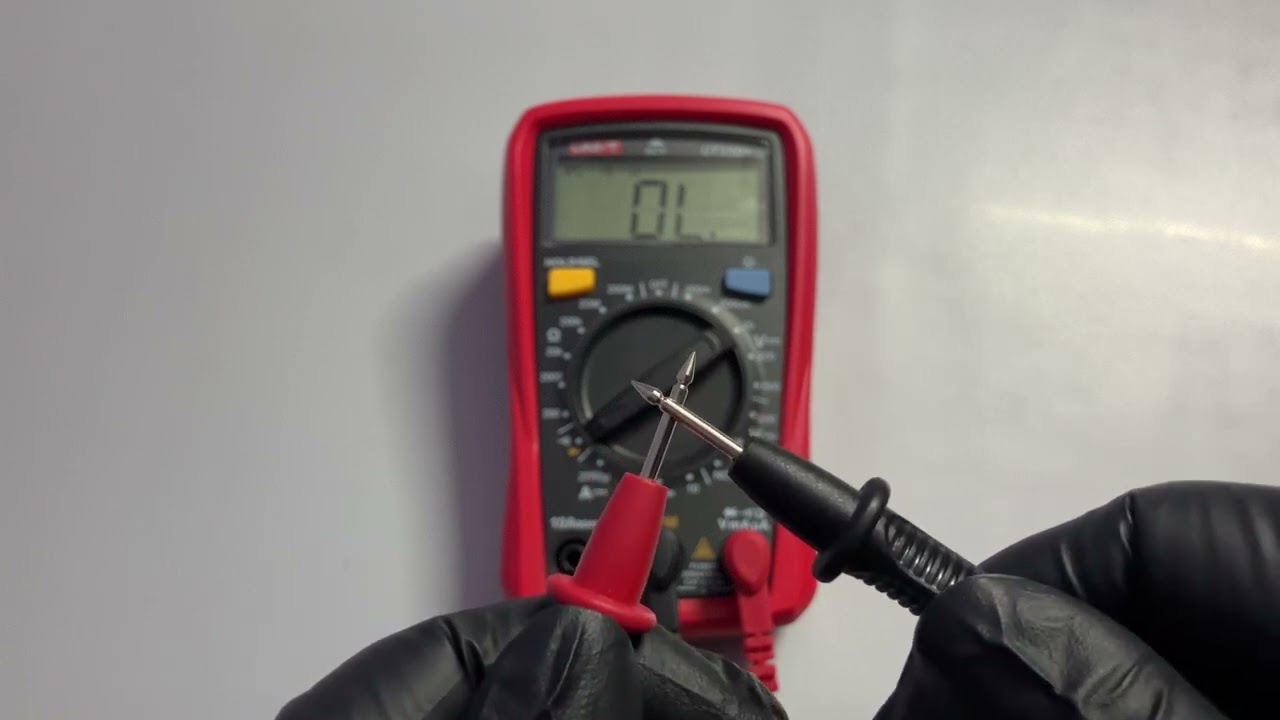
Continuity Test
Fast response for an entry level meter , no annoying delay.
I have no electronics background, is this useful for me?
Even if you are not into electronics, this little tool can be handy.
You can:
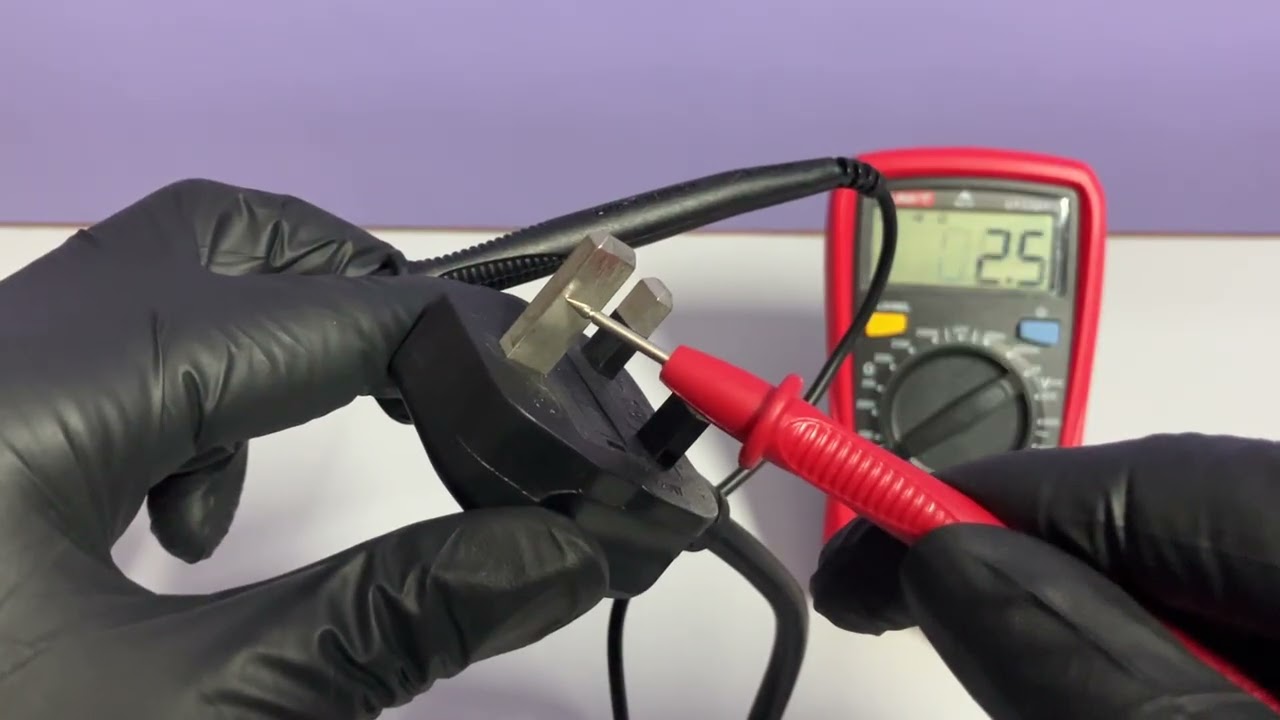
Check cables and fuses
Find out if a wire is broken or a fuse is blown.
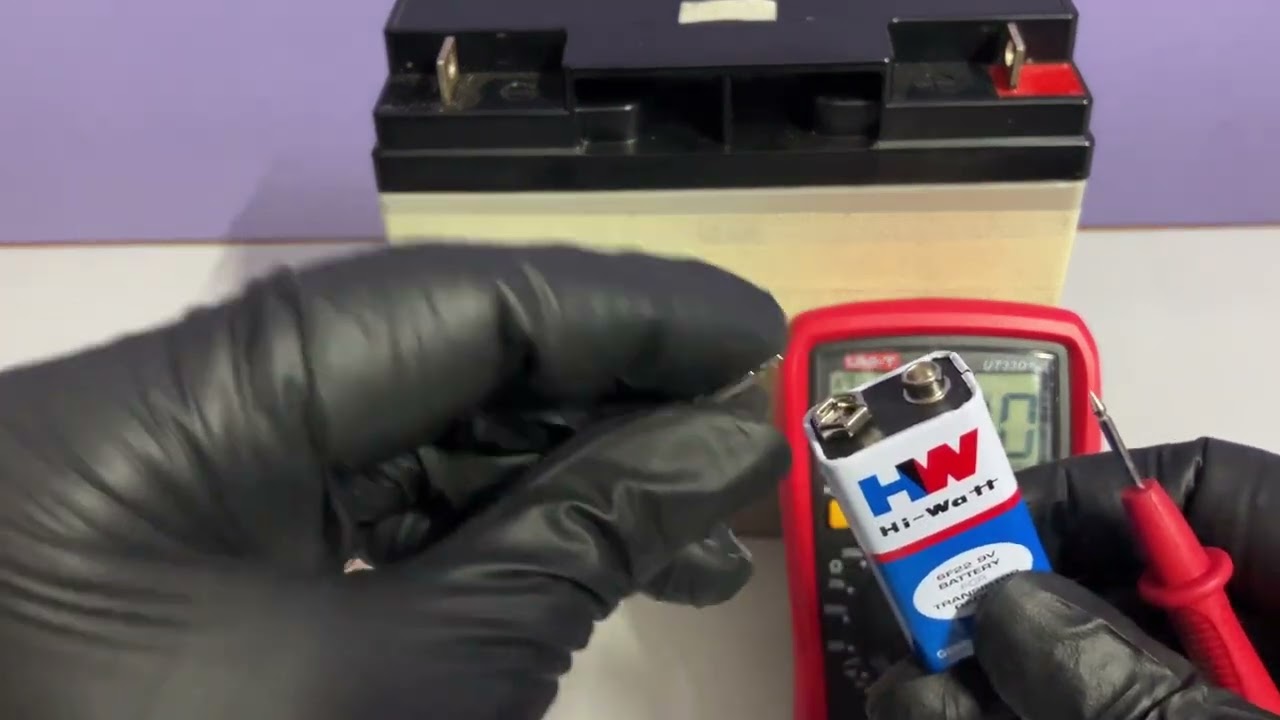
Measure batteries
Check how much juice is left in:
- AA, AAA, coin cells (CMOS)
- Car Battery
Set the meter to DC 20V and you can safely measure anything up to 20 volts. This is the safest voltage range to use. Polarity doesn’t matter, if the probes are reversed, the meter will simply display a negative sign.
A simple multimeter like this one can help you
- check you car battery voltage, is it really time for replacement?
- is the car even charging your battery?
and more simple stuff like this.
Check your PC PSU voltages
You can verify whether your power supply is actually delivering the correct voltages:
- 12V rail (CPU, GPU, fans)
- 5V rail (USB devices, storage)
- 3.3V rail (motherboard logic)
Eliminating the need to buy special tool.
Test cables and connectors
You can measure resistances of each wire in a connector, this helps catch bad cables before they cause headaches.
AC Voltage Test
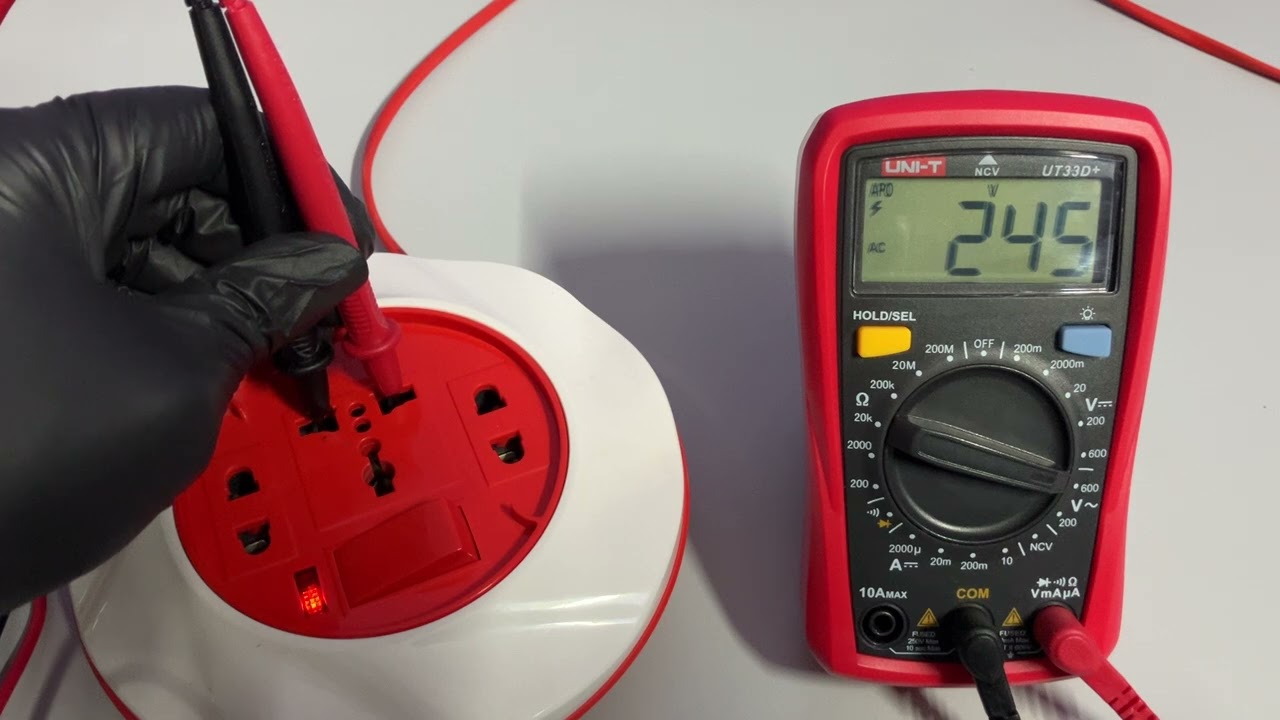
Non-Contact AC Voltage (NCV)
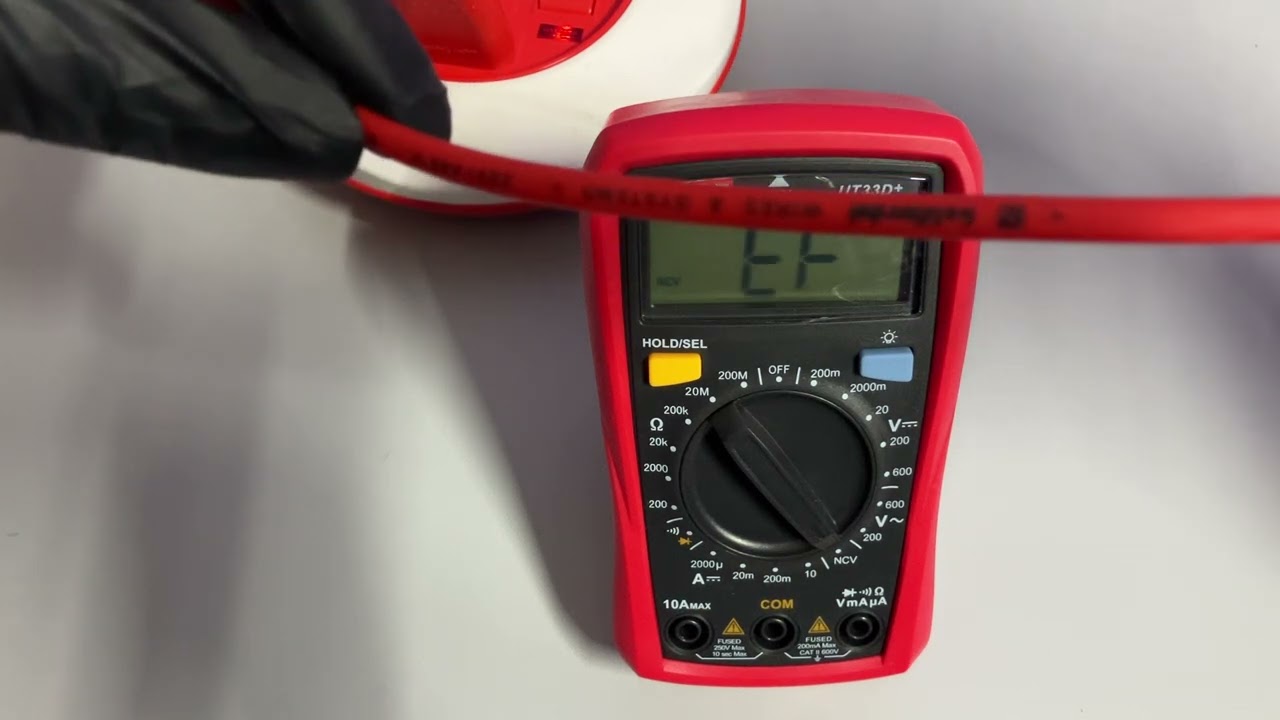
The NCV feature is a bit sensitive (they usually are), but it works, great for quickly checking if a wire is live without touching it. Sometimes can also help you track wires in the wall.
TODO: I’ll try to test current, resistance, measurement later and update this post.
If you are looking for a cheap, no nonsense multimeter for home use, DIY projects, or basic troubleshooting the UNI-T UT33D+ is a surprisingly good pick for the money.