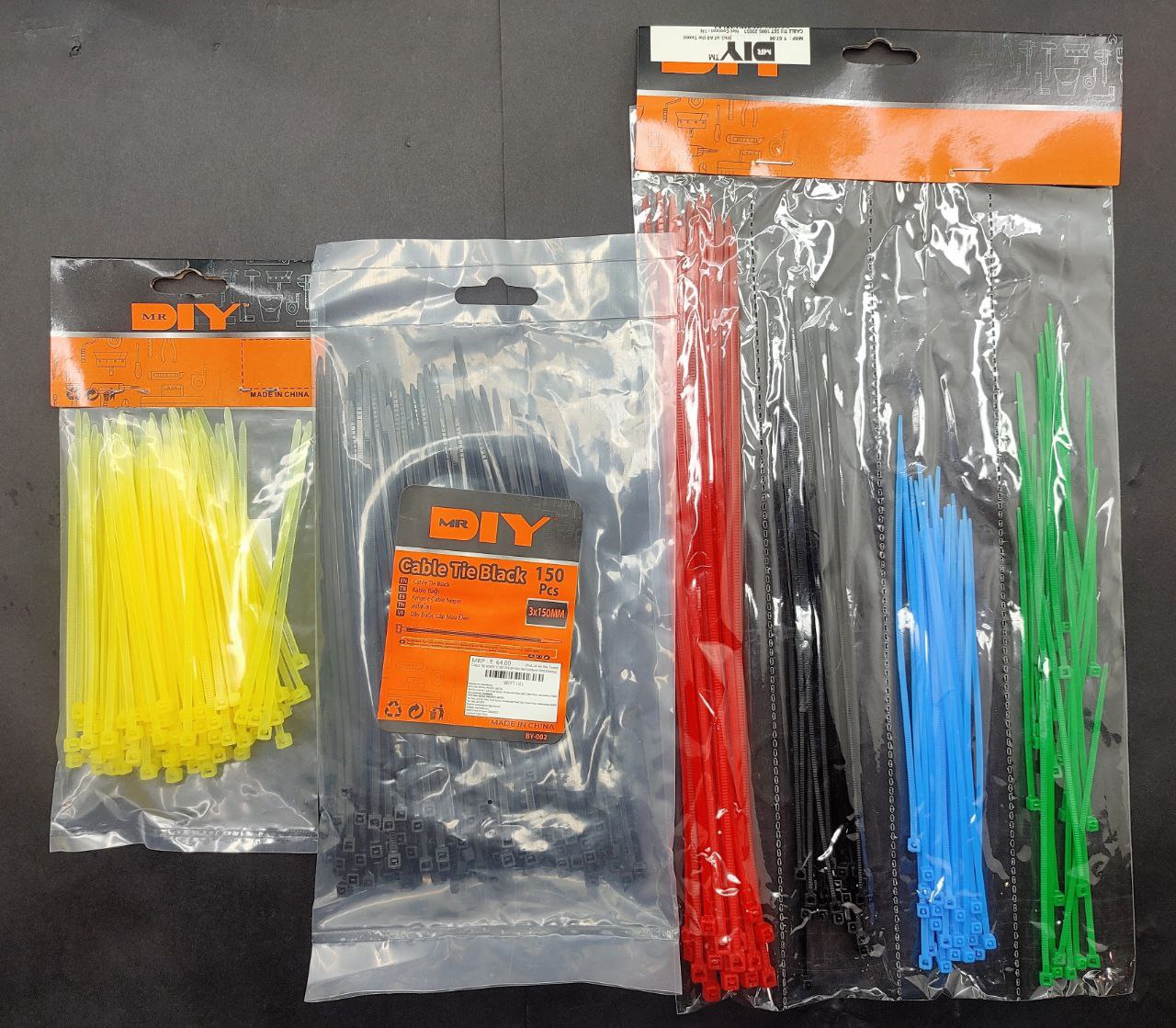
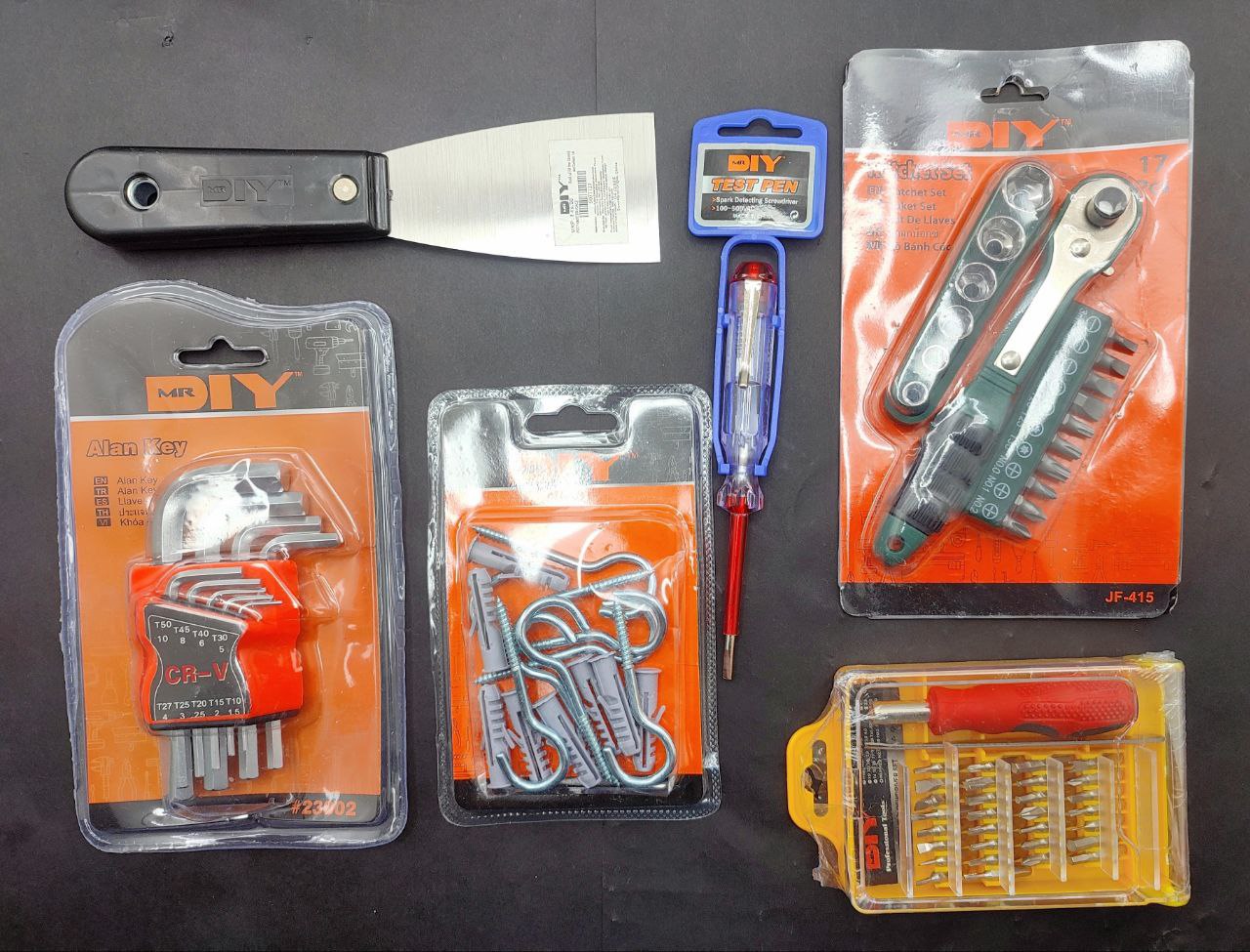
Are these wago clones cheap? Would you recommend doing up the whole home with them?
Is official wago available in India and at comparable price?
I just love modular stuff and no splicing.
Are these wago clones cheap? Would you recommend doing up the whole home with them?
Is official wago available in India and at comparable price?
I just love modular stuff and no splicing.
Zbotic has original wago:
https://zbotic.in/?s=wago&post_type=product&dgwt_wcas=1
Evelta has clones:
I got my clones from Amazon because I needed faster delivery than either of these.
But it looks like I’l be emptying out Zbotic’s stock with my next paycheck, ha.
These are the standard in europe, but they haven’t caught on here because of the added cost. I certainly prefer them even with the extra cost involved.
I’ve recently learned the UK has daisy-chained outlets for each room, so they don’t need these kind of connectors, you just crimp two wires into one ferrule and connect everything together in a chain. I read somewhere they also have ring wiring, all the lives and neutrals of everything inside a room are connected to each other in a daisy-chained ring, but that might an older standard.
We went with a different approach here, I’m not sure if it’s the norm in India, but I insisted that each room’s lights and sockets are split across all three phases, so if one phase conks out, no room is left without power. So I need to have these kind of connectors because everything is a star-type connection. One wire for each phase coming in from the distribution that branches off inside the room.
Ideally you want as few joints as possible so I’m thinking maybe I should look into daisy-chaining.
Only the Neutral has a ring or round connection . In India the norm is to have breakers for each and every room and in most cases high current appliances like heaters , air conditioners have their own line from the distribution box . Funny part is most of them get the neutral from the single wire which is distributed to all the rooms at times . For high current appliances the phase and neutral should be wired individually .
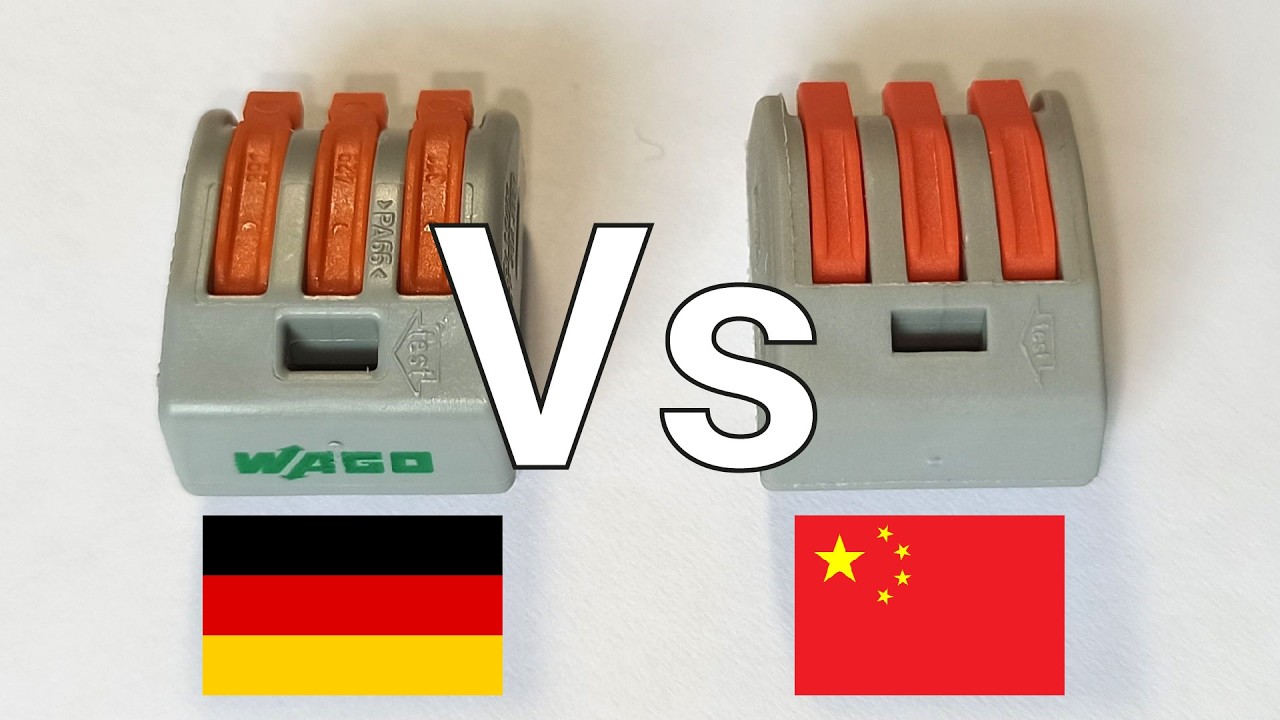
My new favourite channel!
It’s done! Took longer since I needed some safety equipment for the gunpowder powered nail gun but hey, I can run my homelab and print garden again.
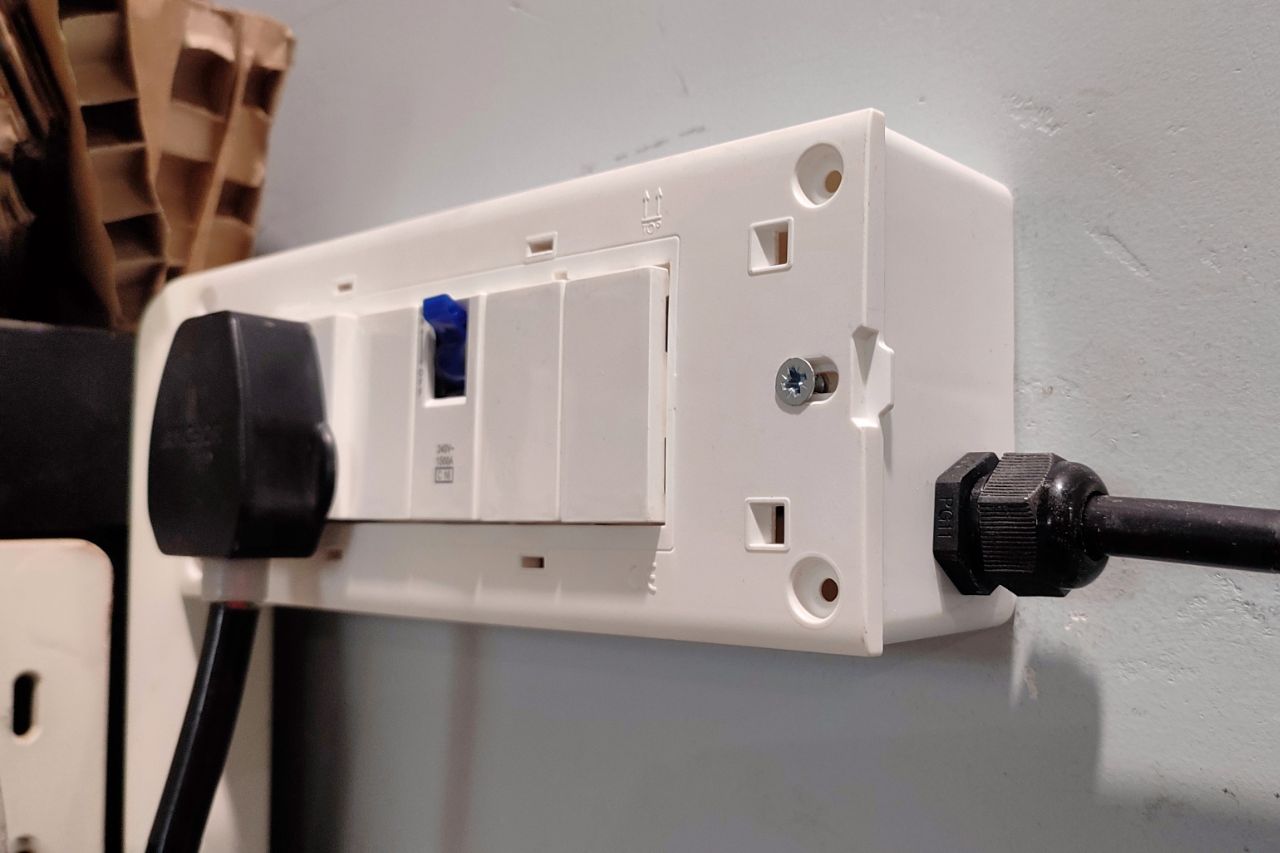
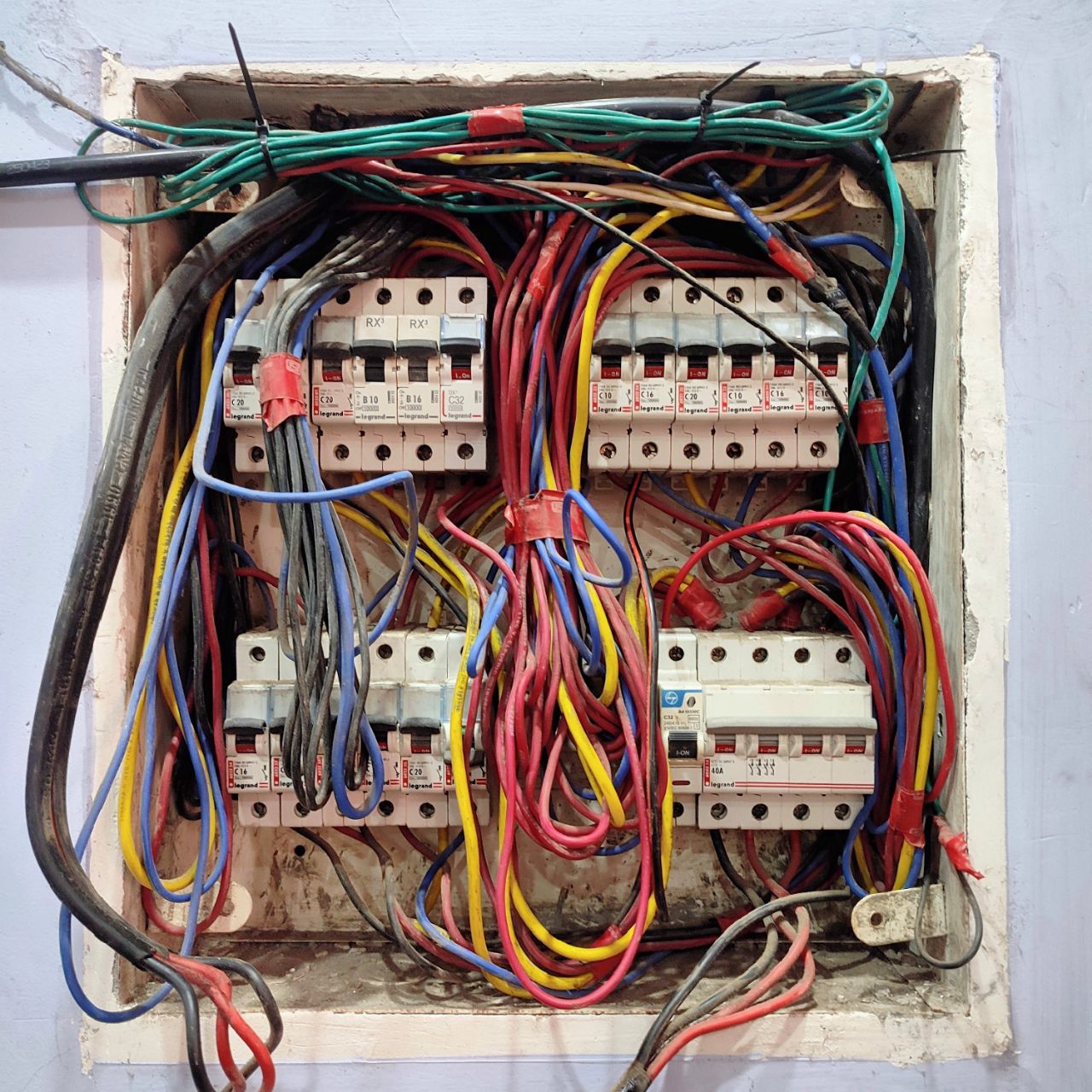
Started with a 6M box with budget switchgear from Legrand:
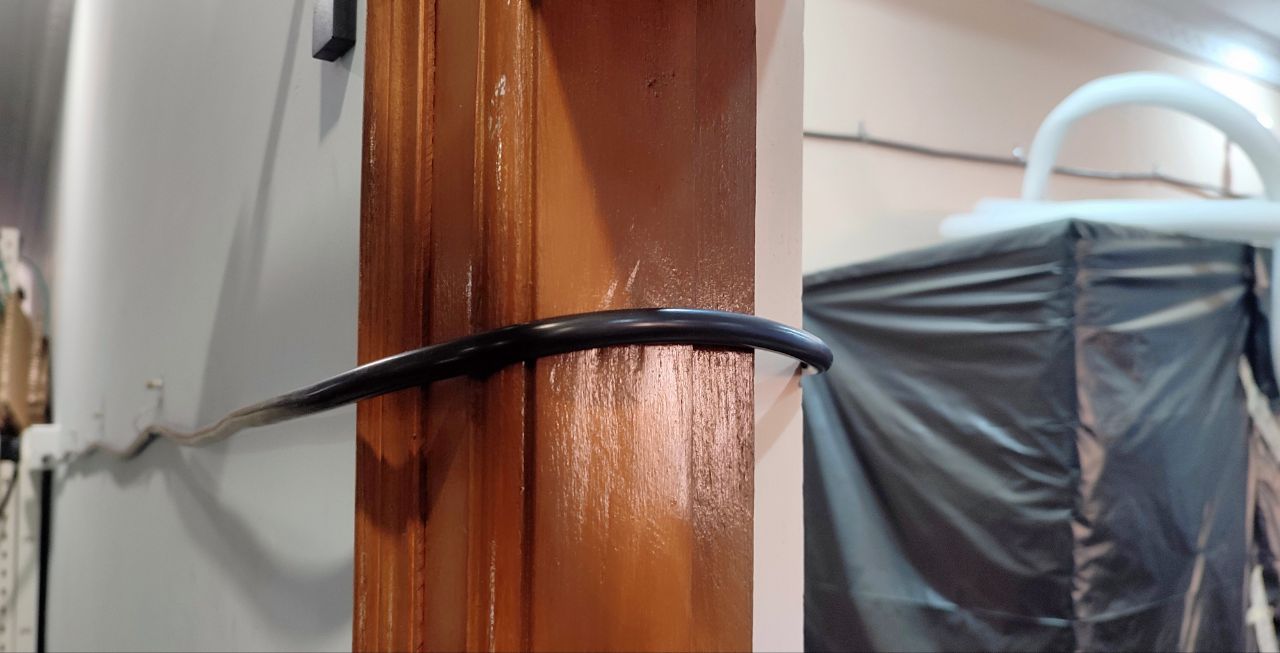
The 3-core 4 sq mm cable wraps around the walls towards the distribution box:
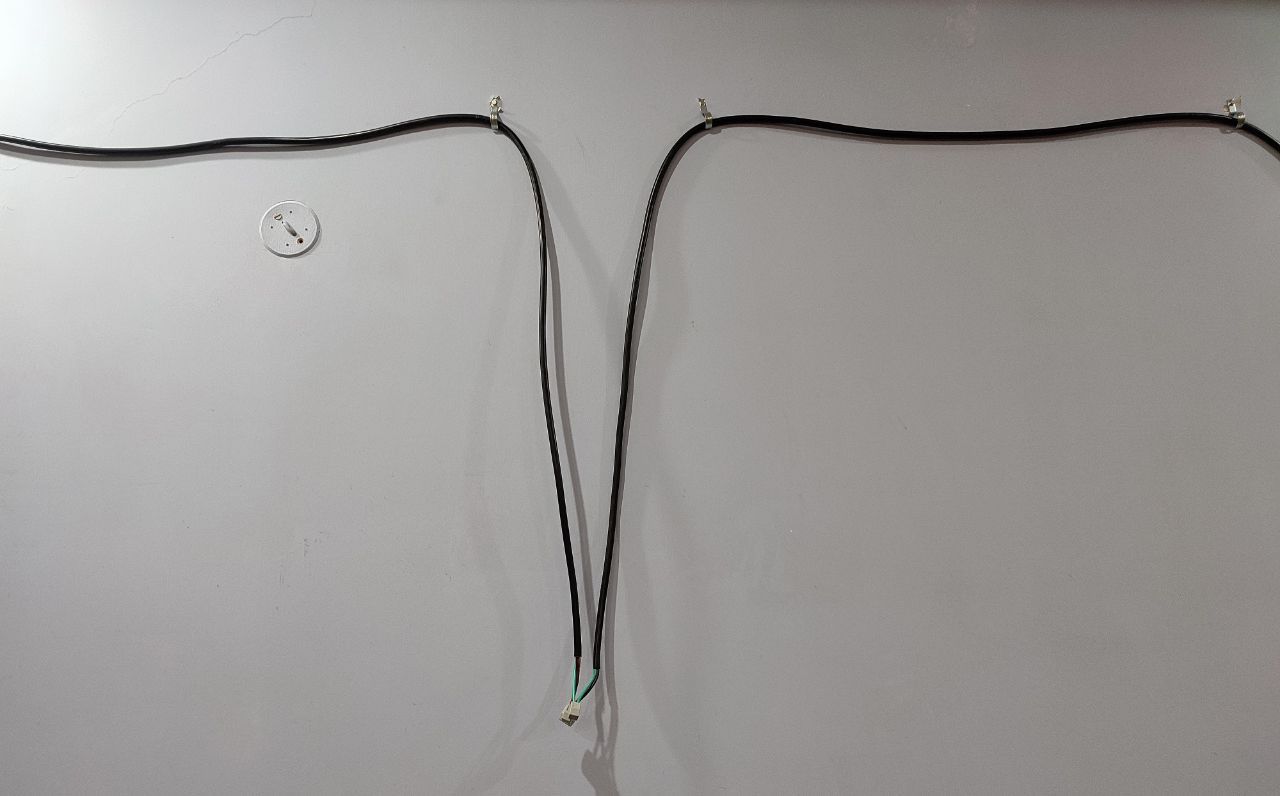
Of course the wire was short so I added an unsightly test loop:
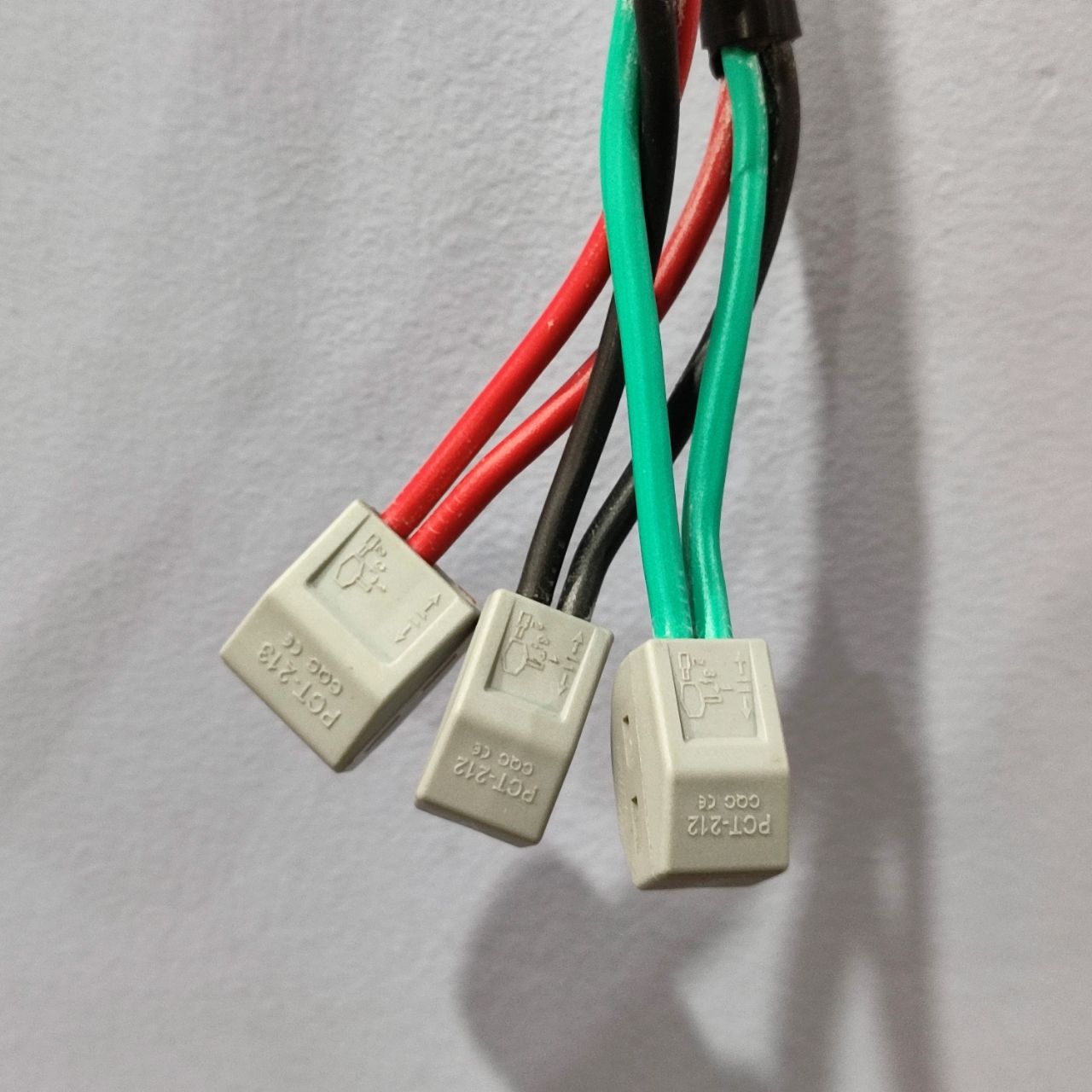
This was a tip I picked up from the electrics/electricians YouTube community, have a three way connector for live so that you can quickly poke a tester inside for troubleshooting:
All the way into the low effort distribution box:
This is temporary, probably for about three months or so until I’m able to get a dedicated electrical connection for my homelab and print garden.
Loads shouldn’t cross more than 3kW for now since I’m not running everything at full power.
Everything professionals, nothing myself. What is the best way to get into this? My father was a very independent man in this regard
My first memory of this hobby was watching an electrician work. I was 7 years old.
That man showed me how to connect a bulb to a AA battery to make a flashlight, it was my first circuit and it blew my mind.
Richer families than ours had encyclopedias at home, I didn’t even have access to a public library. The only source of knowledge was speaking to someone, this was the 1980s.
That man is probably the reason why I have all these hobbies/interests and why I learned all that I could.
I hope he had a good life.
Can you tell me what type of lugs you are using with MCBs?
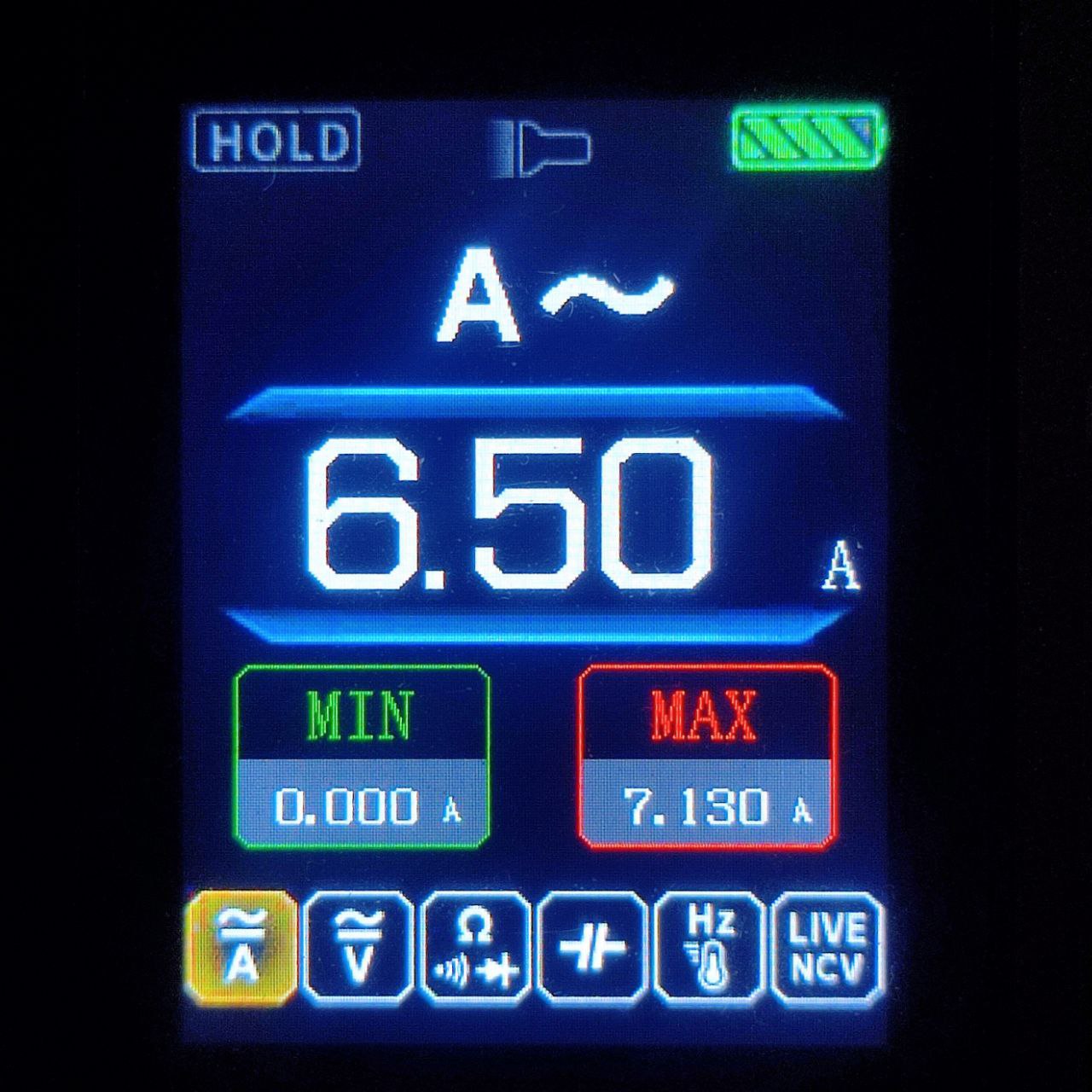
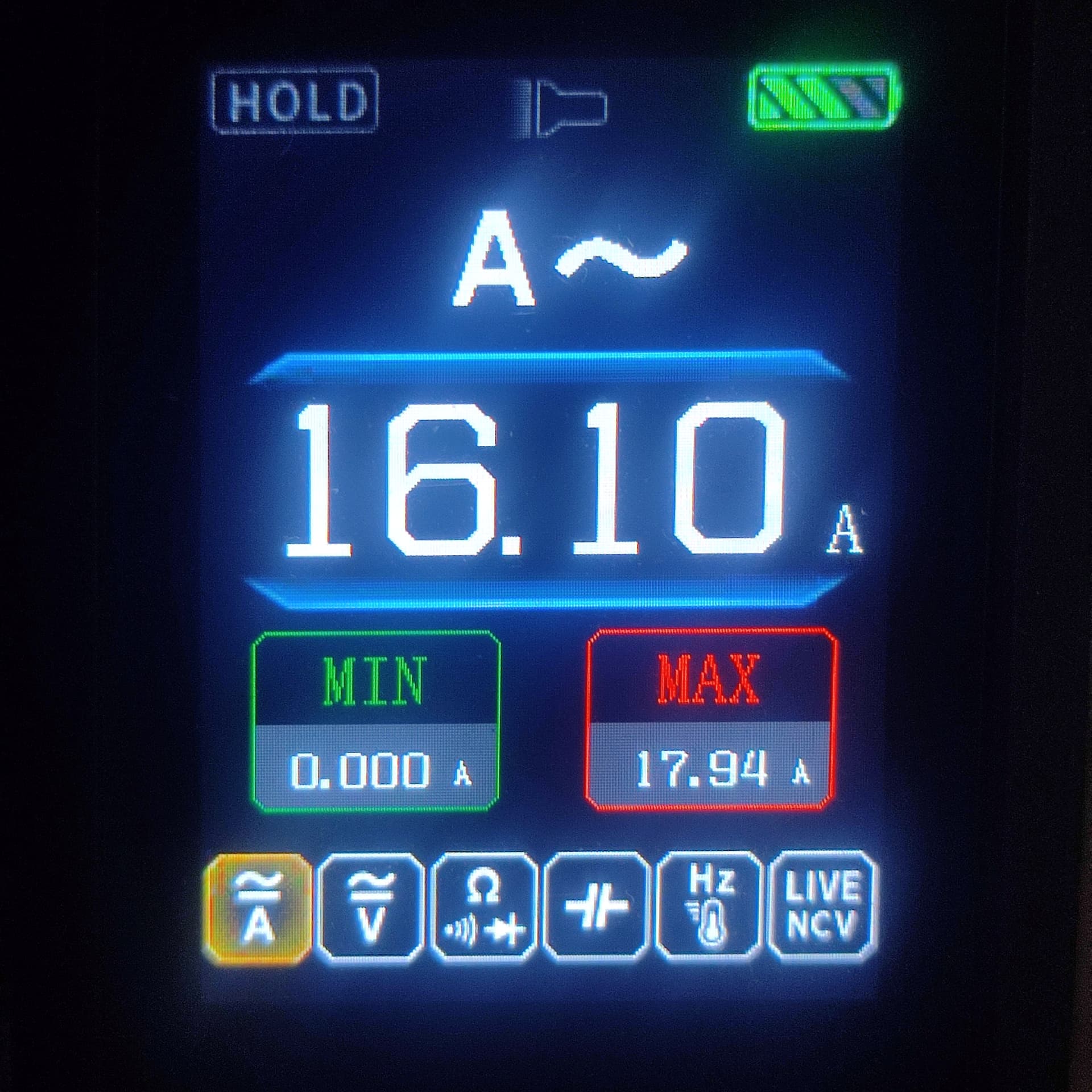
We’ve had 140v for a few hours now and this is the current draw for a 1kW load:
Power goes into a 5kW stabilizer so it’s able to handle the low voltage but it’s still dangerous. Imagine if I was pulling 3kW or 5kW, wires will end up melting again!
The electricity board workers are off today, so no fix until tomorrow.
I think I need to get a phase selector switch installed now.
This is a very interesting question and I often contemplate on this when something breaks.
I probably don’t have much to add that’s not already been said in this thread already but anyways
There is a “gamble” I come across, to choose between two options:
Some short examples,
These are the lugs. They are made of copper and very strong. I took pics of mcb, but my whole house is wired with lugs even for the switch boxes. Opening switch box to take pics is tiring.
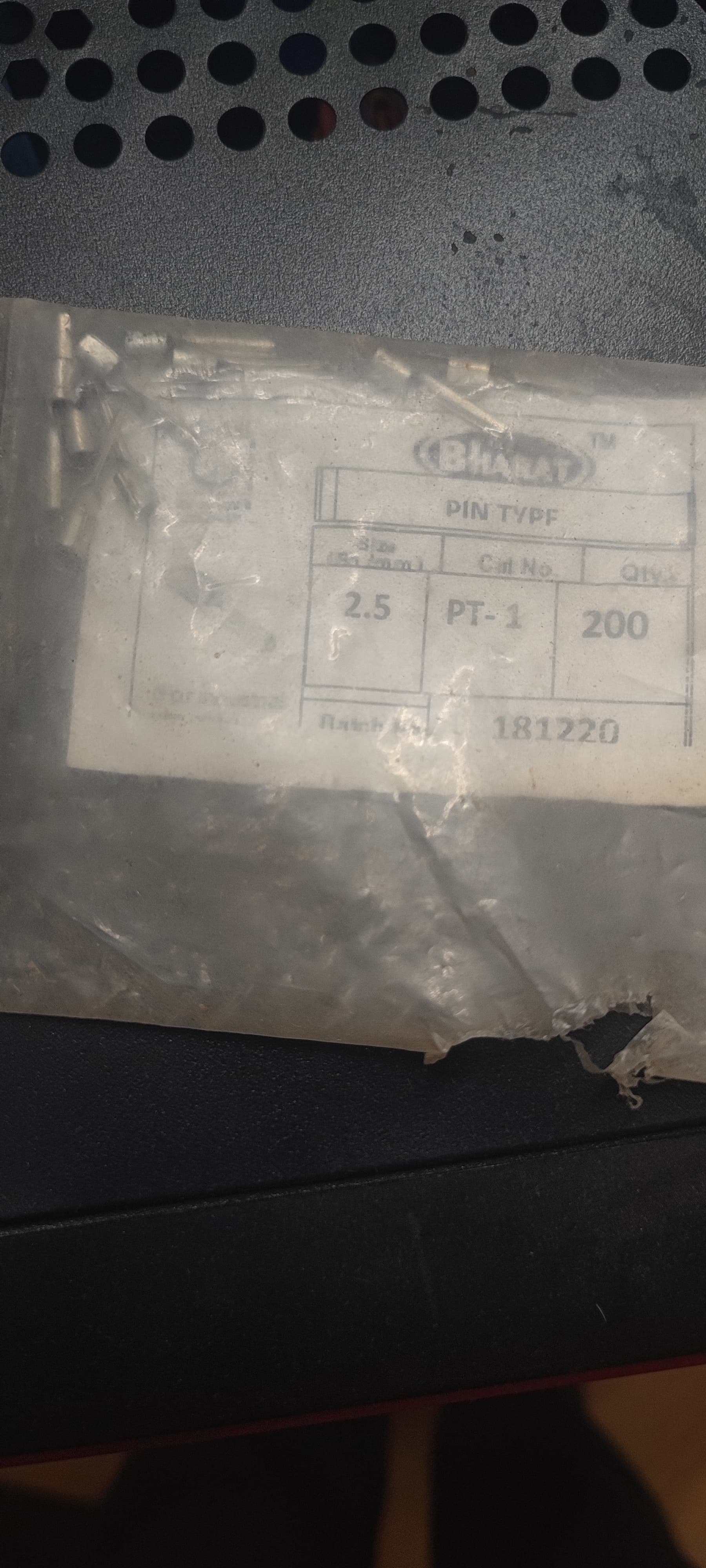
This is the pack . Cheaper than ferrule , lot more work , but much much stronger .
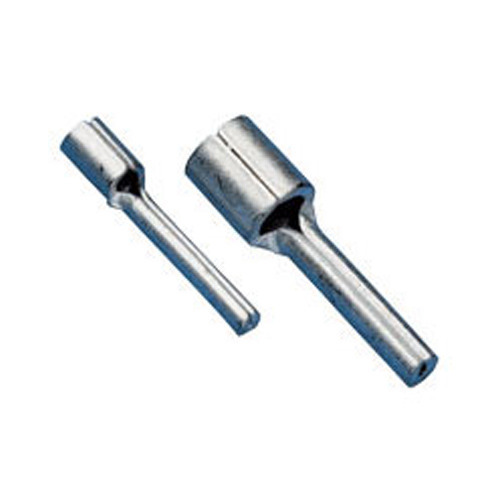
If I’m not wrong, these are called shoelace-type or pin type lugs. An electrician has used the same ones in my MCB. I wasn’t home when that work was done.
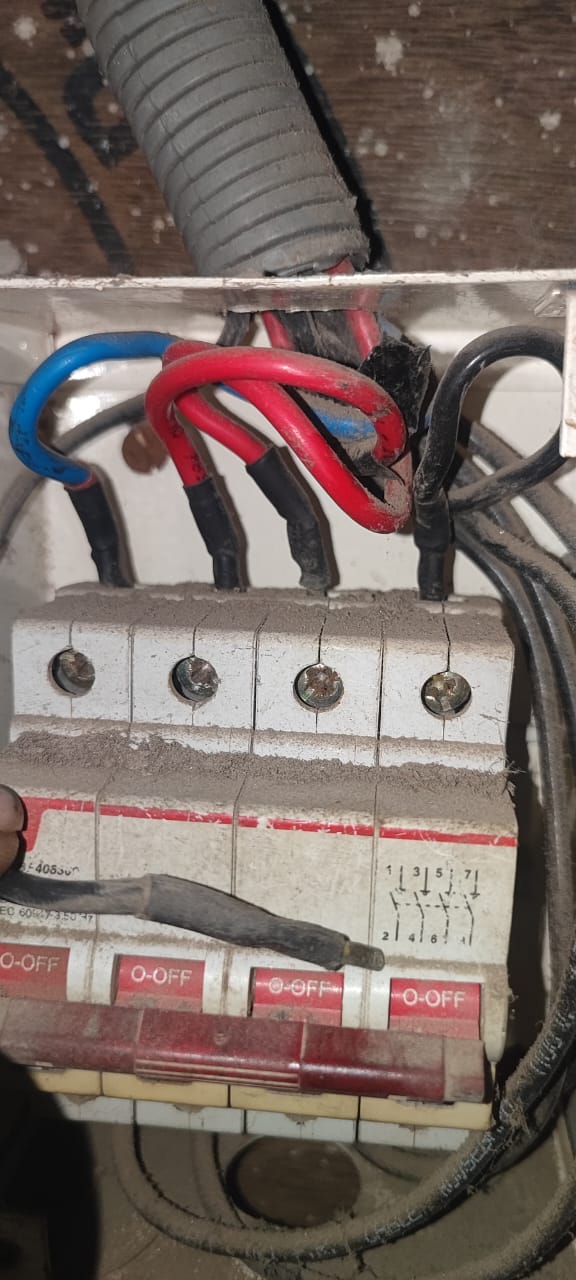
I wasn’t sure if they make a good contact in MCB. I searched over the internet but couldn’t find reliable info on what type of lug I should be using. I fired up an email to L&T asking for their preference.
Instead of just replying with a simple answer, the bastards had to resort to asking unnecessary details.
So I thought I’d play the ball.
I haven’t heard back from them yet.
I raised the same doubt with AI.
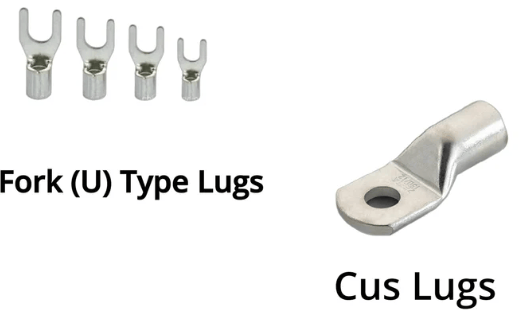
It said my concern was correct. It suggested that I should use fork type or cus type in MCB as they can form a better contact.
Fork U type lugs are typically used for terminals in AC , Motors etc . Cus Lugs are used for bolting at bus bars .
The lugs I used are called pin type lugs . They are meant for copper wires only since the lugs are made from copper .
There are aluminium lugs .. bullet lugs for aluminium wire .
The minimum lug size I would recommend would be 2.5sq for switches and sockets . For MCB minimum size is 6 . The length of the pin for 1 sqmm is too short . I would also suggest a lead heating pot so that you can either crimp or use pliers to grip the wire in the lug and then dip it in solder so that the copper does not corrode due to air . The solder gives a coating on the copper like tinned wire .
May be because most of the work is done on industrial wiring than home wiring . My point is instead of 6 sq.mm wire , I use 4 sq.mm and save quite a good deal of money .
my father’s the handyman/electrician, I just do minor repairs, swapping out plugs, switches and all the IT stuff in our home, and other basic stuff like cleaning up gunked up taps etc. I should really get around to learn what my father does because I swear he saves up lacs in emergency repairs every year and the high BP from all the nakhras that all the workers have.
I don’t know but in electronics job as long as I don’t have to climb ladder i do it myself (some you say way i don’t climb ladder because I have weight of 144kg and broken 2 ladder and one right leg after that no one let me go near ladder
To be honest I have zero knowledge. I really want to try, but to scared. Always called the professional.
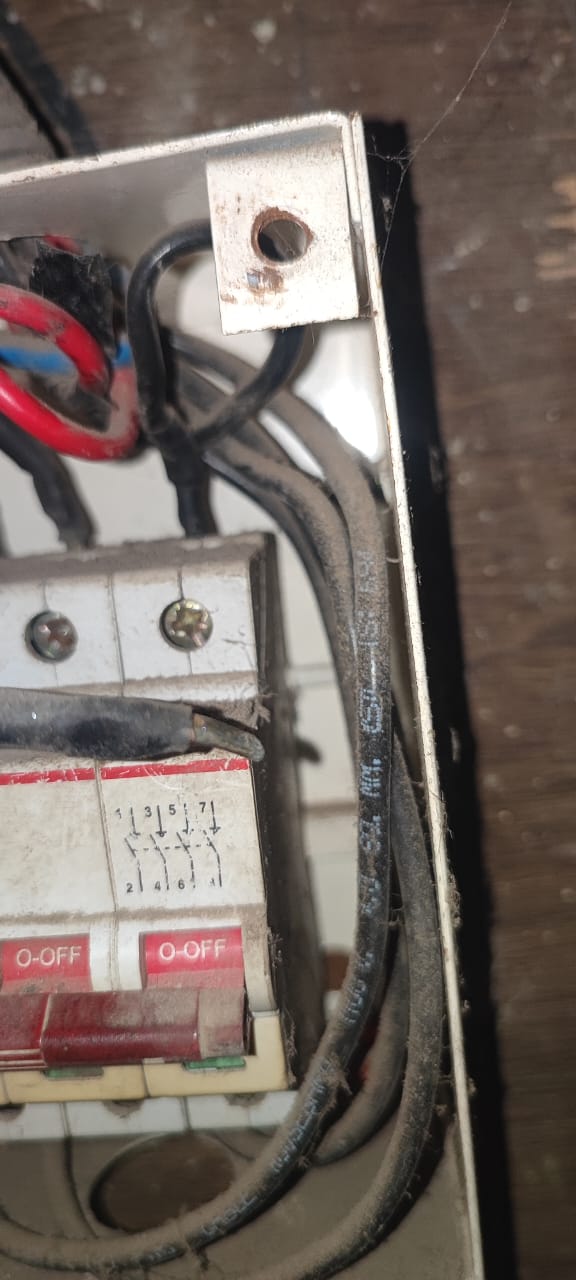
I must say that I’m still not convinced that pin/shoelace-type lugs can establish better contact than the bare wire itself.
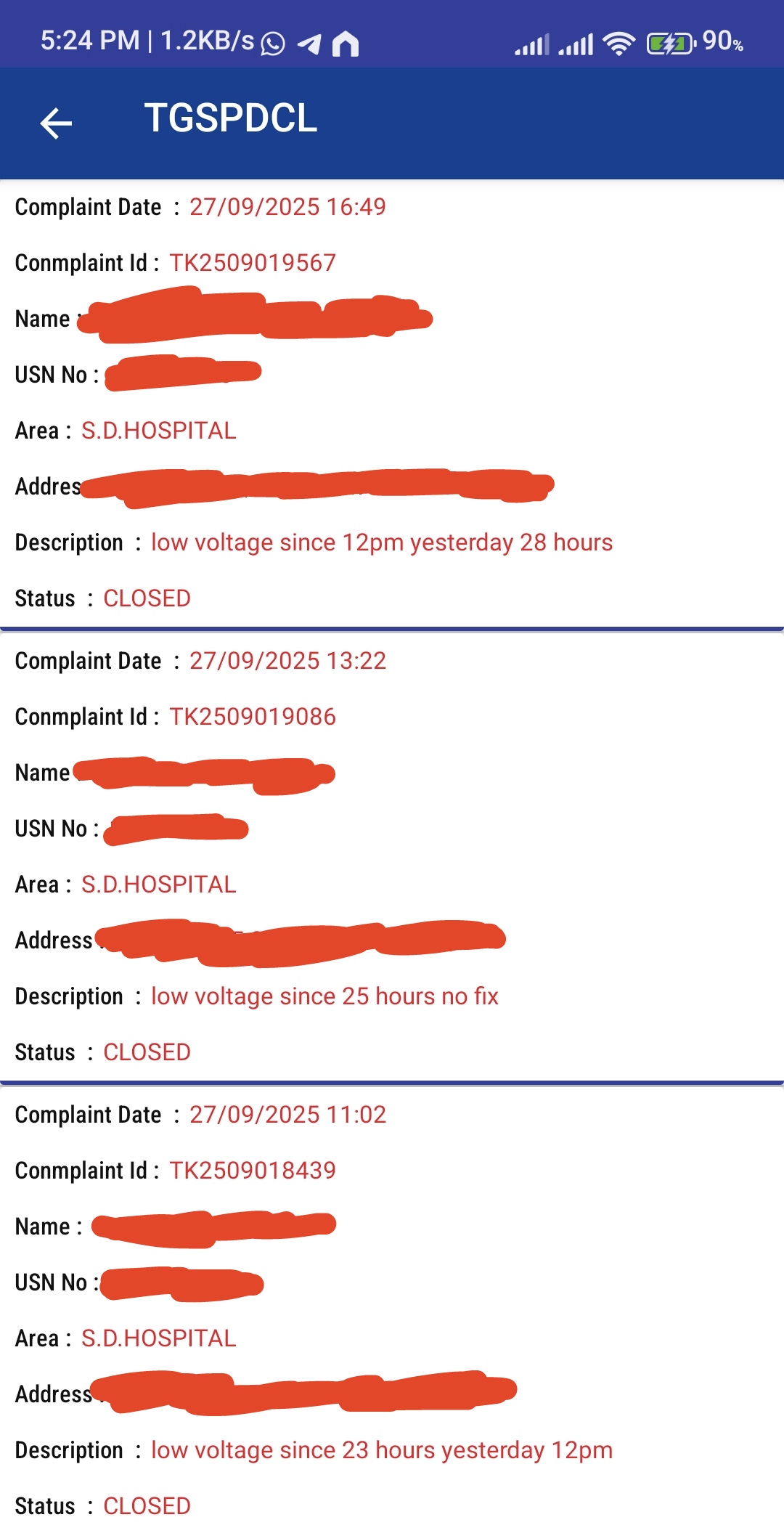
The electricity department has ignored all my complaints about low voltage, I think they’re trying to appease whoever took a makeshift connection for whatever festival is happening. All my tickets get closed without anything being done:
That’s just a 2kW load. In other parts of the house, we already have burned/melted sockets with the fridge and microwave.
I need to find an (IAS?) officer and make a formal complaint on Monday.
I webt inside one of these by accident, and set myself a budget of 1000, but ended up spending twice that much.
It’s basically a china bazaar or 99 type store but with better quality items. I like it, prices are so low that everything is an impulse buy.
Not very DIY oriented though, unless if you count life as DIY.