Microsoft updates the list of Windows 11 supported processors, makes it very confusing
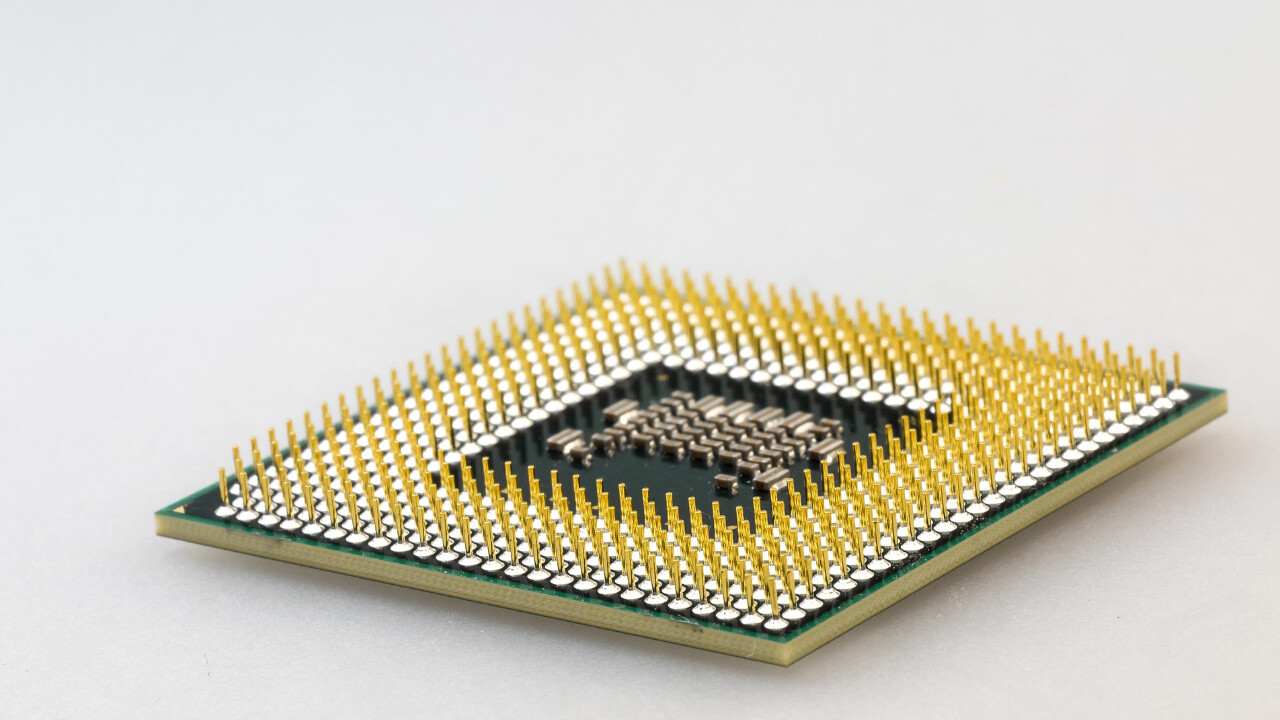
Microsoft’s official documentation has a list of supported processors by Windows 11, which allows users to see what chips can run the operating system without resorting to tweaks and hacks that bypass system requirements. Every now and then, Microsoft updates its docs to add newer chips or remove existing ones (if necessary). The latest update, however, make things a little confusing.
The updated support document no longer lists each supported Intel processor, like Core i7-8700K or Core i9-9900K. Instead, it offers a list of supportd series with links to the Intel Arc website. For example, Intel Core i7 (14th generation) or Intel Core 7000X Series. The problem with this approach is that it leaves out certain supported processors and makes chips that cannot officially run Windows 11 appear to be supported.
Here is an example: the Intel Core i7-7820HQ, which powers the Surface Studio 2, is the only officially supported by Windows 11 Kaby Lake processor. It is no longer in the list of supported chips, even though the Surface Studio 2 fully supports Windows 11. Also, the document states that the Intel Celeron 3000 Series is officially supported, even though the lineup has chips dating all the way back to 2015. In reality, out of 10 Celeron 3000 chips, only one officially supports Windows 11—the Celeron 3867U.
Only the list of Intel processors has received this odd revamp so far. AMD and Qualcomm docs still name each supported chip, even though it has been quite a while since Microsoft updated those lists. The Snapdragon X Elite series is nowhere to be found, just like AMD’s 9th-generation Ryzen processors, the latest Threadripper chips, etc. To this, Microsoft has the following to say:
Subsequently released and future generations of processors which meet the same principles will be considered as supported, even if not explicitly listed. It is expected that the processor list will not reflect the most current offerings from processor manufacturers between updates. Updates to the processor lists will occur at each subsequent general availability of Windows.
Therefore, not having the latest Ryzen processor in the list of supported CPUs is not a big issue (you would assume that the newest processor can run Windows 11 without issues), but the newly updated list of Intel processors can certain confuse less experienced users with older hardware and the now-unsupported Windows 10.
If you are curious to take a look, head to [this page](Windows processor requirements Windows 11 supported Qualcomm processors | Microsoft Learn) to see the list of supported Intel processors. The one for AMD is available [here](Windows processor requirements Windows 11 supported AMD processors | Microsoft Learn), and one for Qualcomm [here](Windows processor requirements Windows 11 supported Qualcomm processors | Microsoft Learn).