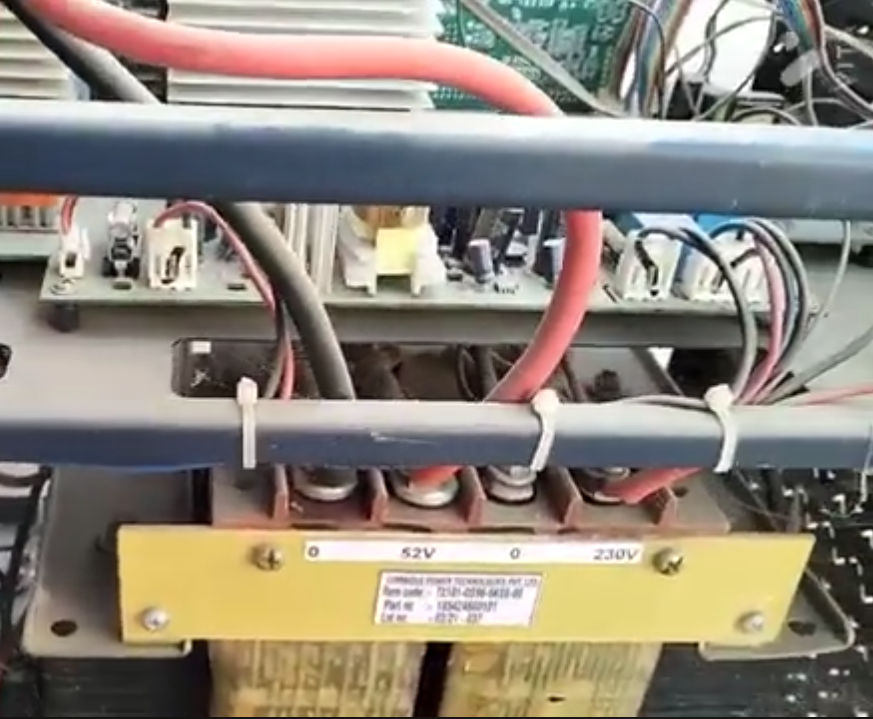
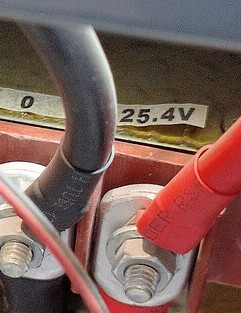
That’s why I say it’s strange, they have a step-up converter for charging the batteries and a step-down converter for the inverter circuit
There’s only four wires (of significance) to/from the transformer, two for 0-230v and two for 0-25.4v, it’s not a 25-0-25 winding.
The 13.85v winding appears to be feedback, it’s not powering anything, I couldn’t measure any current flow.
I measured the voltages, and you can see in the photo, there’s no other connections, they just designed the inverter in this weird way. As if they just modified a 24v model.
What’s even stranger is that this inverter will power on with just two batteries! It doesn’t need the full 48V.
They must have some kind of voltage doubler for the inverter and a boost converter for the charger.
I’ll reply back with a photo later today
..
Consolidating some information:
From u/Snoo_24051 on reddit:
Luminous iCruze models are basic, transformer based, no nonsense machines. Think of it like an old Nokia Symbian phone simple but rock solid.
Optimus is like a modern smartphone software driven, less transformer dependency, more digital features like smart load sensing and multi stage charging , they also provide a cleaner output.
But here’s the problem: that software logic adds transfer time. The Optimus series has around 20ms transfer time, while the older iCruze models are under 10ms. For PC users, this is the critical issue. Anything beyond 16ms(in ideal world) IRL its 10ms and your PC reboots during a power cut. AS icruse models are no longer available as of now and they are discontinued by luminus its out of the list
That mirrors my experiences with the Luminous Optimus that i got as a temporary replacement since I had two good batteries and didn’t want to buy anymore lead acid batteries.
What I had originally is the Luminous Cruze, the predecessor to the now-discontinued iCruze, which I believe was a facelift of the regular cruze model to match the styling of their single battery inverters.
Around that time Luminous got into the UPS market, so I believe they discontinued the fast-switchover Cruze/iCruze models in favour of their UPS line and “downgraded” their inverters to the Optimus line.
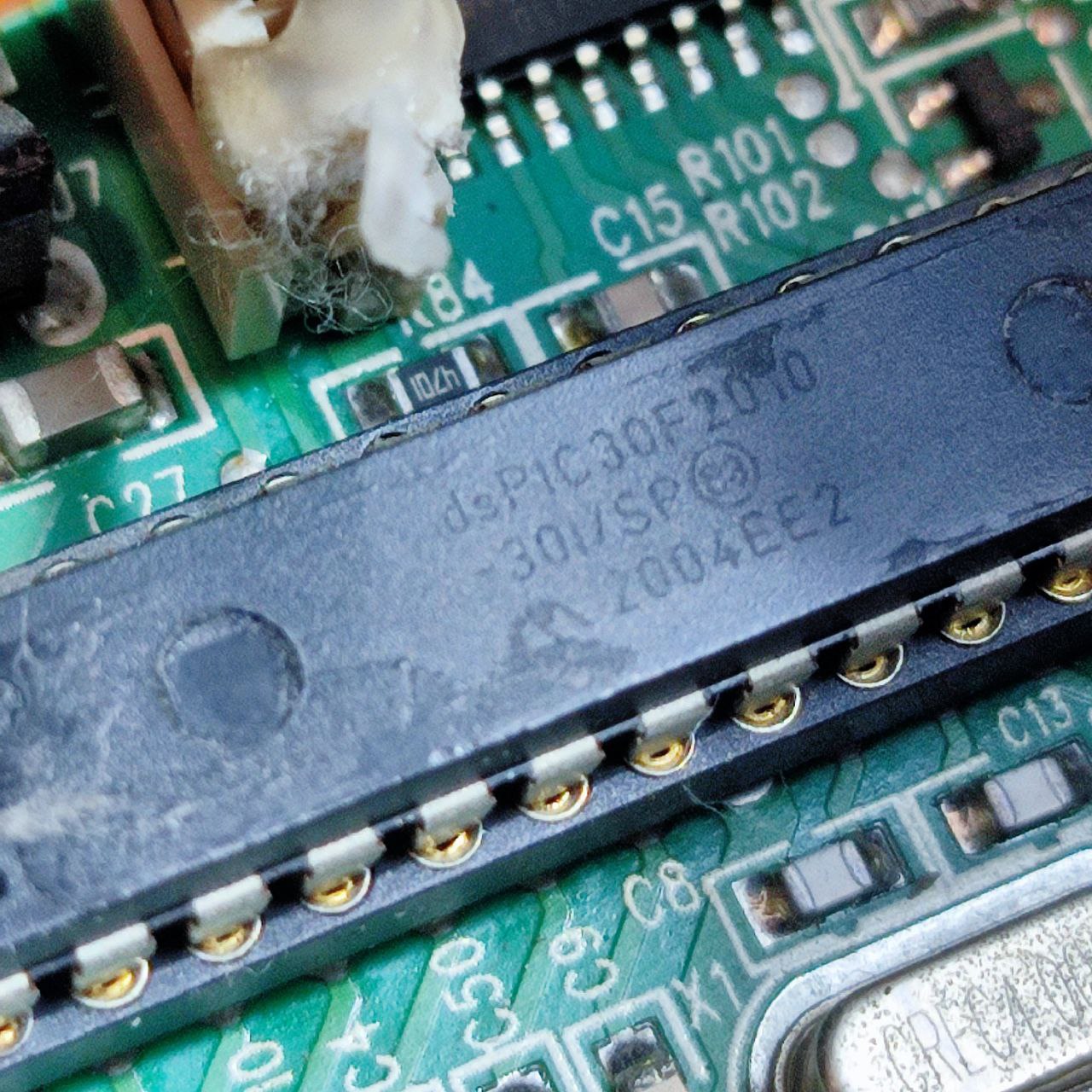
For me the problem is programming the IC . Rest all I am capable .
but , I see a lot of potential with the DSP IC and li-on cells . They could be a perfect match especially given the digital display output . May be even have a selector switch for various types of battery or a digital card interface for different batteries .
So two windings in parallel is just for high current capability, has nothing to do with voltage doubling or anything like that? So confusing, head hurts thinking about this.
It is a H class amplifier circuit bridged . The transformer is the speaker here . Since circuit is bridged . In a bridge circuit half the voltage is needed on each side to make it work .
I shouldn’t have purchased the Optimus and should’ve just bought two more used batteries at another 10k instead.
Those two used batteries that I got for 10k, I sold them for scrap yesterday for 6k, bringing the cost of ownership for two years down to just 4k, or Rs 170 per month.
I had bought the Optimus for 13k, and sold it yesterday for 4k, a loss of 9k, or Rs 500 a month. In the grand scheme of things, it did offset far more than that so it wasn’t a bad purchase, just not the best purchase.
The Optimus is a good home inverter, but not a very good solution for my needs. A 1kW load would often cause it to overload and cut off power completely. That’s what you want in a home inverter, but not for a homelab.
So I’m happy to have it gone and also to own two less lead acid batteries. The battery/inverter dealer did try to tempt me with a few used 200Ah Quanta batteries at 8500 each.
But I’m done with lead acid batteries, it’s time to move forward with putting everything on LiFePO4. It’s been a memorable twenty-five years or so with lead acid but no more. The future is now.
This is the reason why I said Lead acid batteries are cheap in the long run and total cost of ownership . Lead acid batteries you get more than half of the amount as scrap which needs to be considered in the TCO .