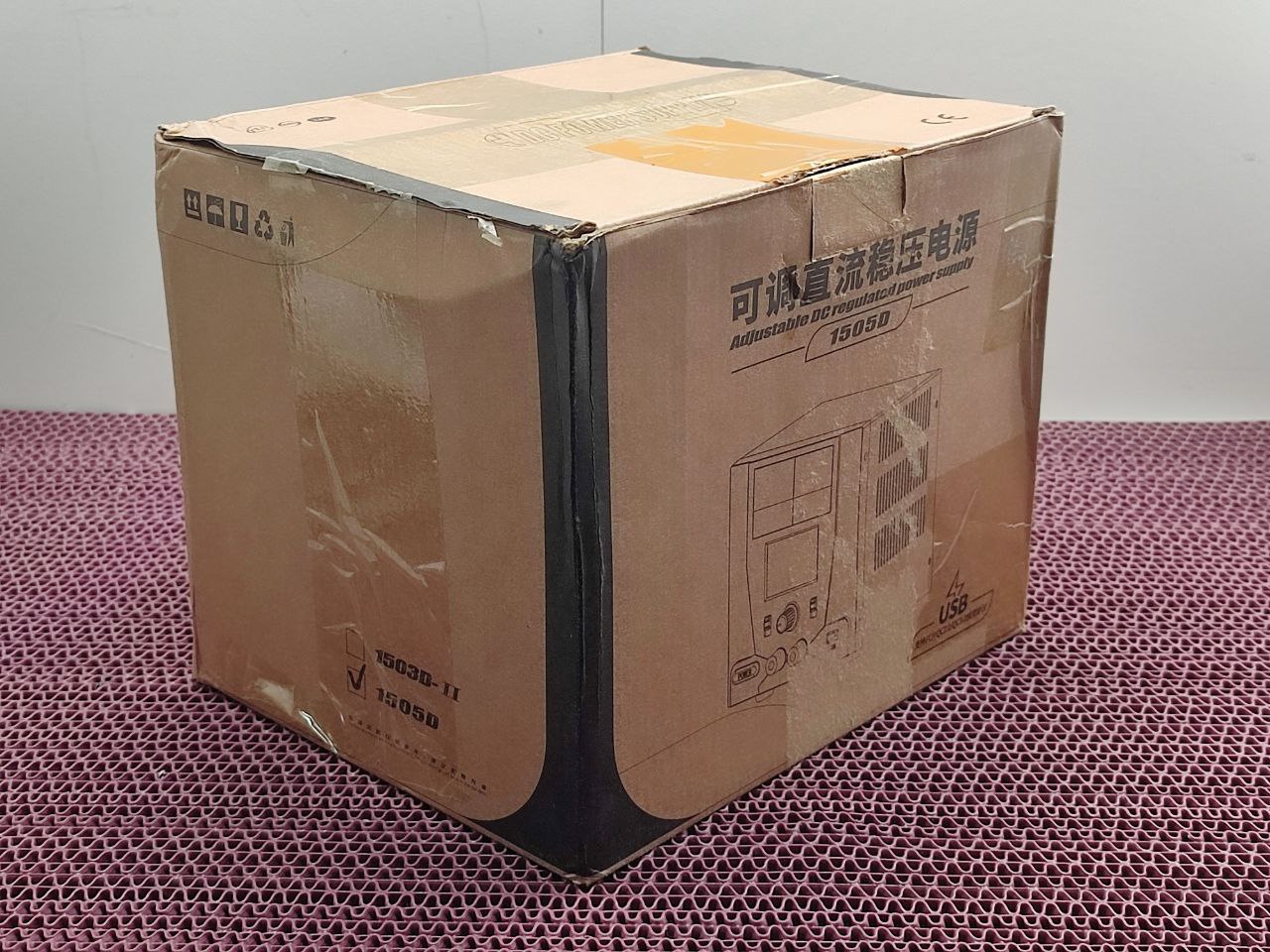
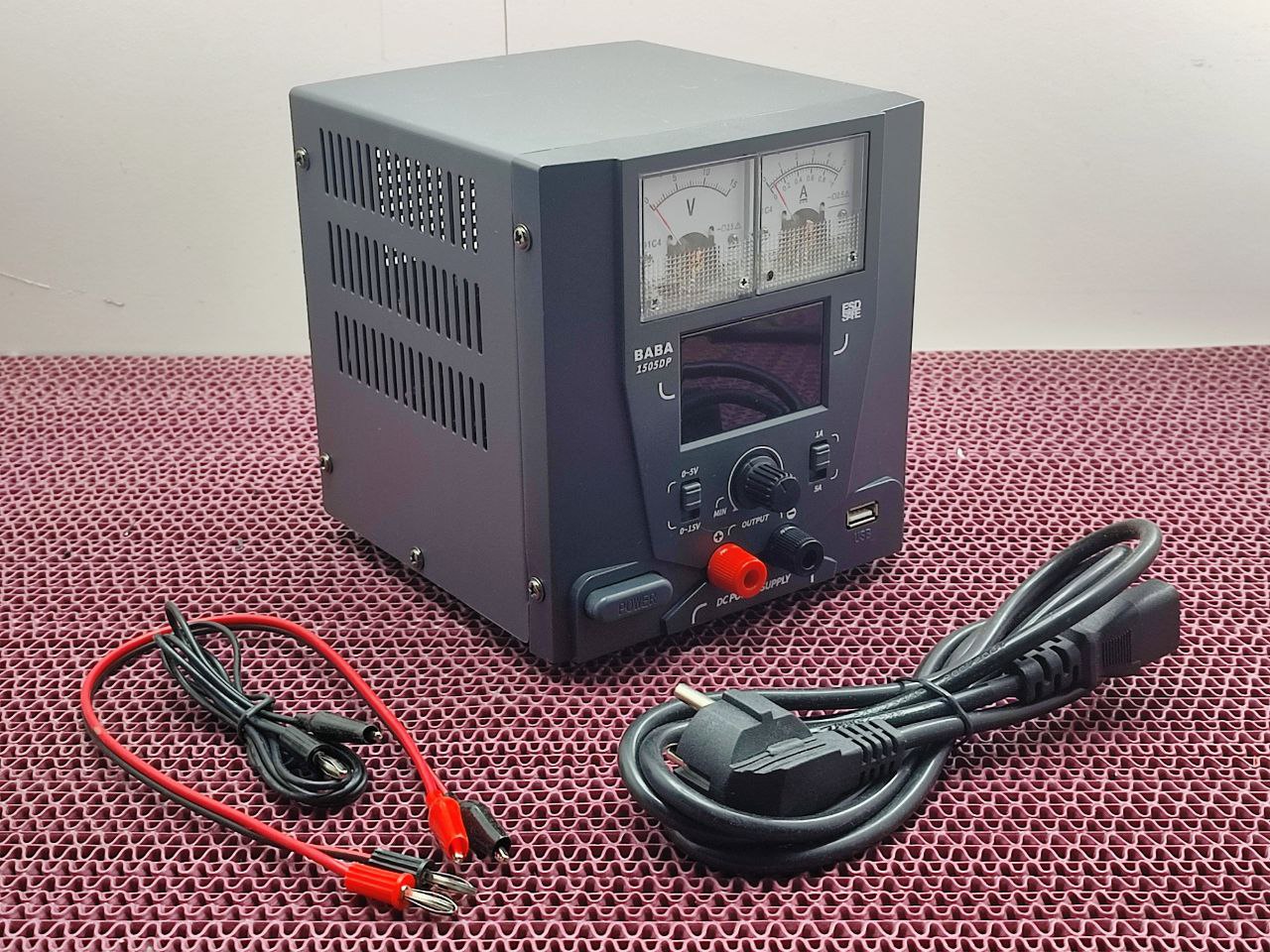
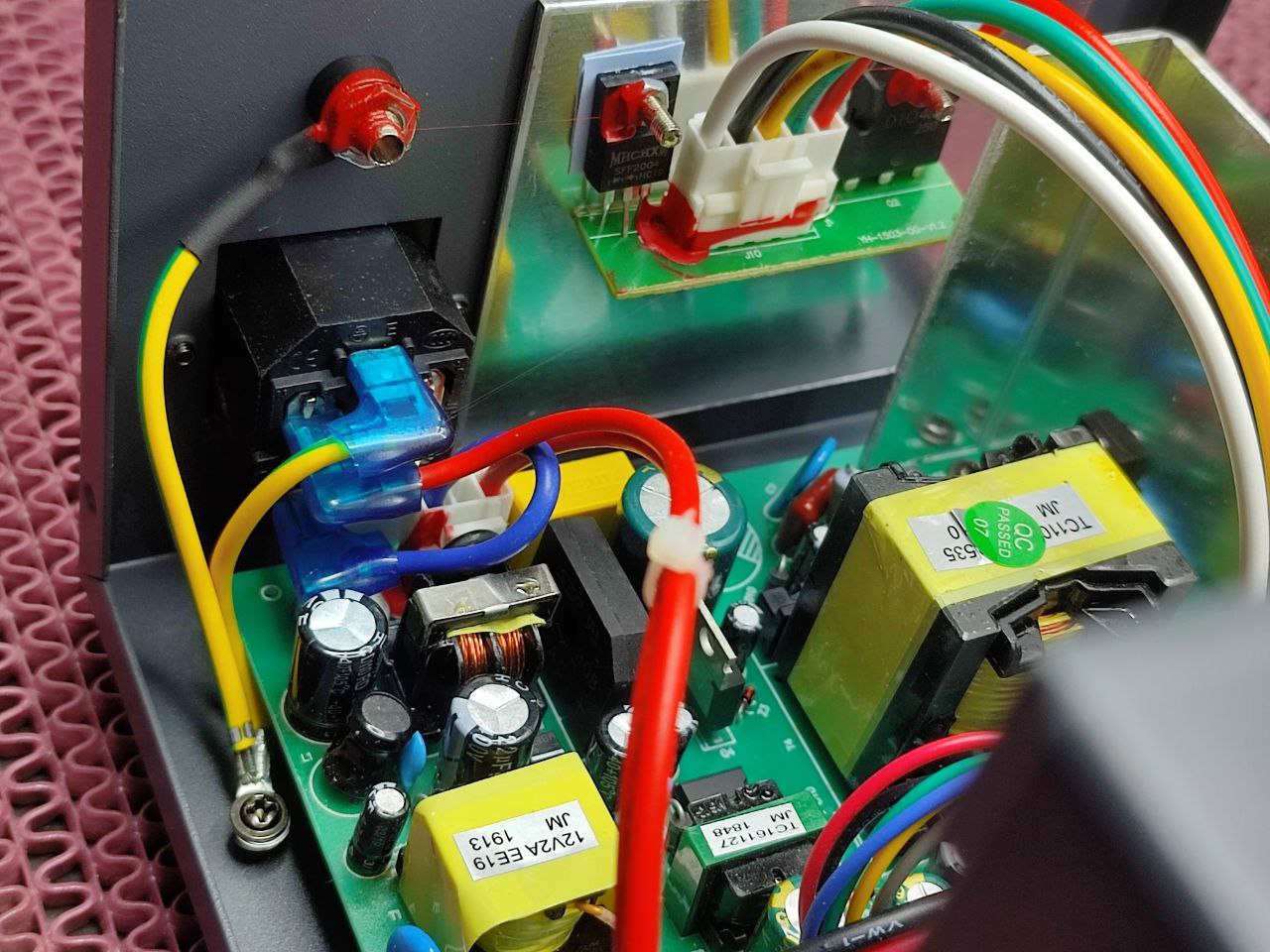
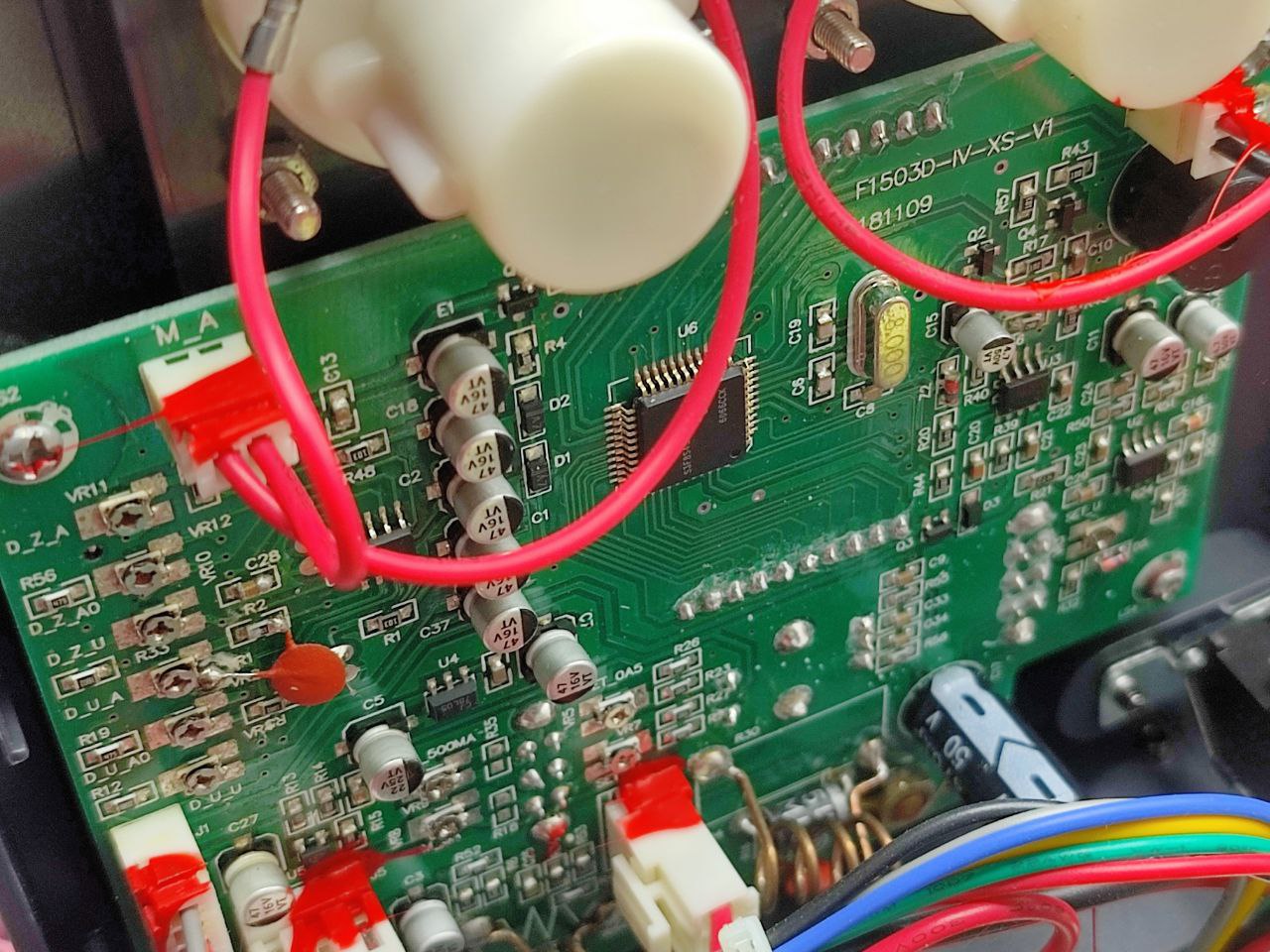
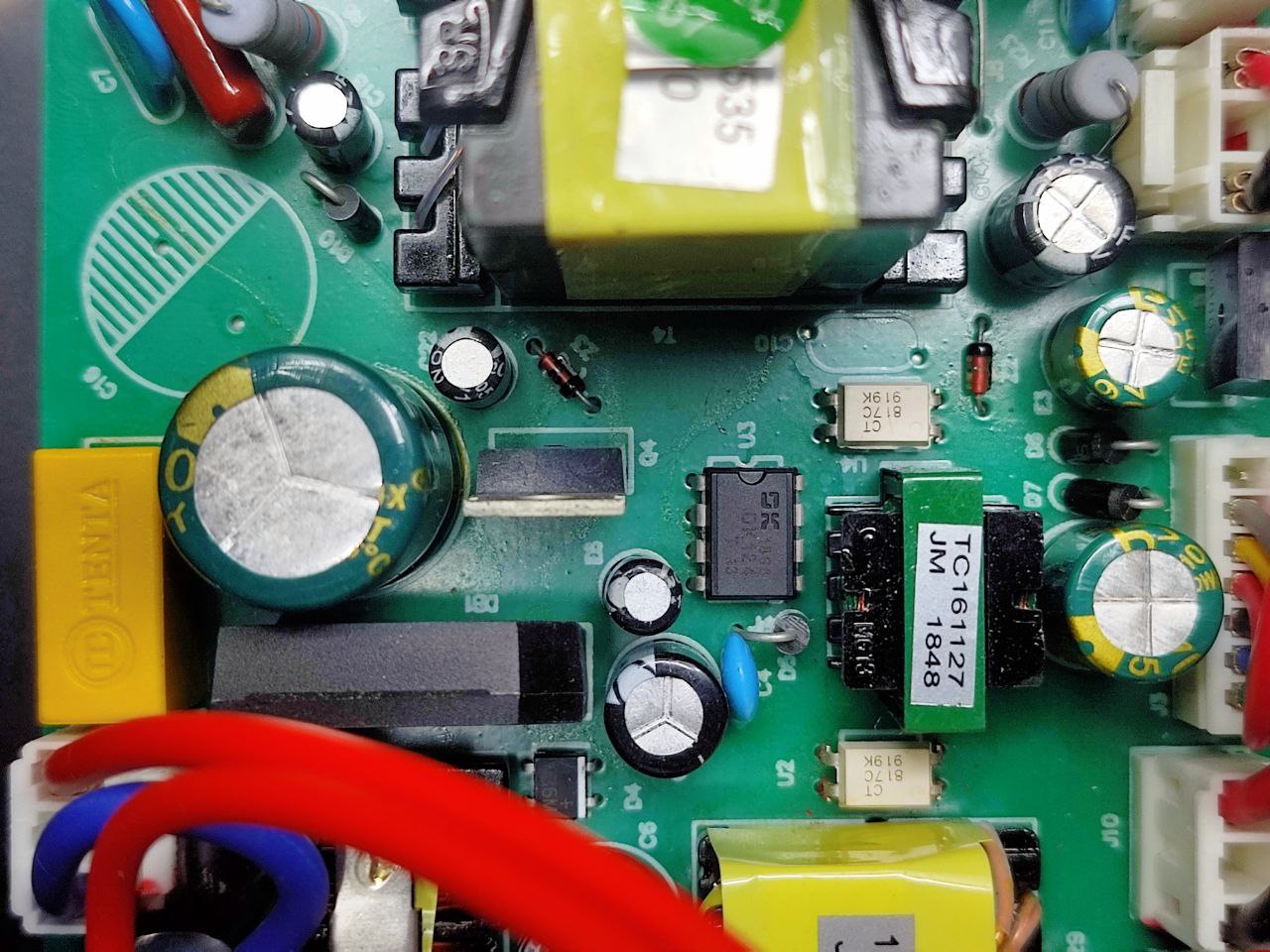
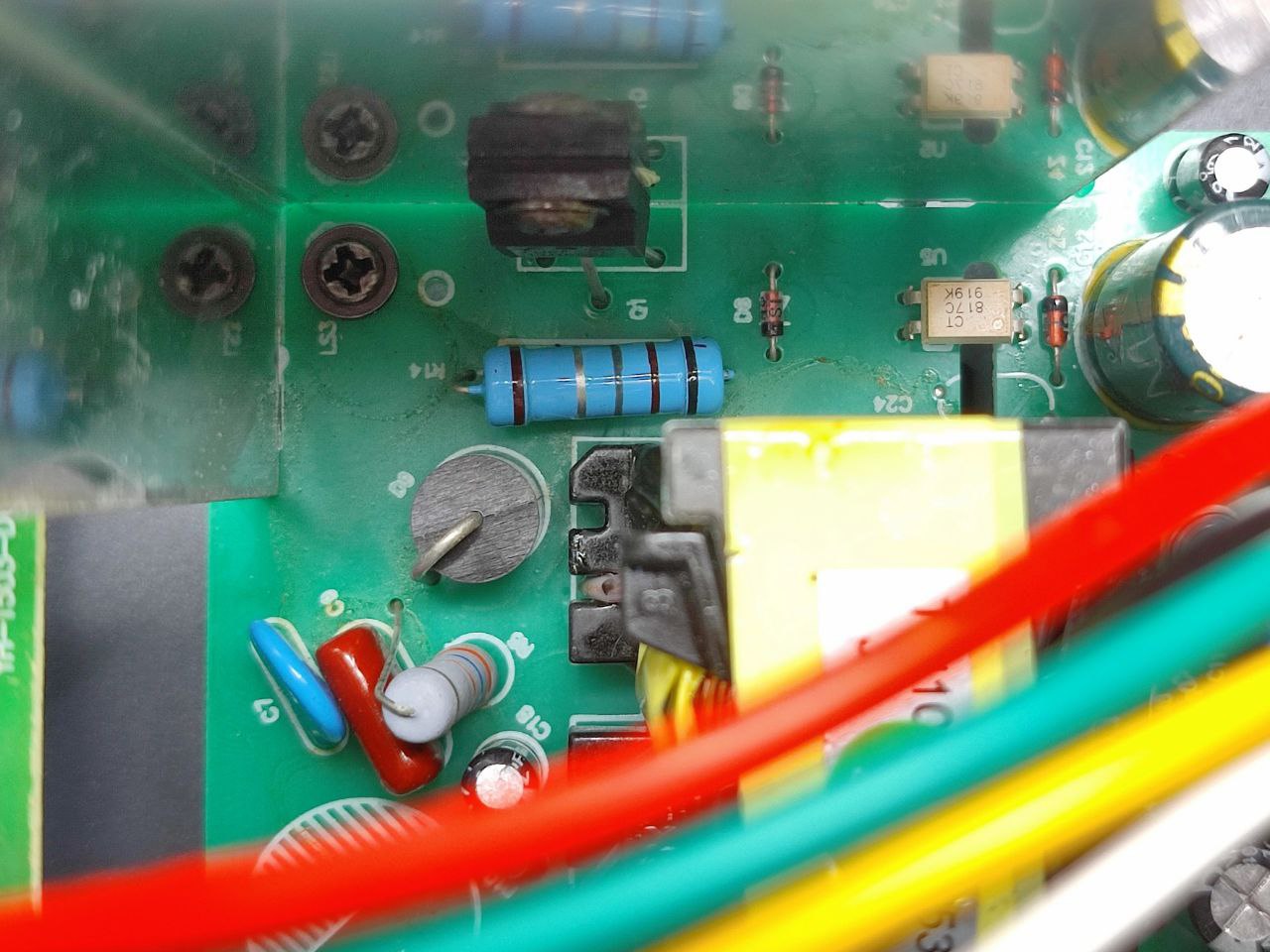
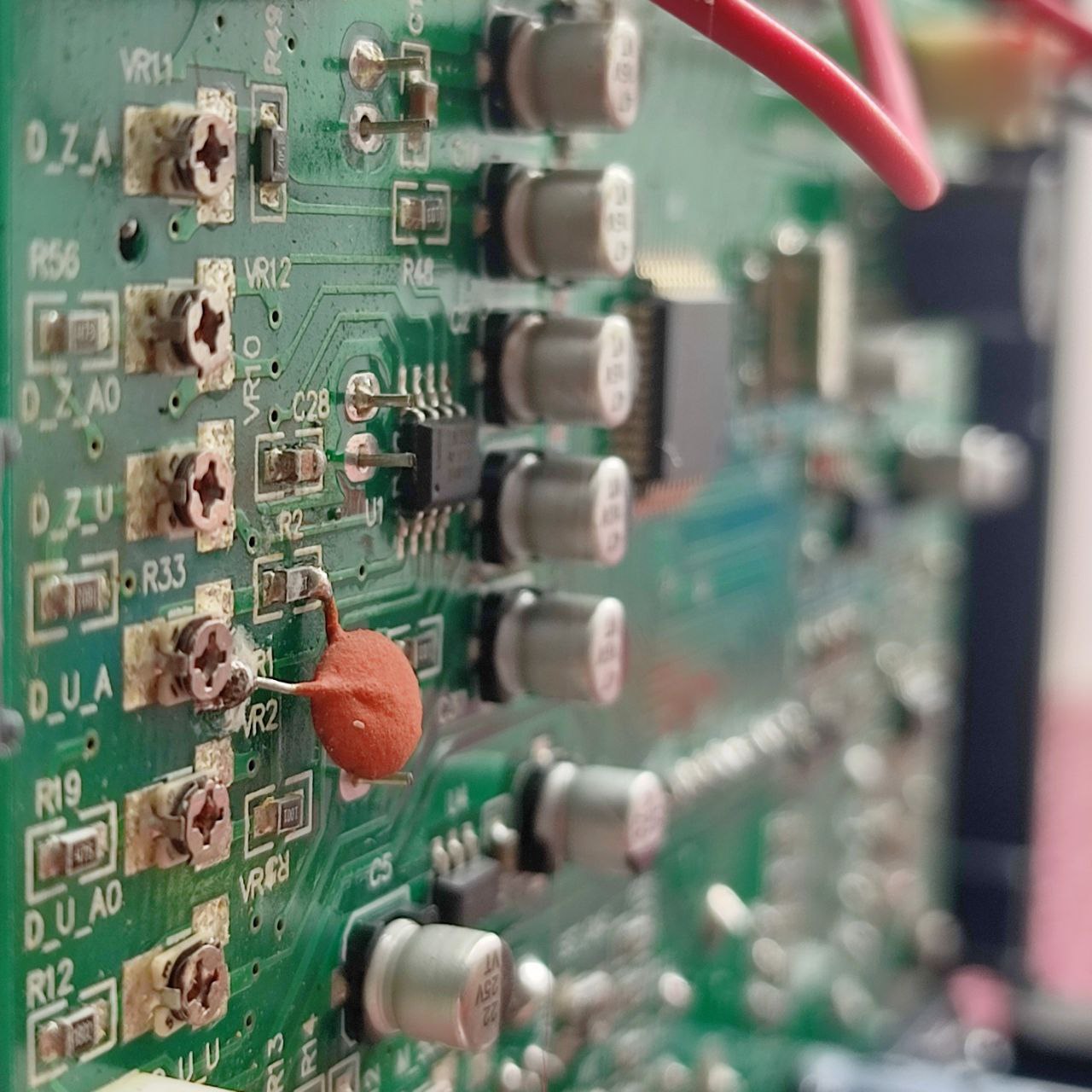
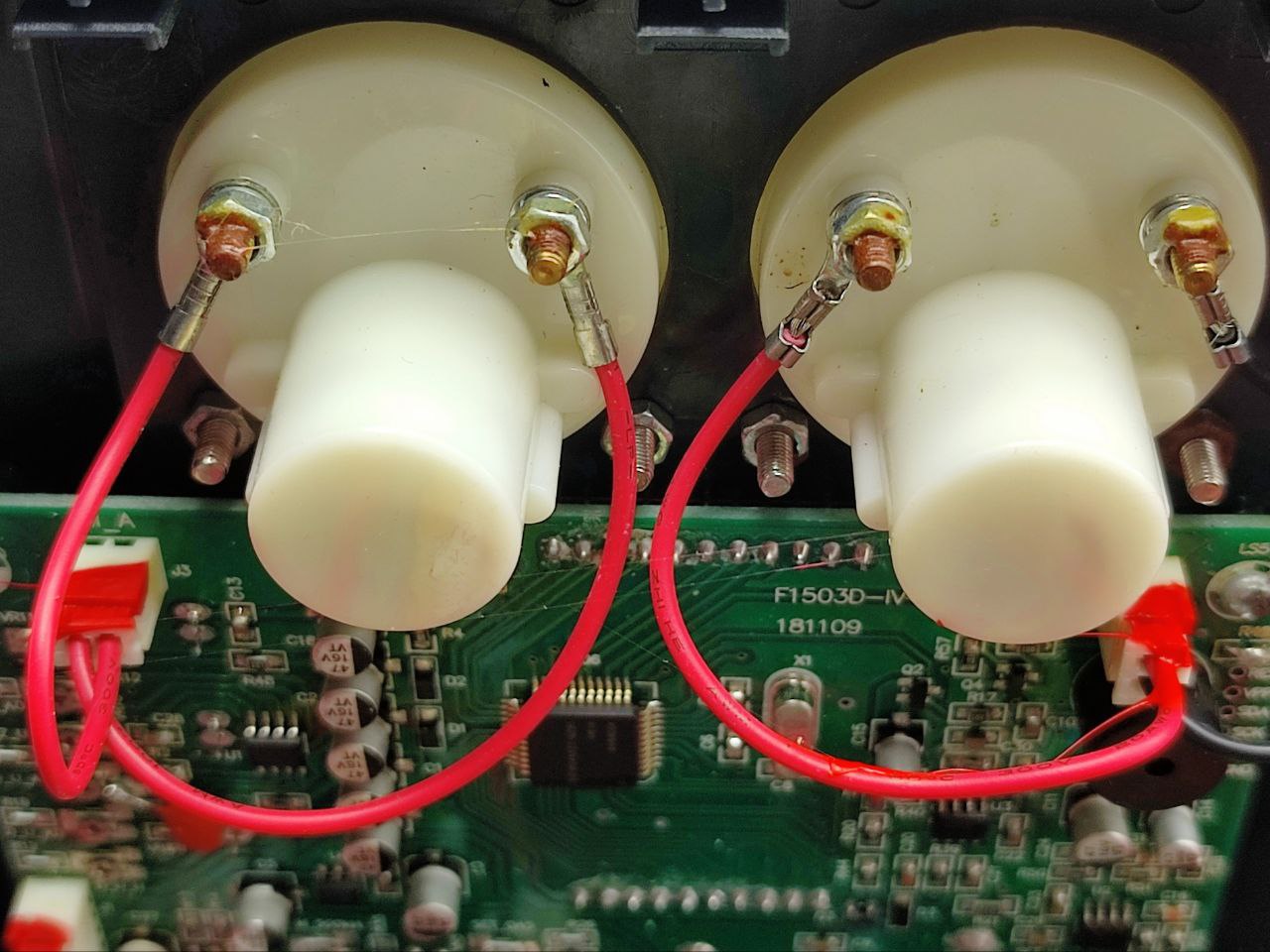
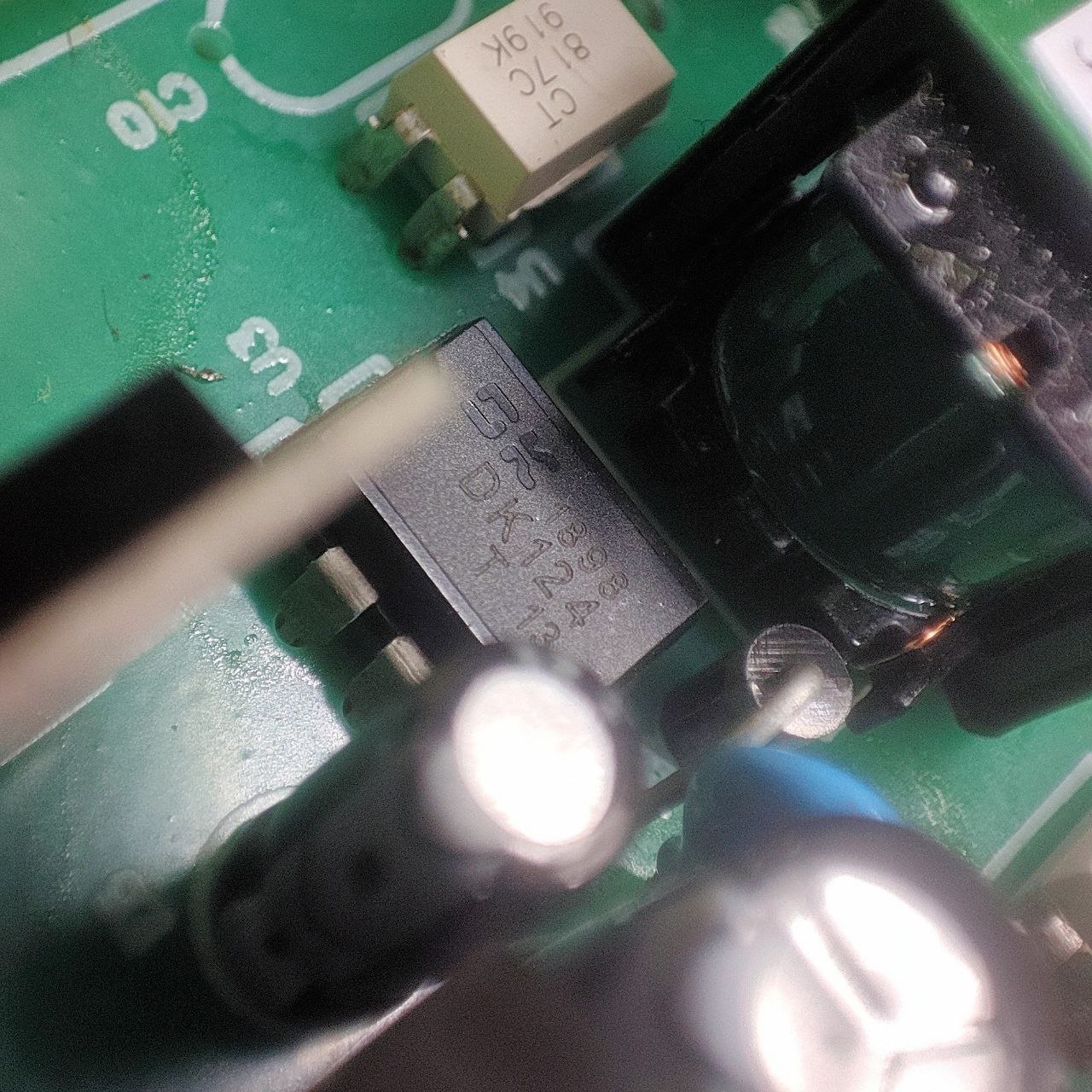
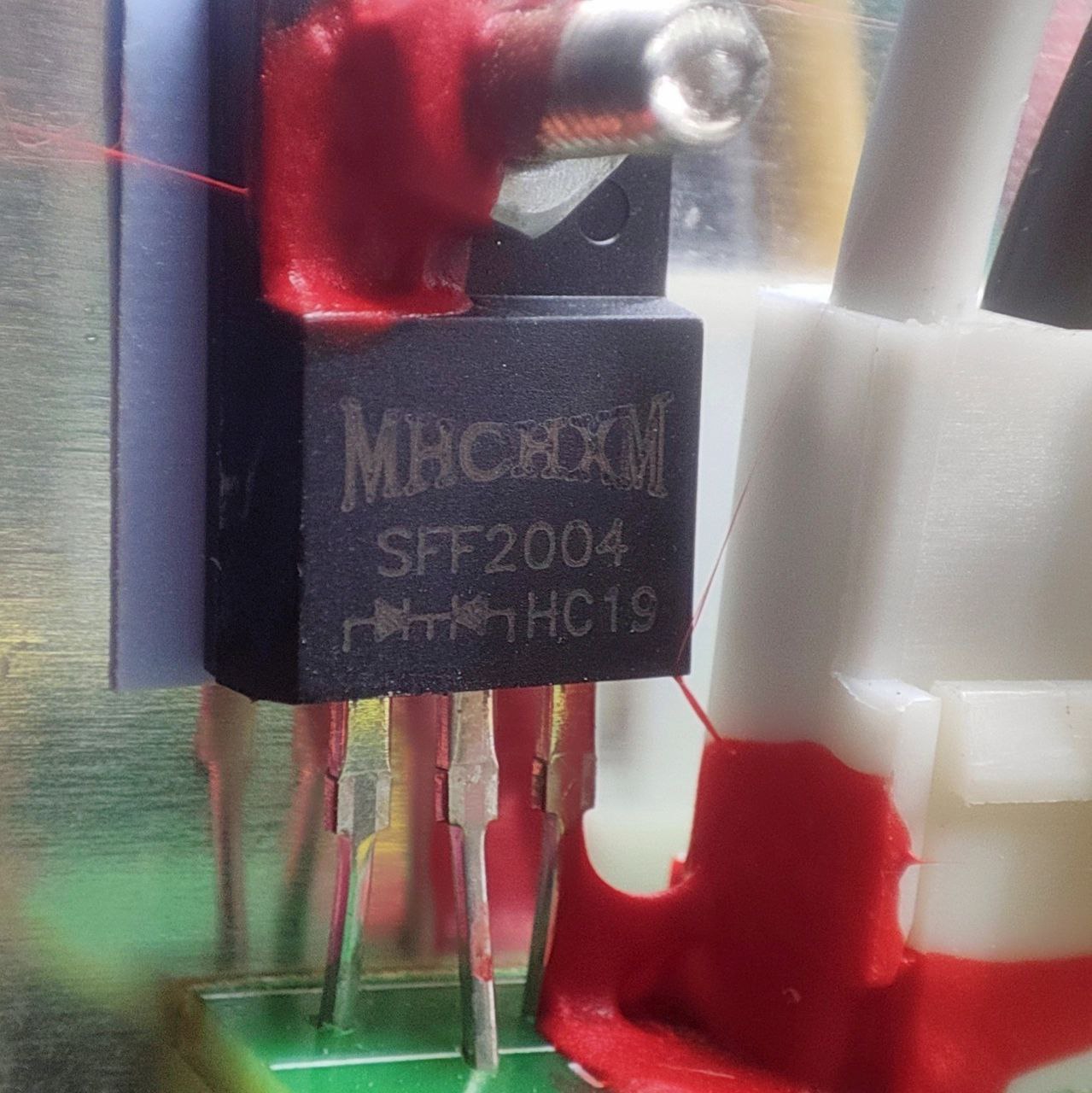
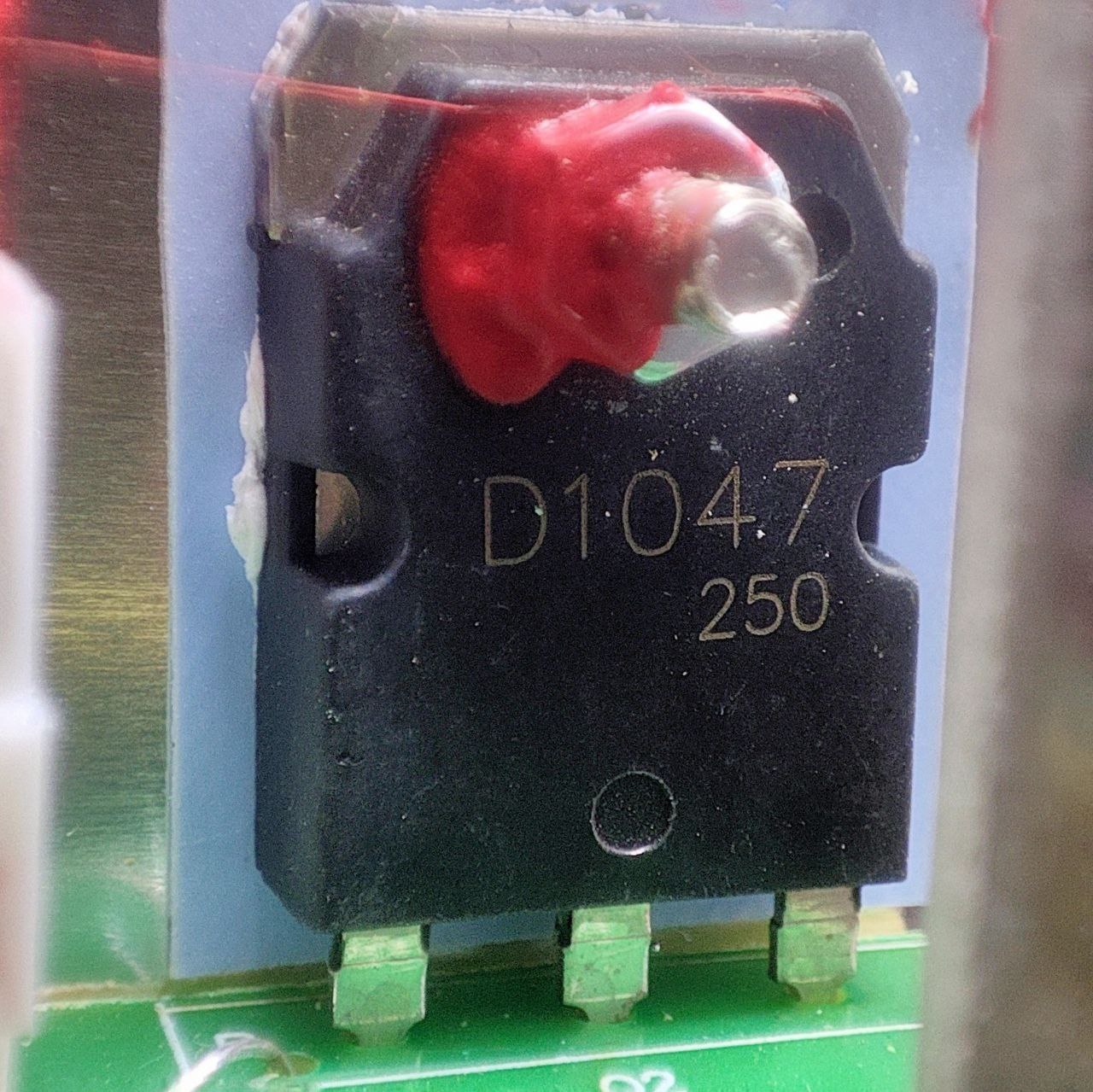
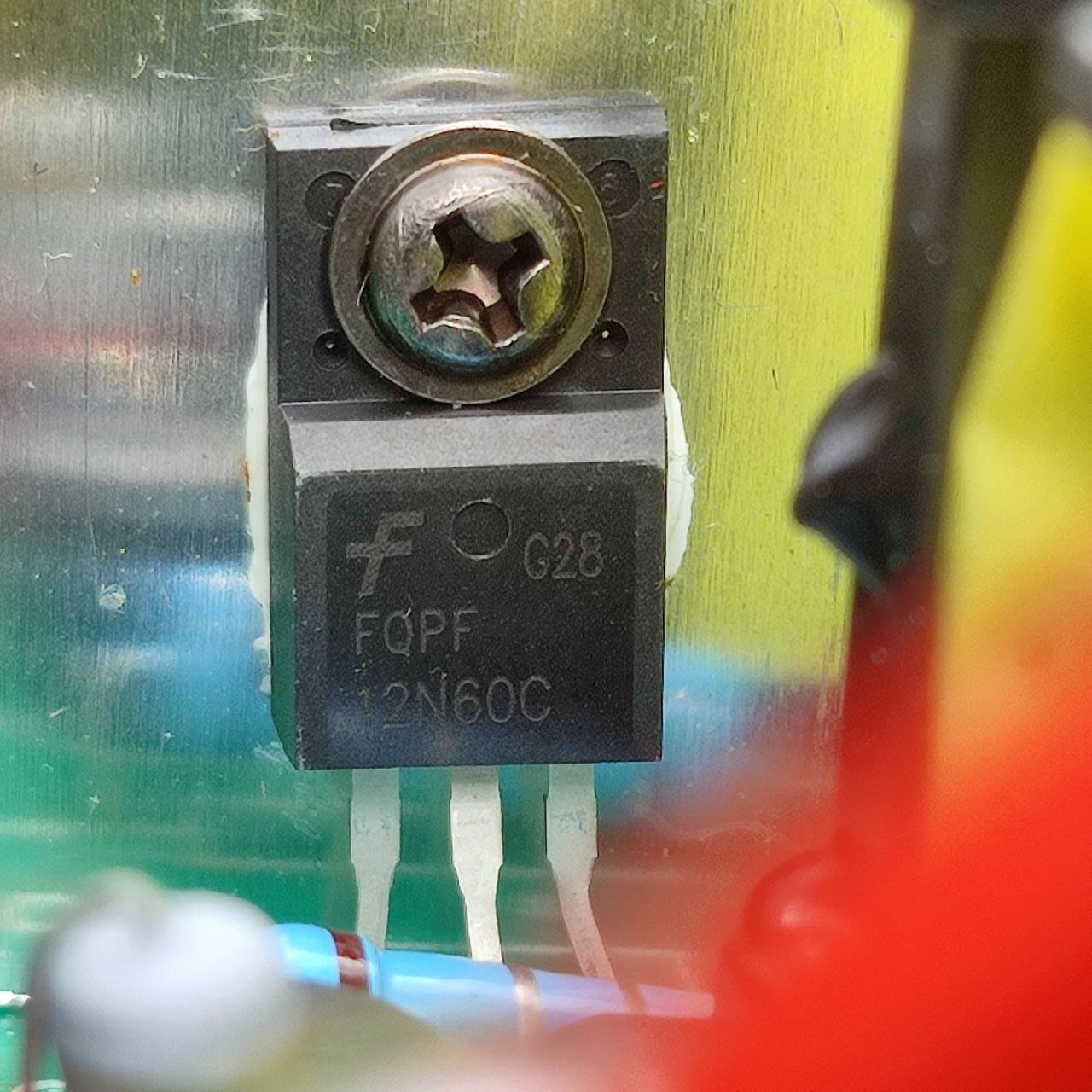
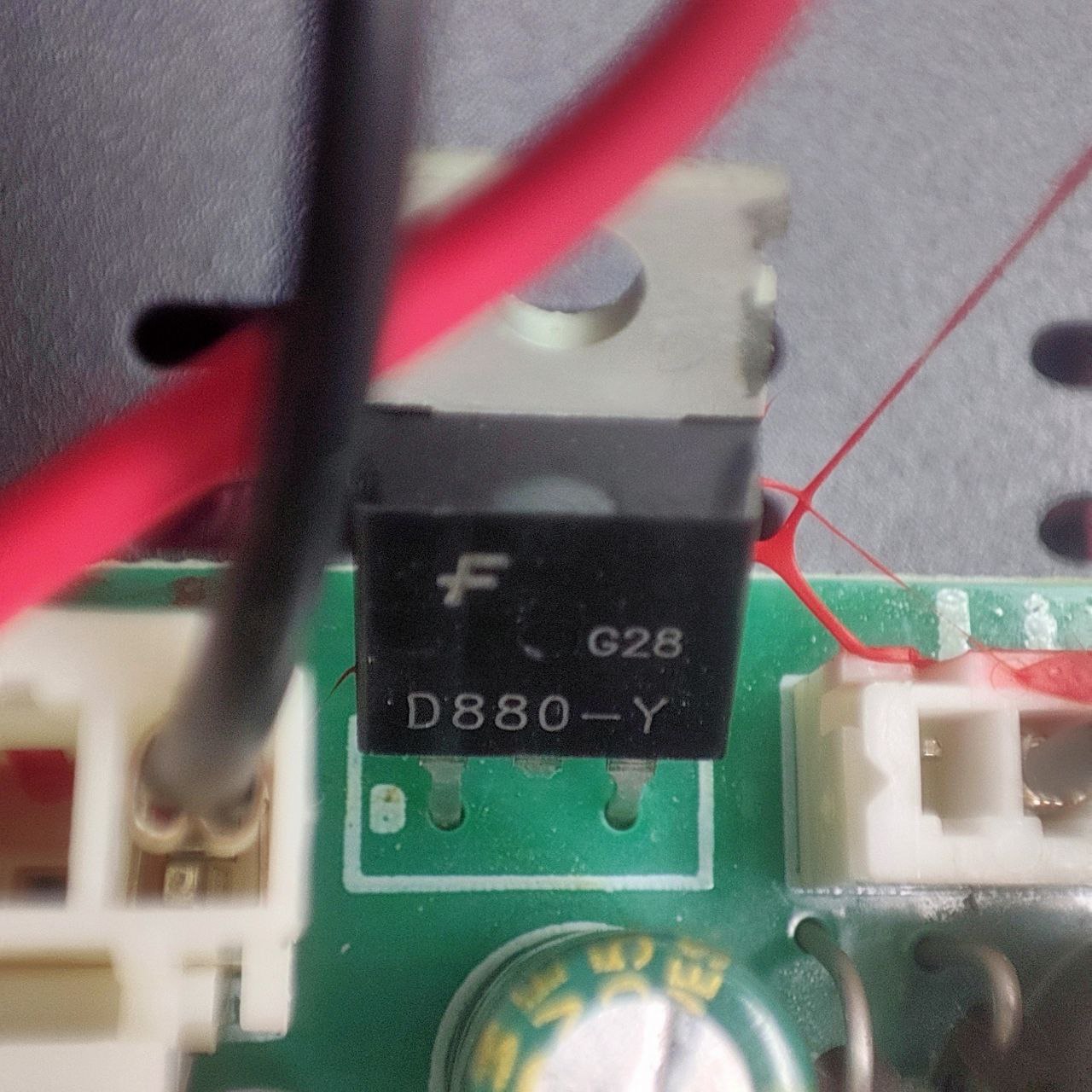
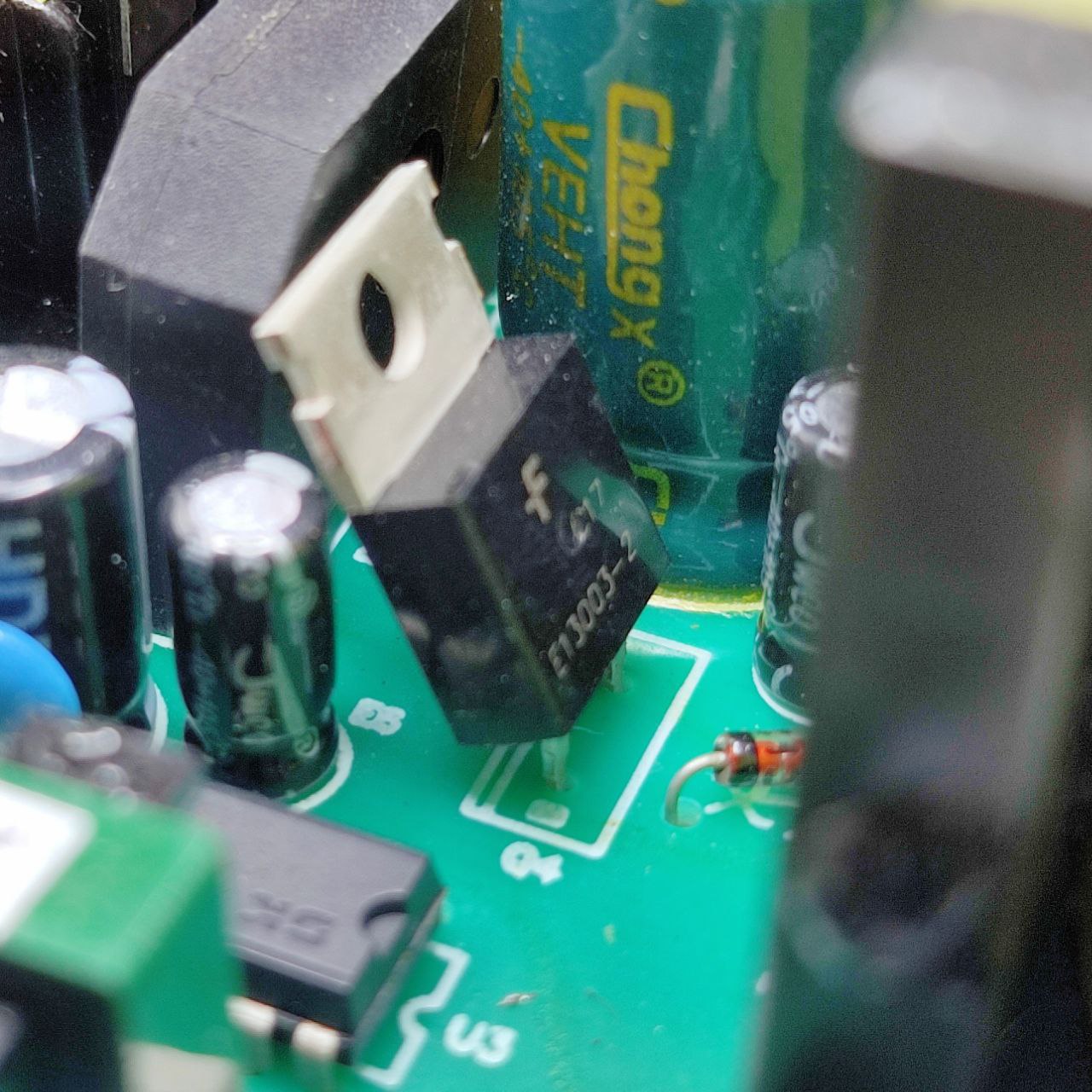
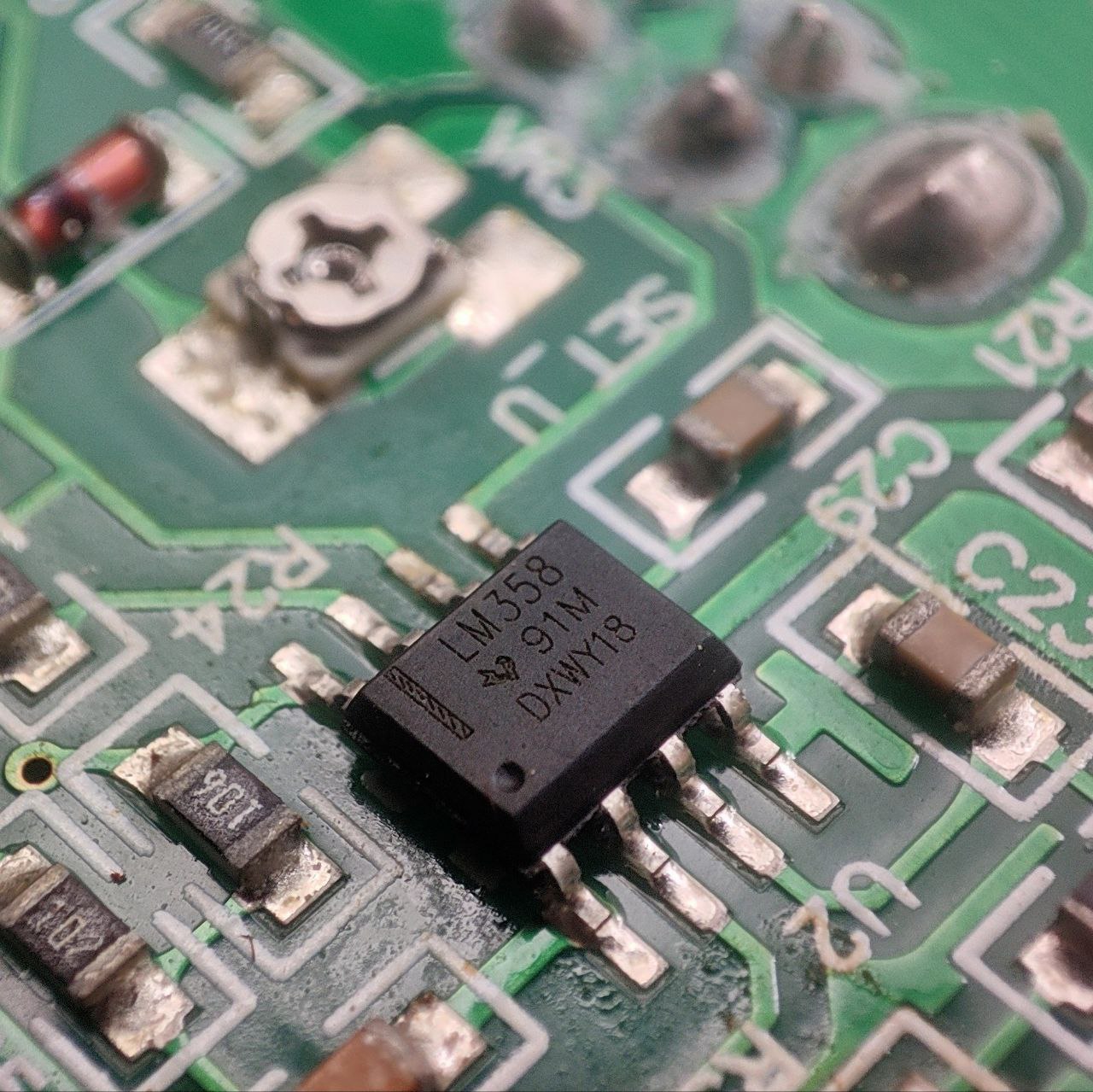
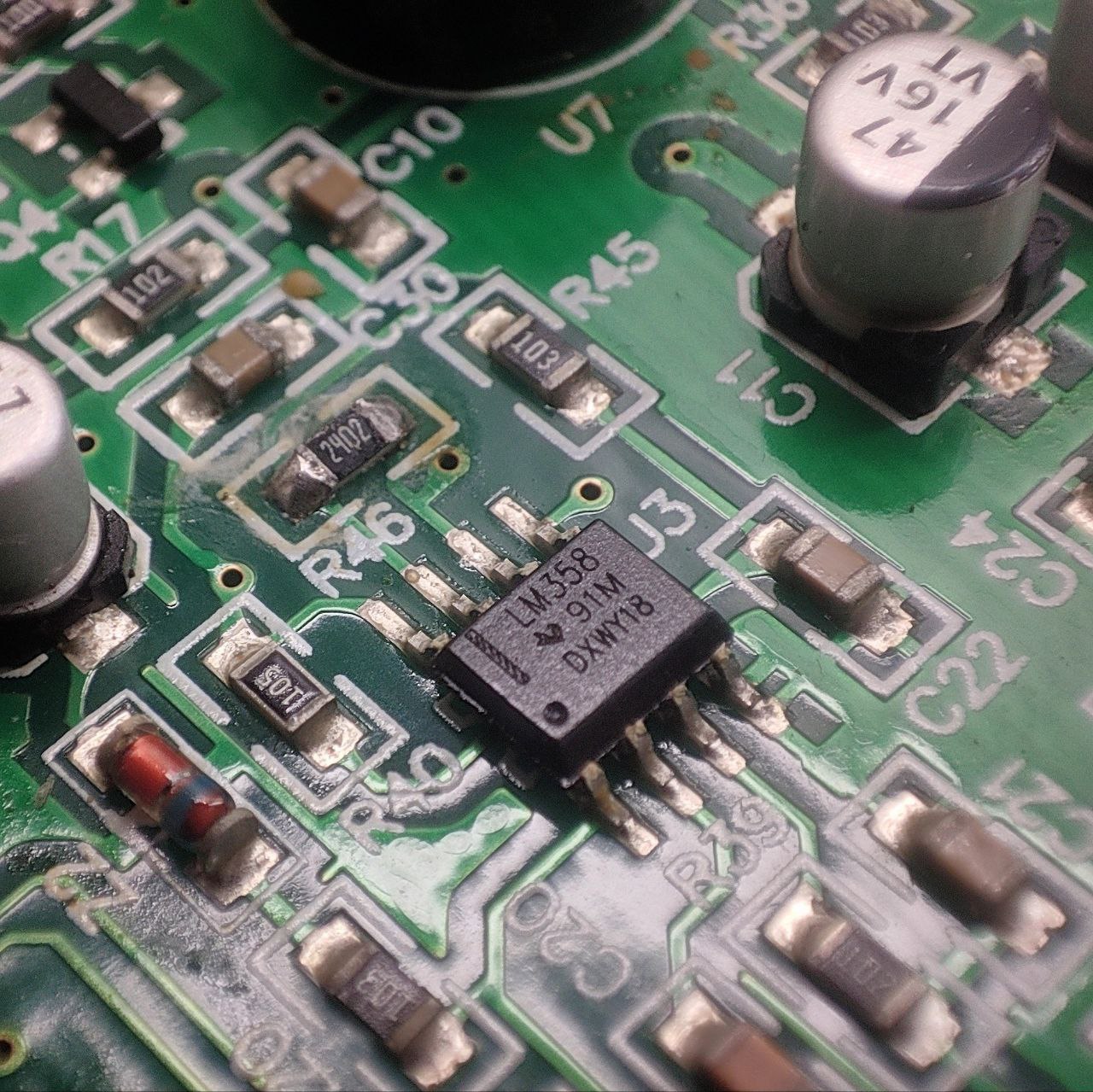
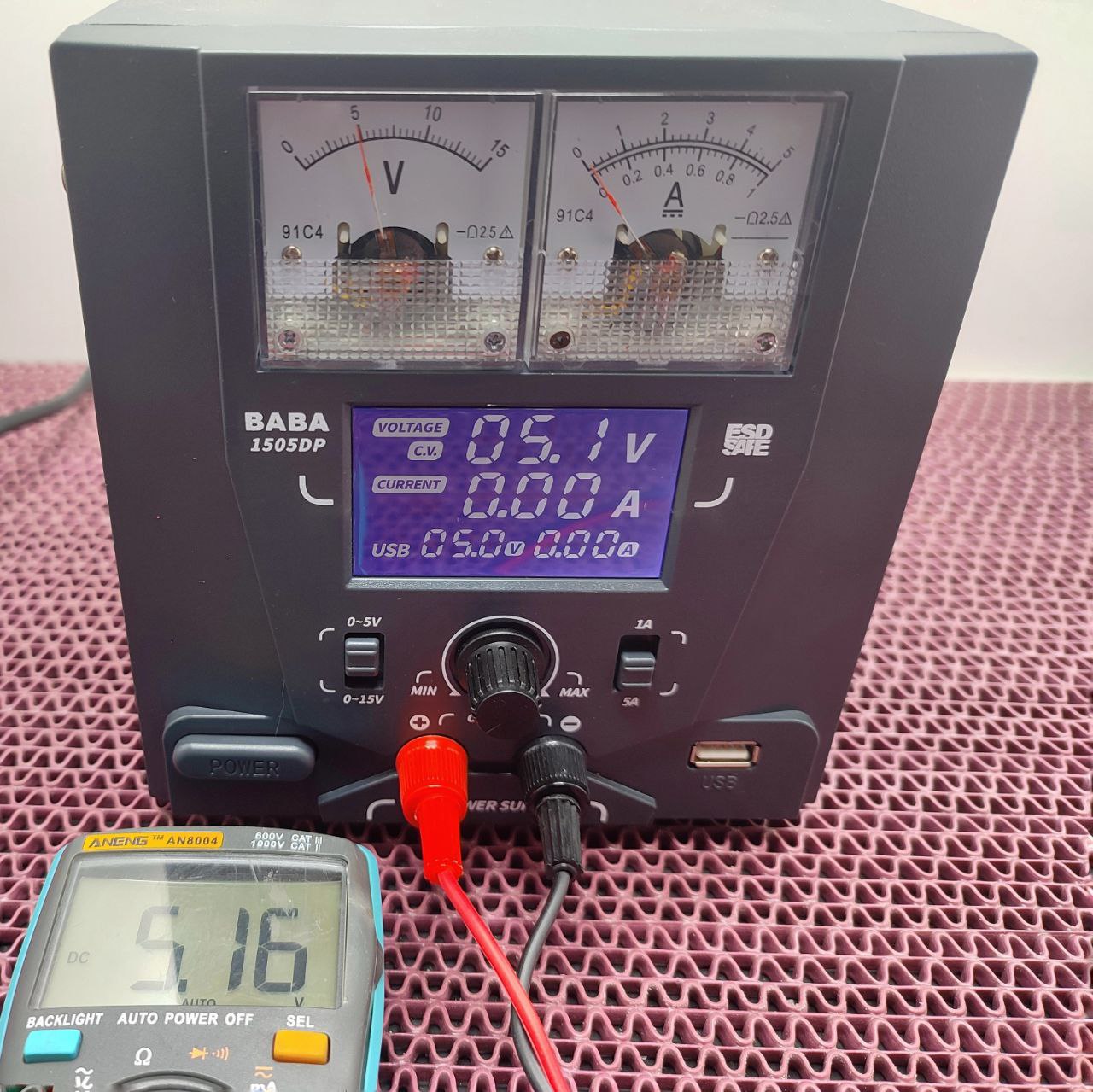
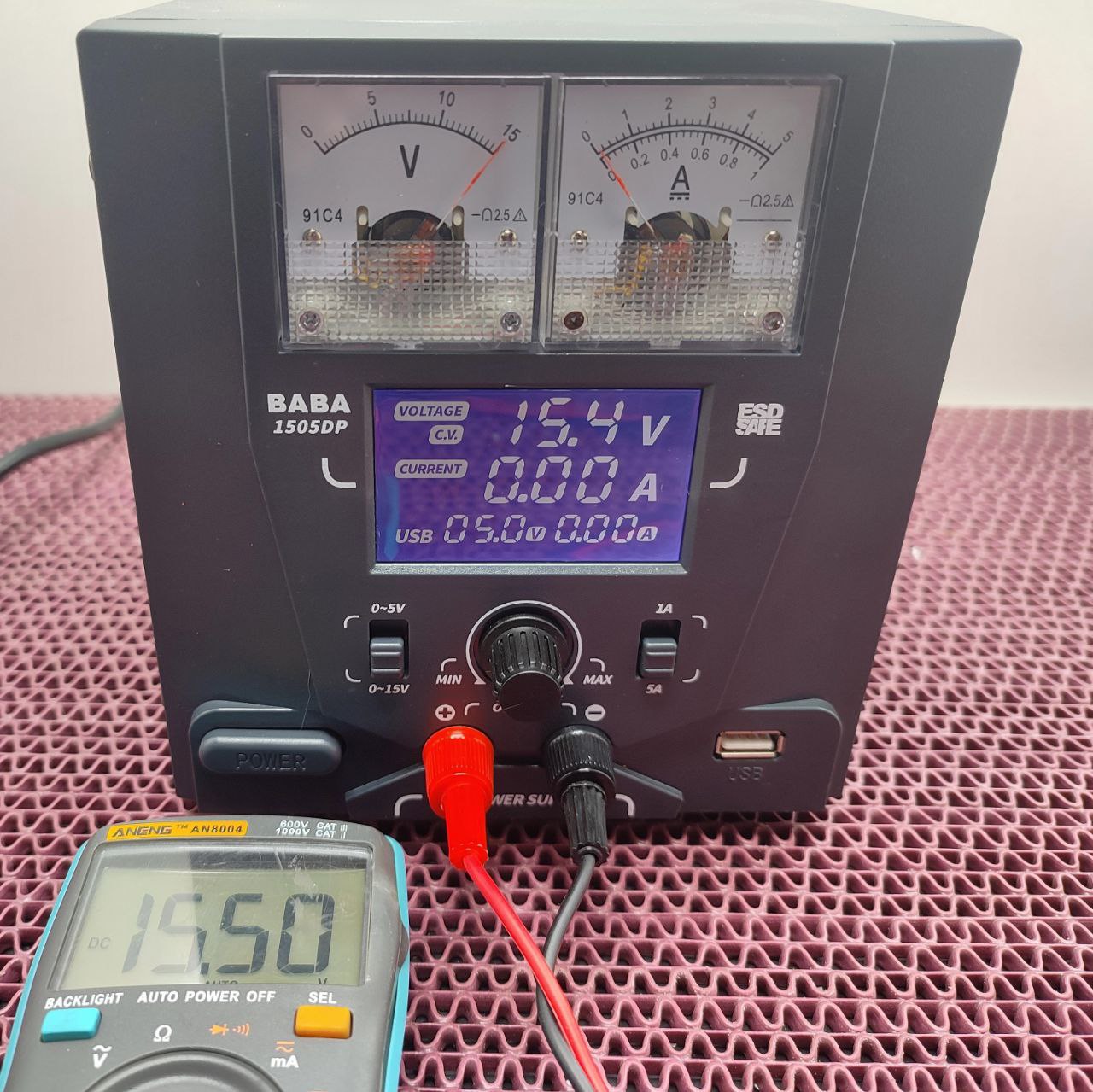
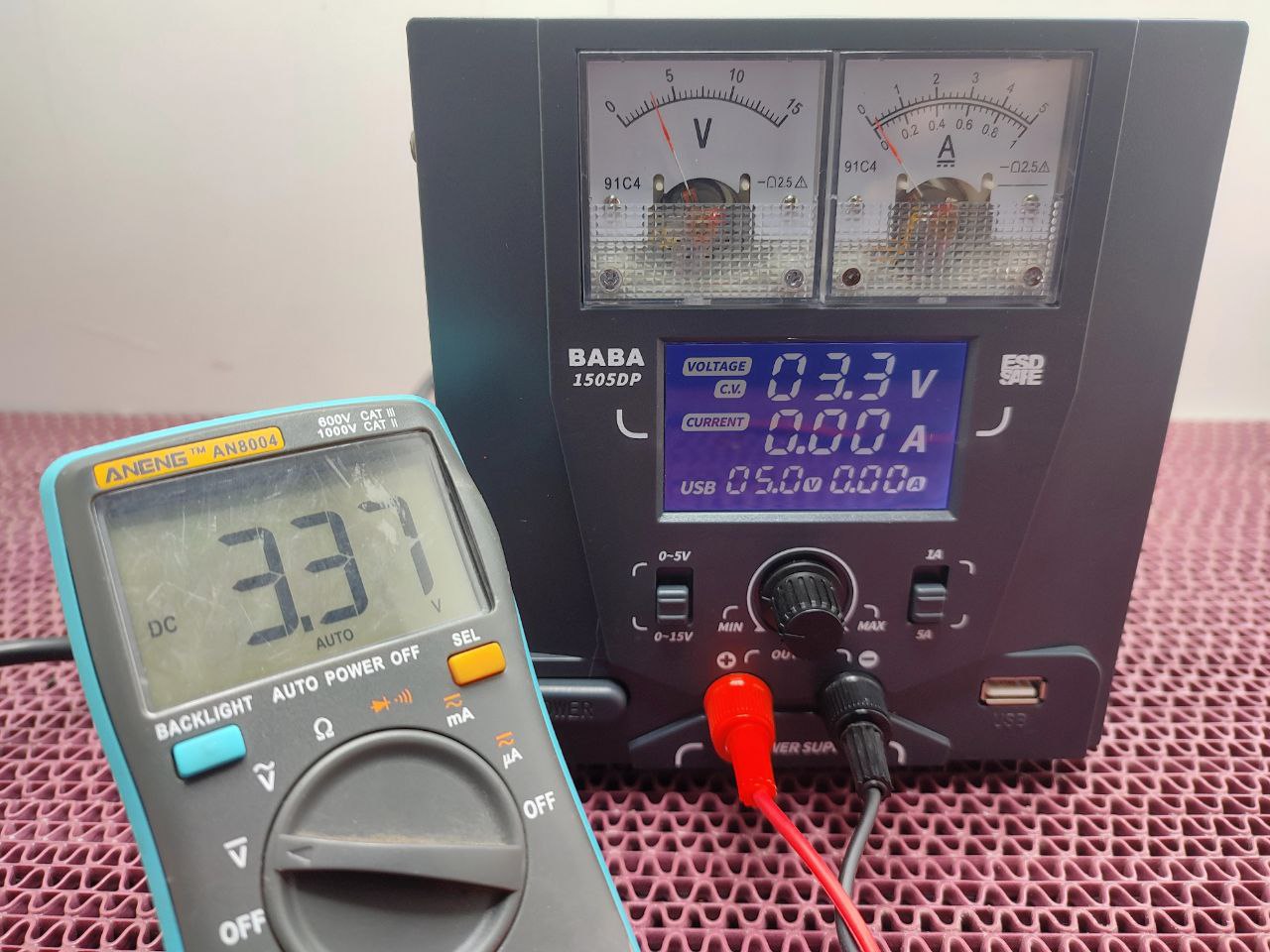
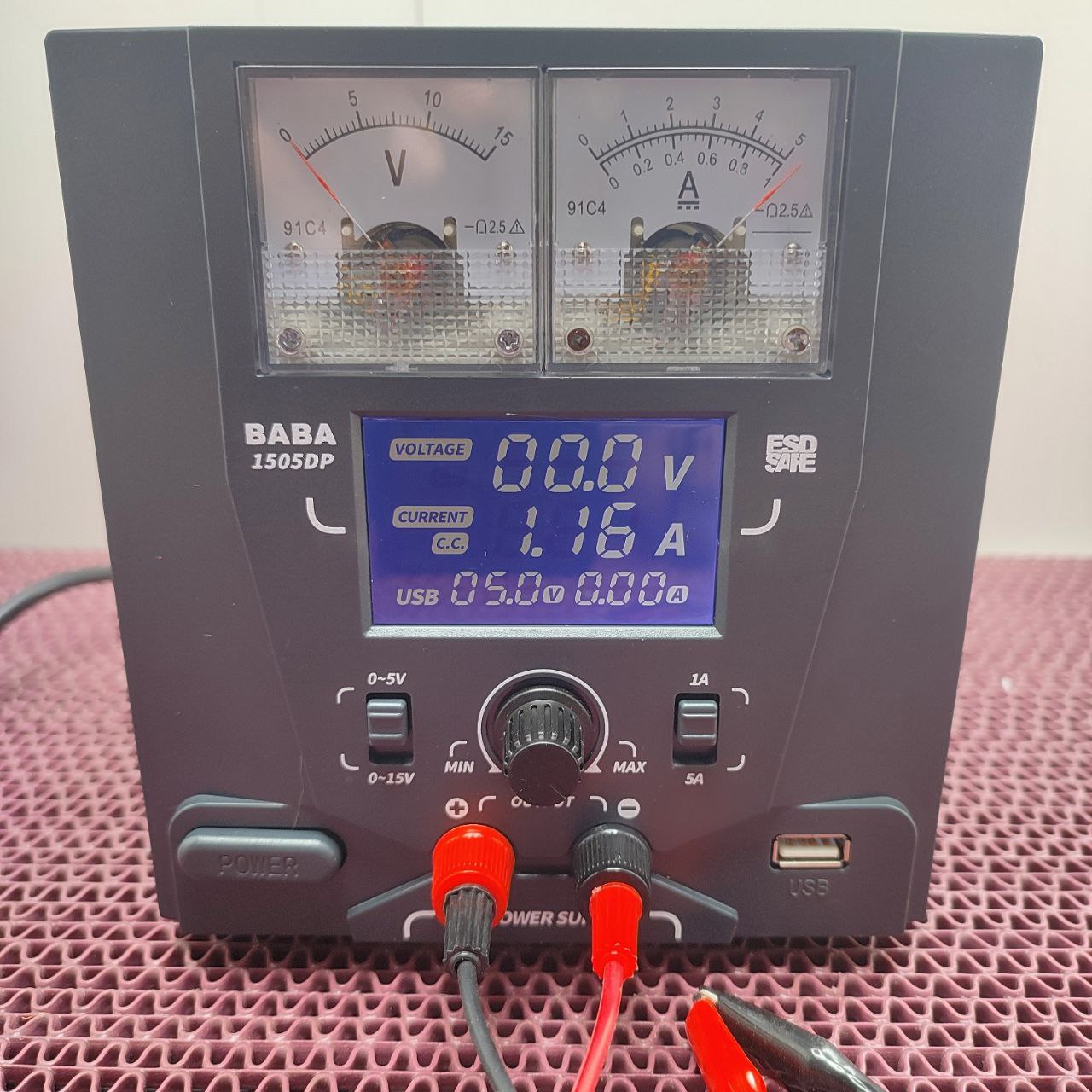
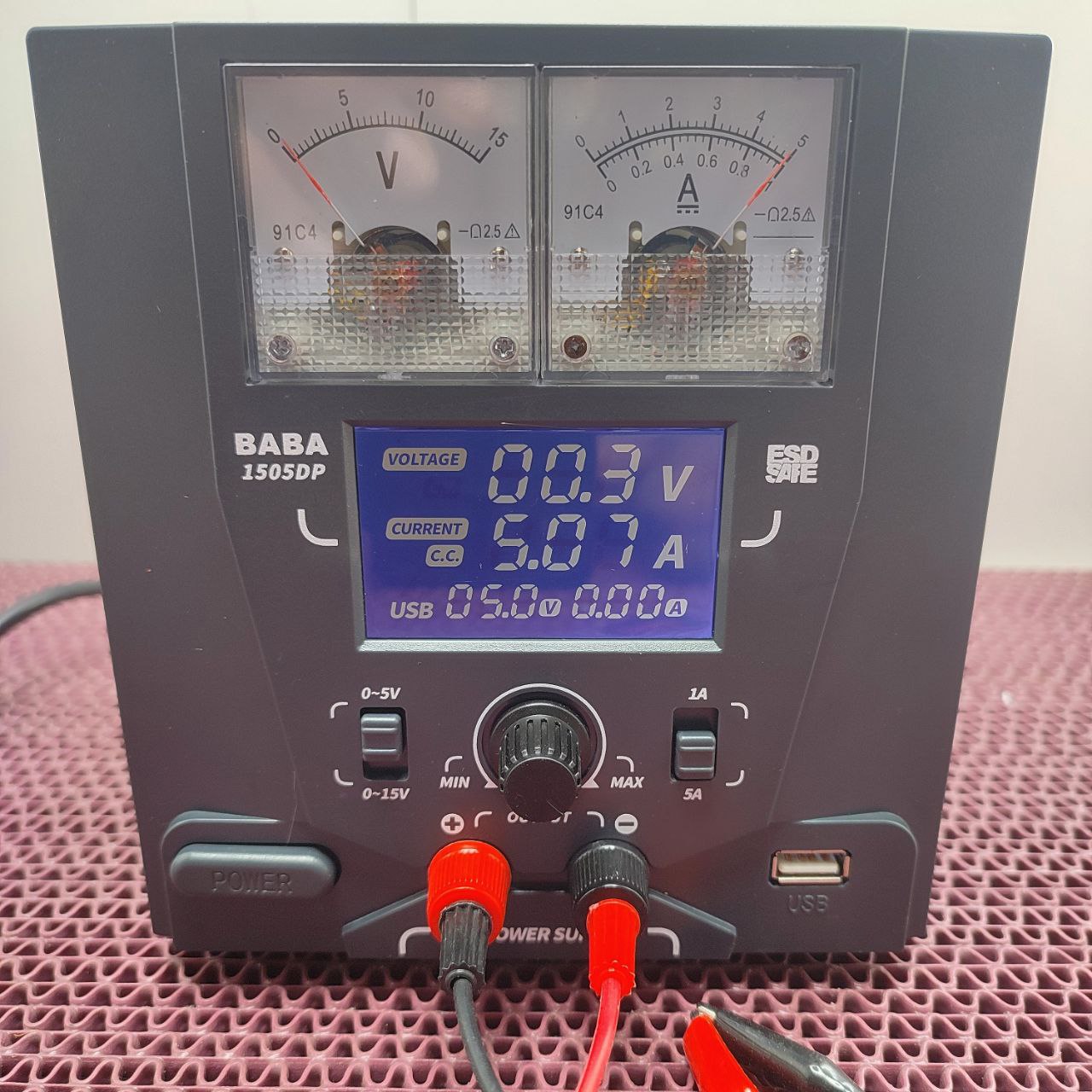
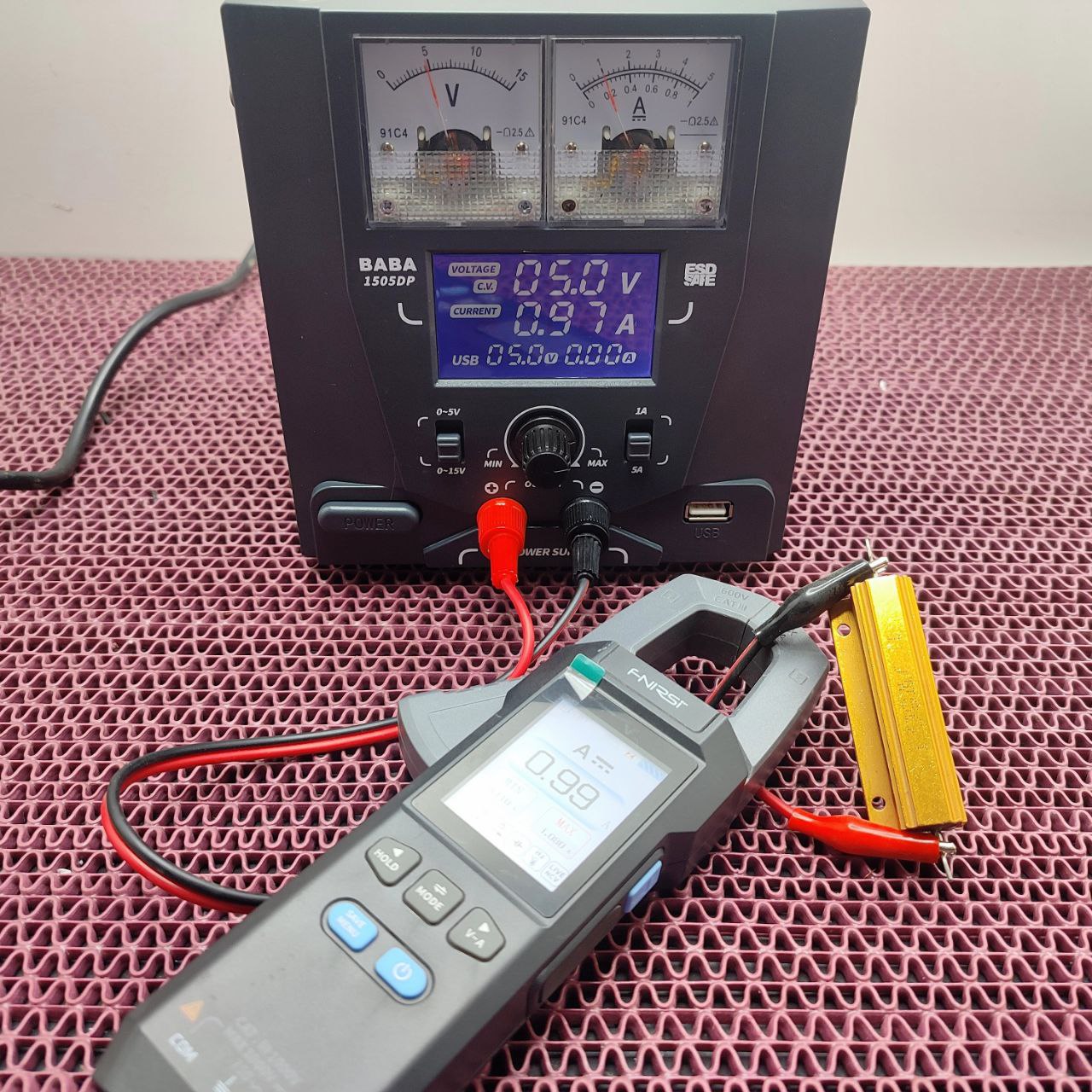
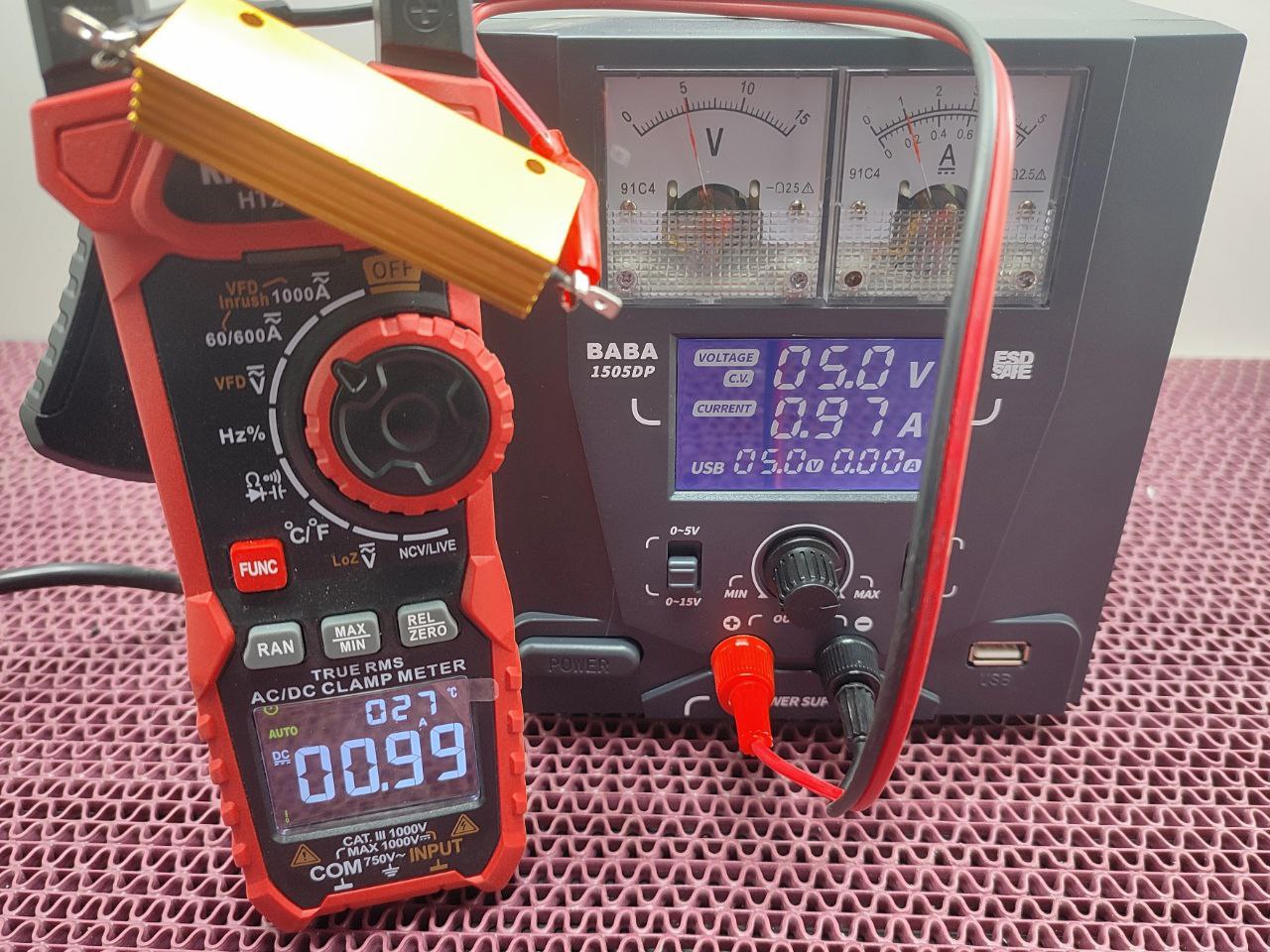
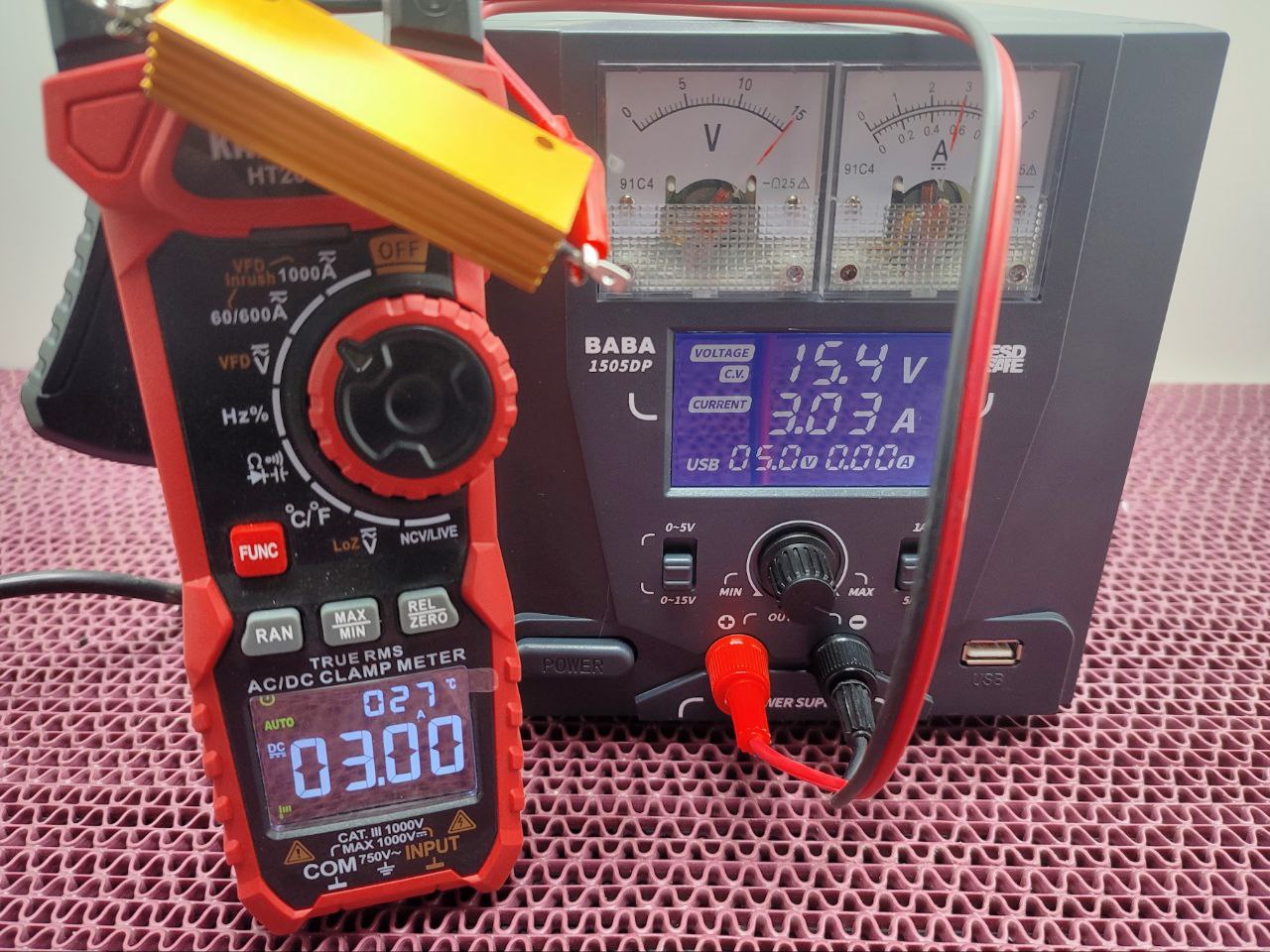
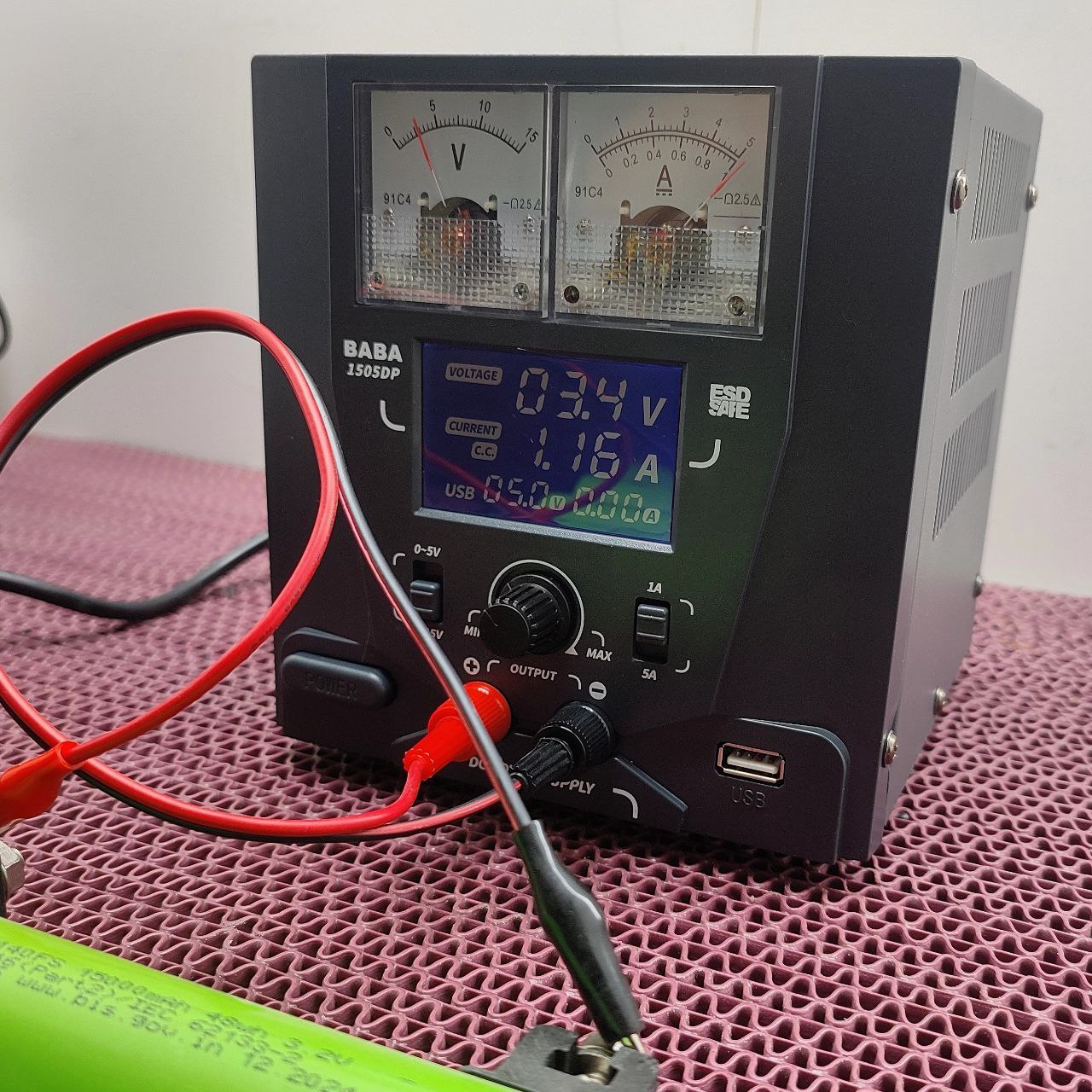
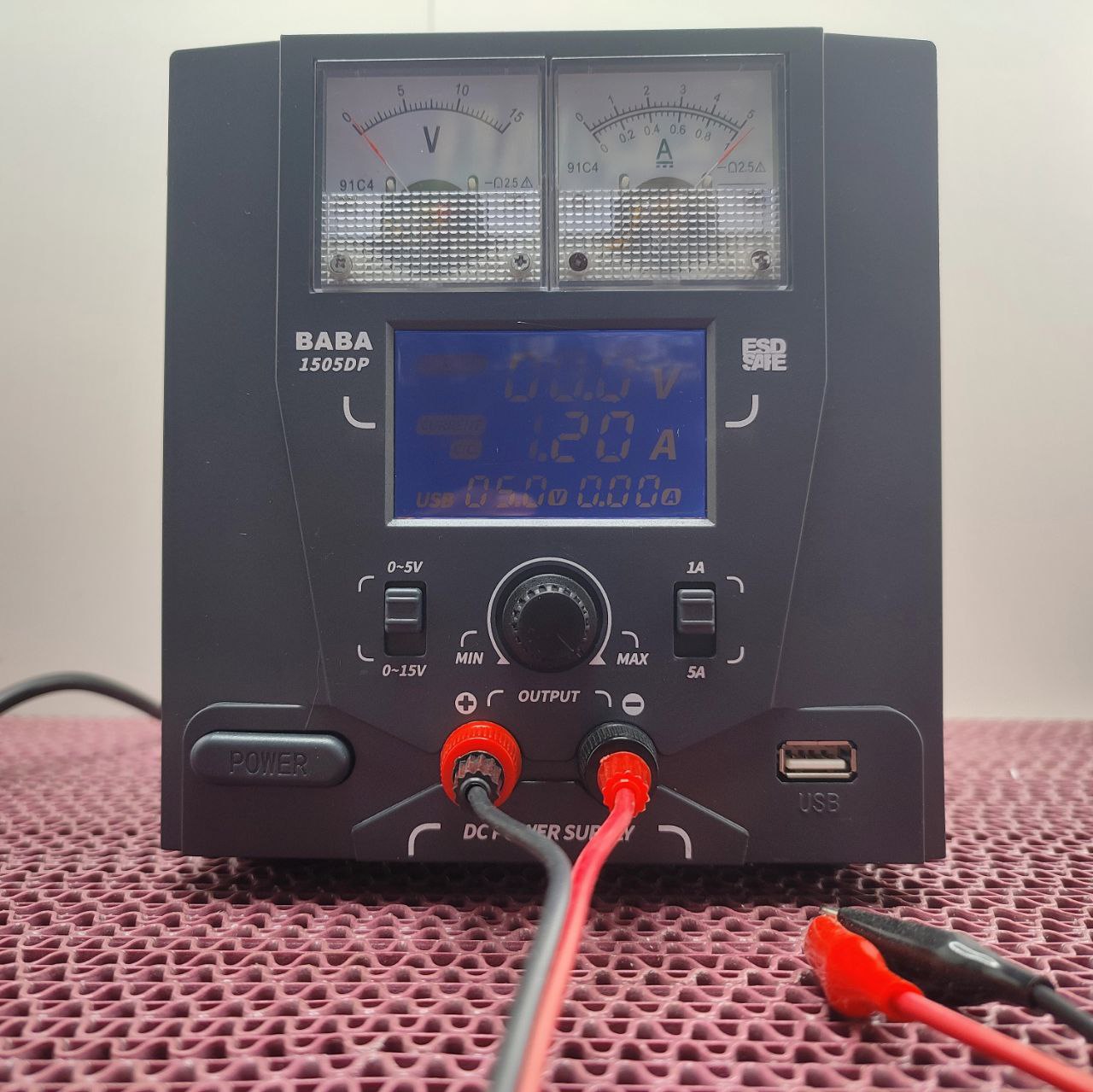
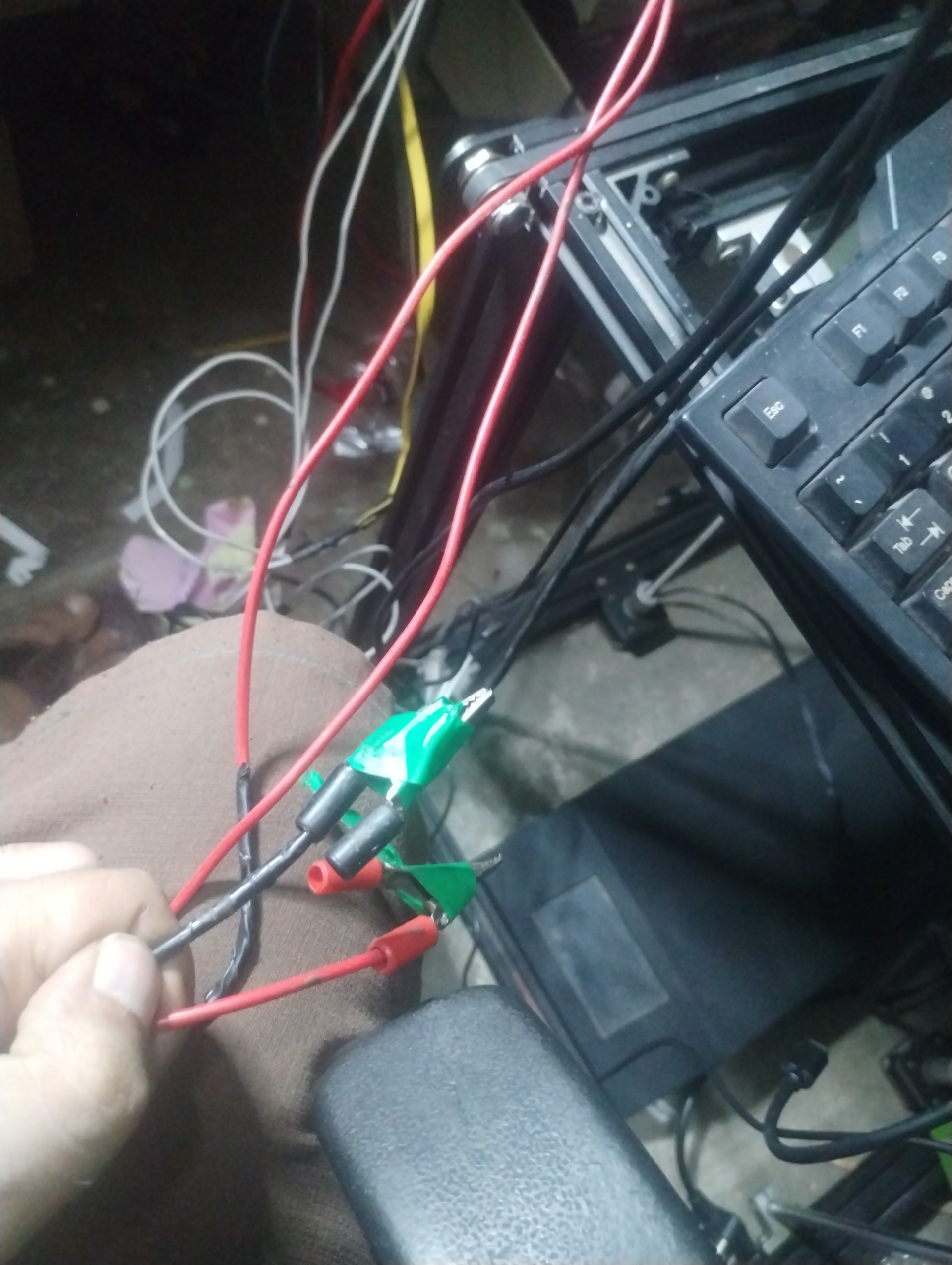
Following @Heisen’s Incredulation that I’ve never owned an adjustable power supply in the three decades since I first picked up a soldering iron, I did some research and fell in love with this dinky little thing:
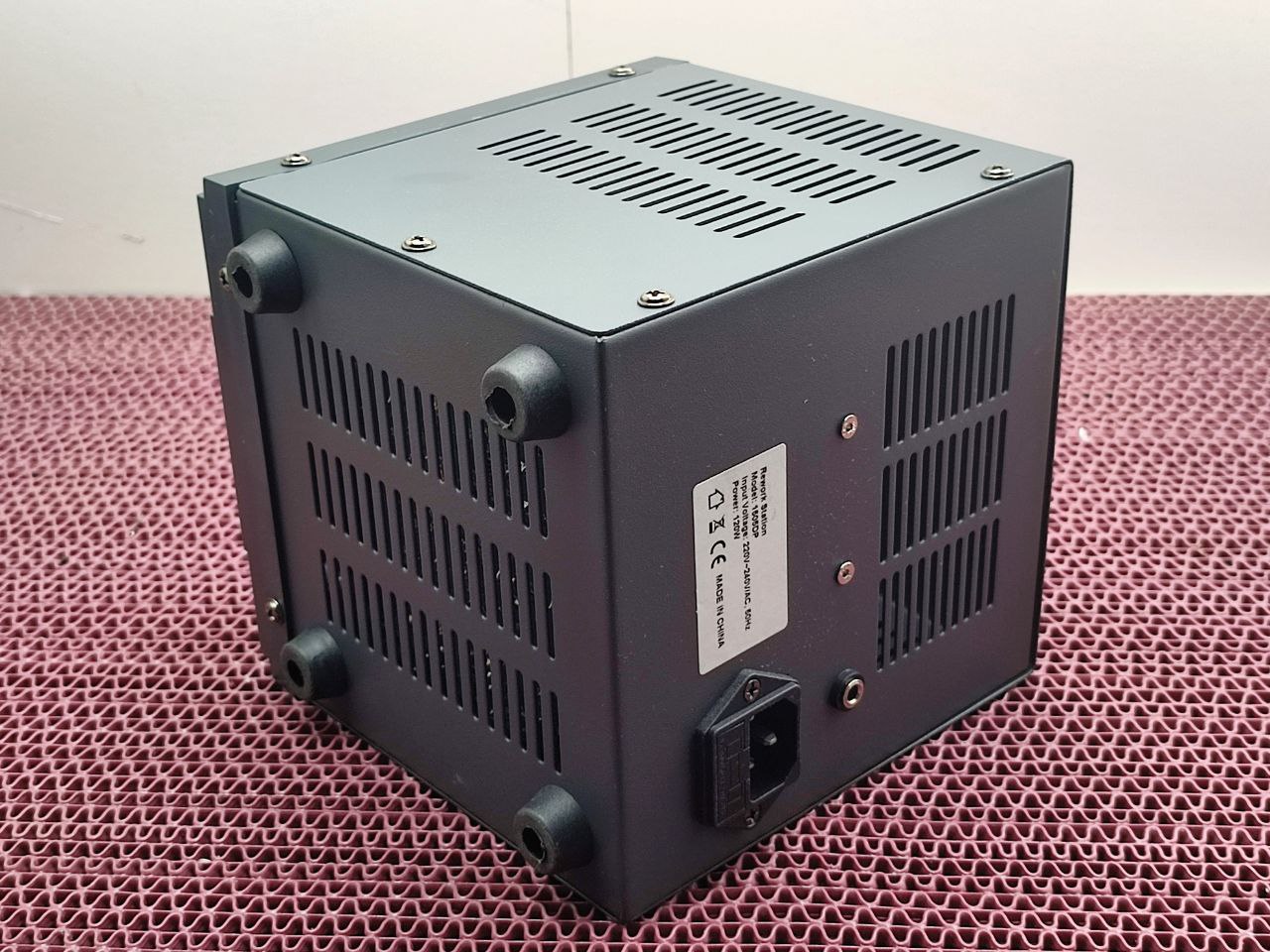
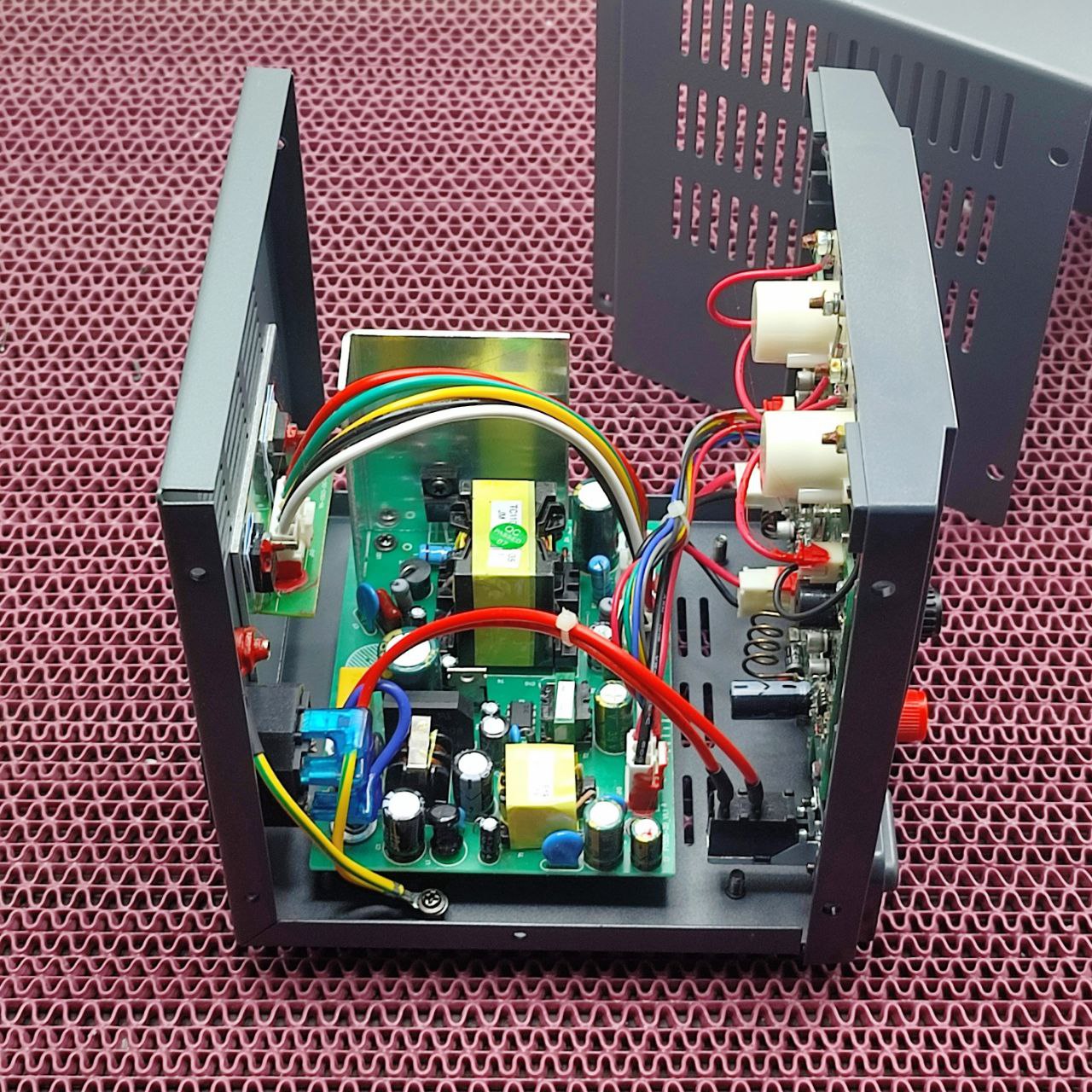
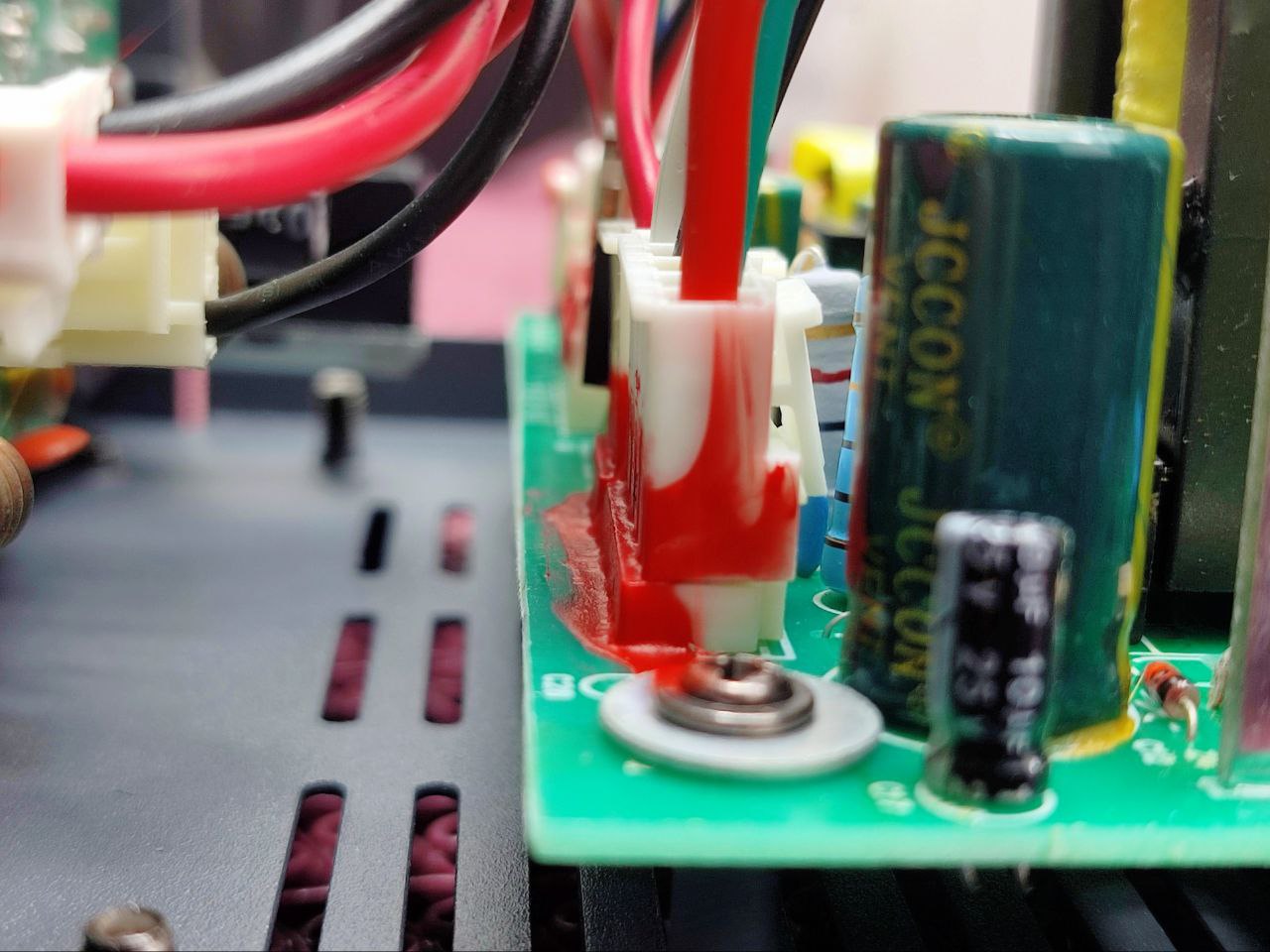
There’s a lot of care in putting this together, the screws are glossy gunmetal and there’s two types. The socket head ones at the rear are not structural, they’re use for heat dissipation, a small but clever touch.
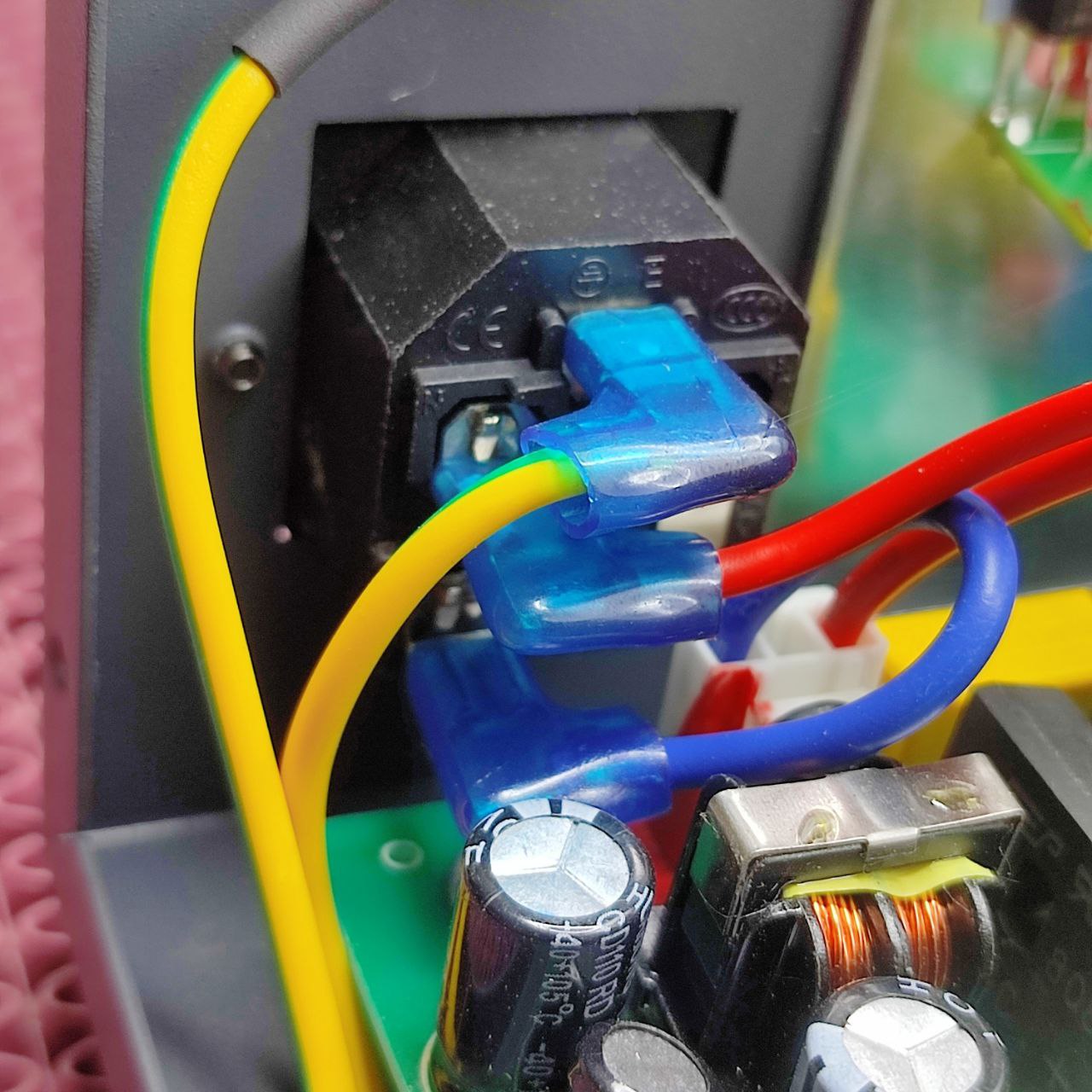
My only gripe is that most of these chinese bench supplies come with f type plug including mine (korad ka3005ds) so if it’s not properly grounded then it will give you little shock or kill the component you are testing
Oh you’d be surprised! All of these photos are with the Redmi Note 10 Pro Max, the last phone made with a AF macro lens, even if it’s just 5MP.
The trend then shifted towards telephoto lenses with built-in close focusing, like the Samsung Galaxy Ultra series.
The special-ness is the Leica colour science that was leaked through an apk from a flagship Xiaomi phone a few years ago. But that’s no longer compatible with the current version of MIUI for this phone.
So if I do a factory reset, I’ll lose these customizations forever. There’s no way to preserve what I have without rooting.
But the phone is getting old, it takes a few seconds to launch any app and at least a second or two to switch apps. So the time may be soon for a change.
The future of photography is already here and it’s computational, imagine having Google’s math with Leica’s or Zeiss’s understanding of colours, that’ll make any sensor of any phone look amazing.
Of course there’s no comparison against a large sensor camera and a large aperture lens, but I have more cameras than I do fingers and toes and still I end up shooting with my phone.
But does this mean the photos we are seeing are not truly “real”? Real in the sense like less real than DSLR.
When a DSLR captures an image, the process involves straightforward analog to digital conversion, with adjustments dials like ISO, shutter speed, and aperture giving us a very close representation of what’s actually in front of the lens. No artificial bits gets generated which is not in the viewfinder.
In contrast, phone photography, especially with its tiny sensors, relies heavily on computational techniques. The phone compensates for its hardware limitations by enhancing images with algorithmic adjustments. Extra data is computationally generated based on the data directly captured by the sensor, the algorithms have become incredibly skilled at interpreting and “guessing” what the image should look like, making the end result appear remarkably real.
It’s likely due to cost considerations. The factory in China probably uses this cable because it’s compatible with major socket types worldwide, which simplifies shipping and reduces complications.
Retailers usually buy these units as is, and requesting a different cable would disrupt the production process, adding extra costs. So, they stick with the standard cable to keep things efficient.
I bought two different bench power supplies both came with this cable. Both supplies are made in china.
No, they’re all real — I meant computational in the sense that things that are traditionally considered flaws, like distortion, chromatic aberrations, noise, low dynamic range, etc are fixed before the image is saved.
Canon’s already doing this with their mirrorless cameras. If you take their lenses and put it on a non canon-camera, you’re going to be shocked to see the amount of distortion it has. But by using clever math, and high resolution sensors, the end user sees a perfectly normal jpg image.
Believe it or not, Apple started this shift many many years ago with the iPhone as a way to work around the physics of small sensors, Google took it and pushed it hard and now everyone else is catching up.