Home power backup confusion

So I live in an apartment society which provides DG power backup, upto 1000-1300 VA, more than sufficient for my use case. However there are few issues

  1. Switchover time ~30s (mostly in 10-20s)
  2. DISCOM level issues (low voltage, loss of phase, voltage variations etc) will require manual intervention by the in-house electrician, meaning extended outages. Happened a few times.
  3. Random DG switch-over issues which needs manual intervention (by the in-house electrician). Happened in a bunch of times and was out of power for 15-30 min.

To handle the switch over time for my critical loads, I have a 600 VA UPS (PC with monitor) and 1000 VA UPS (TV, networking gear, NAS etc). This might provide 20-30 min power backup. As the apartment provides DG backup, there is no built-in provision for an inverter point. The electrical DB is on an upper wall in a passage way.

Recently I came across wall mountable inverter + battery combo units which uses LFP batteries. Something like this can be easily installed on the wall next to the electrical DB and will be aesthetic as well. Some of the units that I saw are

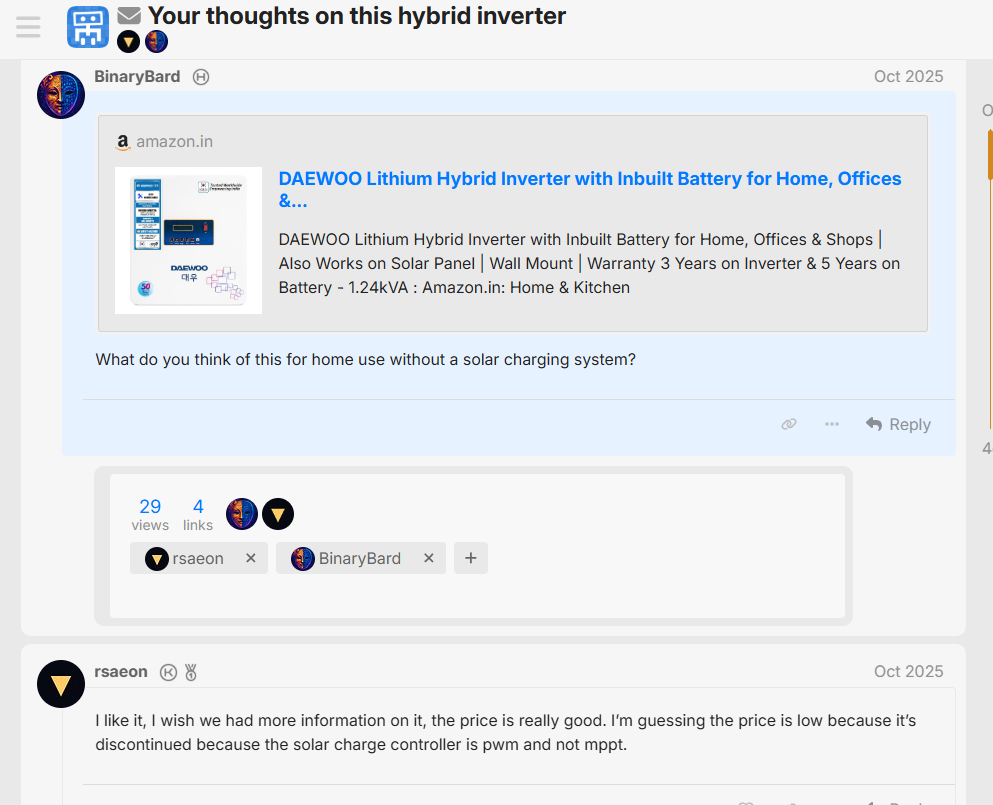
  1. Daewoo 1.24 kVA with 1.2 kWh battery
  2. Livguard Lithium X 1.25 kVA with 1.2 kWh battery

There are other brands too. Now, I also have a VGuard Smart Pro 1 kVA inverter plus 165 AH lead acid battery that I have been using at my previous apartment which is sitting un-used for now. The lead acid battery is a definite NO for wall mounting at the location I have planned. However, there are wall mountable LFP batteries for example from Microtek for about 18k and then I can wall mount the existing VGuard inverter maybe on a stand.

So now my confusion is

  1. Is this even worth pursuing considering there is already DG backup and UPS backup for critical loads? I know this is something only I can answer, but would like to hear others’ perspective.
  2. The all-in-one unit like the Daewoo or Livguard is cleaner from an aesthetic point of view, and also supports a higher load. However, it comes at a higher cost.
  3. The VGuard unit is only rated 1 kVA which might be a point of contention, however all my fans are BLDC so that reduces the load demand a bit. Of course it may not look good aesthetically.
  4. I do get tax benefits from my employer if I make this purchase (can make purchases which help with WFH), which would otherwise go un-used so it is essentially like a 30% discount.

Would love to hear your thoughts and perspectives.

1 Like

@Heisen @rsaeon

P.S. that amazon link has multiple sellers out of which the only one worth getting it from is RetailEZ Pvt Ltd which is amazon own official seller & their price is 21.2k for this battery.

2 Likes

Those two units are what I’ve liked as well but I haven’t had tried them out or have heard from anyone who’s tried them out.

If you are seeing power interruptions of more than 15 mins then you do need an inverter and both of those units are good options on paper.

@BinaryBard has been doing research on the lfp+inverter combos and so have a few other members as well like @unni and @avinandan012 but I’m not sure if anyone has actually purchased one yet

We’ve had several discussions about them in the last few months.

If you want a multipurpose solution, the Ecoflow River 3 has a 10ms changeover time making it ideal as a long-backup UPS for your pc and a power station when you’re travelling.

2 Likes

I’d definitely recommend an inverter for the inbetween, rather than an UPS.
As for your consufions..

  1. the downtime between switching seems to be your main concern. If your load isnt too high which can be taken care of by the UPS, why bother? Then again, all them TRIIIIIIIT TRUUUUT TREEET sounds do be annoying sometimes. A good inverter with a solid TRUUNNG does give some peace of mind. But if the power cut/voltage fluctuations happen so frequently like a number of times in an instant, no inverter can do anything in that scenario.
  2. You want the looks or higher load? that’s on you. 2kva = 1200w, 1Kva = 600W, 600va = 360w…
  3. refer to point above
  4. That’s just another reason to get it done, ain’t it?
3 Likes

If this line draws power from the back-up that you will be providing then consider that load. I did the same mistake of ignoring it and it was only after an engineer of a manufacturer visited and checked my setup did I realise it.

The only thing he suggested was a stabilizer after checking the mains.

Consider getting your requirements checked by an engineer and then take it forward?

I think it was for the same unit that I messaged @rsaeon and then there was another and then a few more. I wouldn’t buy that.

I visited a manufacturer in a nearby city and checked some offerings which are good but it turns out I don’t actually have any need for a new power backup.

This is absolutely true.

2 Likes

I was also on hunt for lfp batteries but never pulled the plug as its darn too expensive for my use case as the load is huge. I have major power cut once or twice every month with minor hiccups every other day. For now its lead acid battery for me as reiterated by @rsaeon that its most cost effective.

i would suggest to add stabilizer for the whole house and a surge protector but I don’t know if that’s feasible in apartments or not.

2 Likes

Excellent point, yes, and it does come up for sale at 18k from RetailEZ itself. If I was going this path though, was planning to check locally as well as I would need to exchange or sell my existing lead acid battery.

Thanks, yes, had seen this but would prefer a single purpose solution, I don’t generally prefer moving things around even within the house. I even have a phone charging adapter plus cable pre-attached in all rooms and even multiple locations within the same room to avoid moving things around. :joy:

Yes, on paper it looks decent, but yeah was also looking for first hand experiences. Someone in a review commented that the Daewoo unit is an older transformer based system and hence less efficient. Wasn’t sure if that’s a point for consideration.

The downtime during normal operation, that is < 30s, I don’t mind. The UPS beeps are irritating yes, but for 30s, it’s not a major issue. However, the extended downtime due to DISCOM level issues is what I want to avoid, as the auto failover to DG will not happen at that time. I wouldn’t say its that frequent, maybe once a month.

Also, its not the voltage fluctuations exactly, but rather phase loss or say very low voltage <100V. During these situations, the in-house electrician usually does a force switch over to DG, but it would be significantly longer than the 30s. Then sometimes the DISCOM power supply appears restored, so DG is shutdown, only for the same thing to repeat after 30 minutes. So I wouldn’t say its the general voltage fluctuations that a voltage stabiliser might handle.

There is probably better DG failover systems that can detect such issues and do such failover automatically, but then that would be an investment the apartment as a whole would need to do and hence outside of my control. It also comes down to incoming power supply quality from the DISCOM, but that too is outside of my control. There have been complaints made, the immediate issue gets addressed, but something similar repeats.

However, I completely agree with you that, I am chasing an edge case which has a very low frequency of re-occurrence.

It needs to satisfy the load requirement and should be aesthetic as well. If I am investing in such a solution, would want the entire house’s low power circuit to be covered, I mean excluding the 16A sockets (AC, geyser, microwave, oven, washing machine, dishwasher etc) and maybe exclude 1-2 5A sockets which are used for ironing.

Yes, the solution should also cover the existing circuits which are currently behind a small UPS. I did rough calculation, and it is between 800-900 watts.

Fan x 5 @ 30W (max load) = 150W
Tube lights x 3 @ 20W = 60W
Other lights = 120 W
TV + Network + NAS (max load) = 300W
PC = 100W
Misc = 100W

Total = 830W

This is everything combined though, the probability of all of this turned on at once is very less. Diversity factor would come into play.

Any specific reasons as to why? Any known issues that you noticed while researching?

But is it really that expensive? A 150 AH, 12V lead acid battery has a storage capacity of say 1.8 kWh, but being lead acid, you can actually maybe use 50% of it, so ~ 1 kWh, plus maintenance overhead. The lead acid with 5 year warranty would cost 13-15k I think. LFP batteries are also in the same range per kWh. As you go for larger storage capacities, it becomes cheaper. A friend recently purchased a 16 kWh (16 cell) LFP battery pack (no-name, DIY assembled) for 1.75L (all incl) that’s ~11k per kWh.

Recently came across the below company as well, all in one units (including solar integration for Hybrid use), for higher loads, may not make sense for smaller loads in an apartment.

Efficiency is lower with a low frequency inverter but surge capacity is higher.

Surge capacity is pretty important in our lives, everything that’s a motor would have some kind of surge. Fans, motors, etc. That’s partly why most manufacturers stick with the older transformer designs even though the newer stuff is far more efficient.

But to get a newer high frequency inverter with the surge capacity of a transformer one, you’ll need to spend a lot more money.

I was excited looking at the compact form factor, “hybrid” inverter and lithium battery. Messaged @rsaeon in the middle of the night to seek his opinion.

Also found much better product offerings locally - again, checked with @rsaeon .

If you look up the company that’s selling this product - they are only in the trading business and not manufacturing or even assembling any of it.

My two units of APC 1100VA would require an inverter with at least ~ 2.4 kVA along with the other devices drawing power to ensure it doesn’t trip. After assessing my requirements and need, I really do not need any new or additional power backup. The existing setup - old Microtek and a lead acid battery are sufficient.

I remember the occasions where the inverter would trip so much that the (relay switch?) played like some instrument. I can’t imagine the newer consumer units withstanding that crap. I am considering getting a mainline servo stabilser installed but I am also looking to move out so just might get one of the appliance specific stabilisers.

1 Like

A servo stabilizer is insanely cool, feels like you’re at a fancy restaurant, I had one a long time ago and sold it.

I have a regular mainline stabilizer now, I suspect it’s burned out a little, it only works properly when I have it standing on its side haha.

3 Likes

The replacement cost of lead acid battery is low, I get new batteries under 9-10k after selling the old batteries. They typically last for 7 years for me.
During my research I didnt find any reliable vendor who quoted me below 16-17k per kwh for 8 kwh battery pack. I guess the prices are coming down. I will surely revisit this at the end of this year. If prices stay at 10-11k per kwh. I might even switch my solar to off grid connection.

1 Like

True, looks like they are just using the Daewoo brand name under some license. I went through the Amazon reviews, even though many are positive, it seems like there is significant QC issues and the build quality isn’t that great. Seems like a local build or something.

Compared to the Daewoo unit, looks like Livguard’s unit seem better built, at least on paper. Not many reviews and the pricing is also on the higher side though.

1 Like

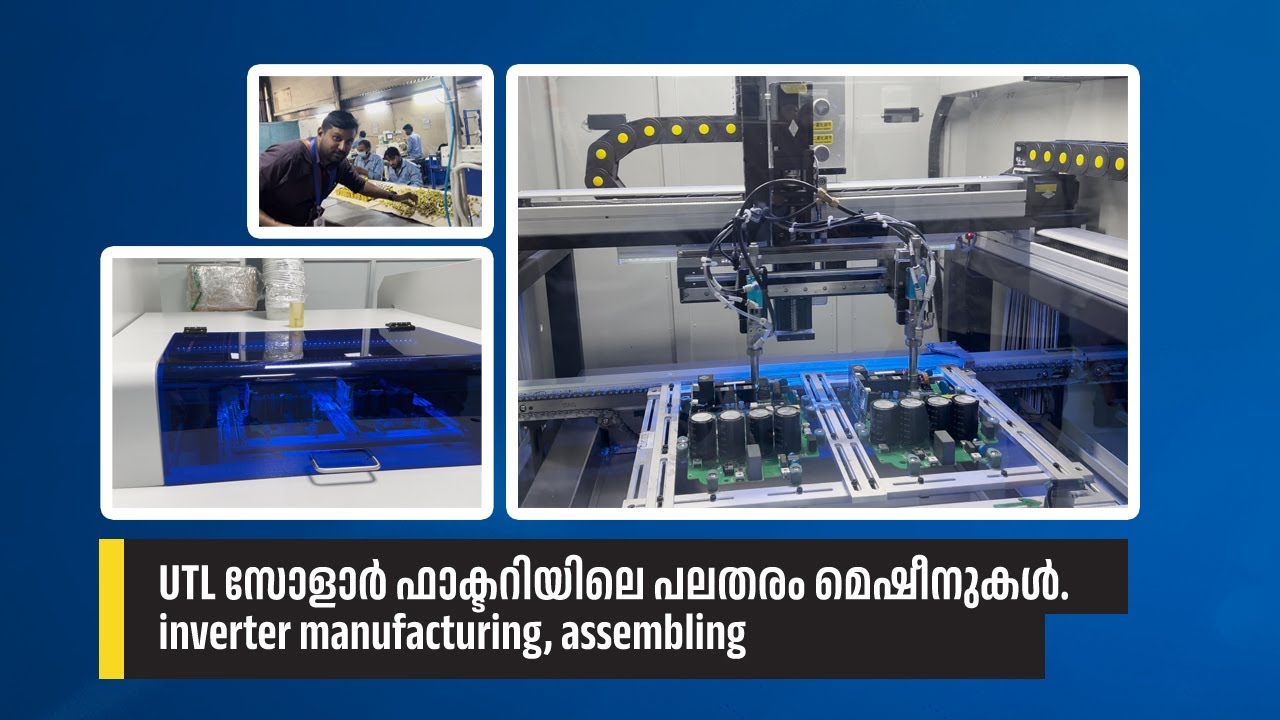
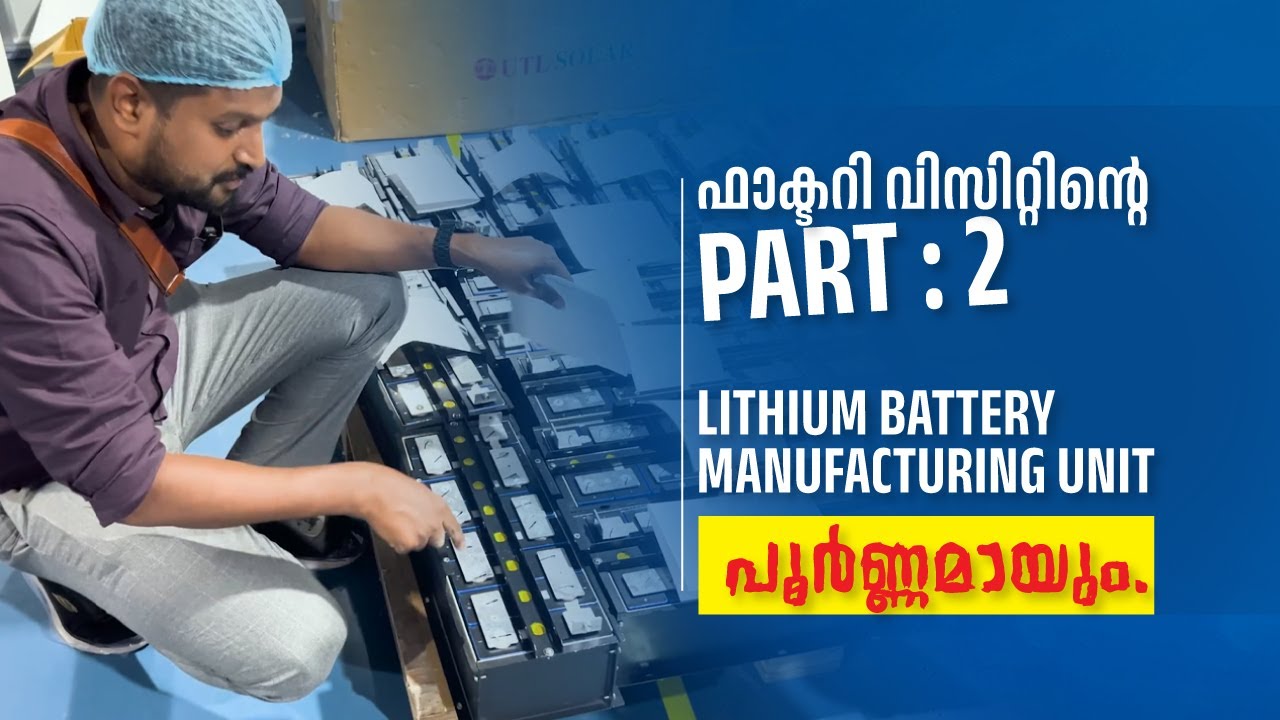
Have you looked at the UTL Gamma LION looking at some Youtube videos on the factory tour they seem to be reputable but I haven’t heard of anyone with this UPS myself.

Videos link (not in English) -

1 Like

Sorry to hijack the thread, but in this search does anyone found a similar lithium inverter with wifi/LAN monitoring?

Almost five years later to see the same conclusion that I also reached looking for a smart UPS is pretty sad :confused:

Where do you see that? Post a link

It means you have to derate the battery capacity as when it’s running on backup you lose some due to the inefficiency of the transformer.

I’d done these calculations over five years back in a thread called looking for a smart UPS

Ah yes, the holy grail that we’re all looking for

2 Likes

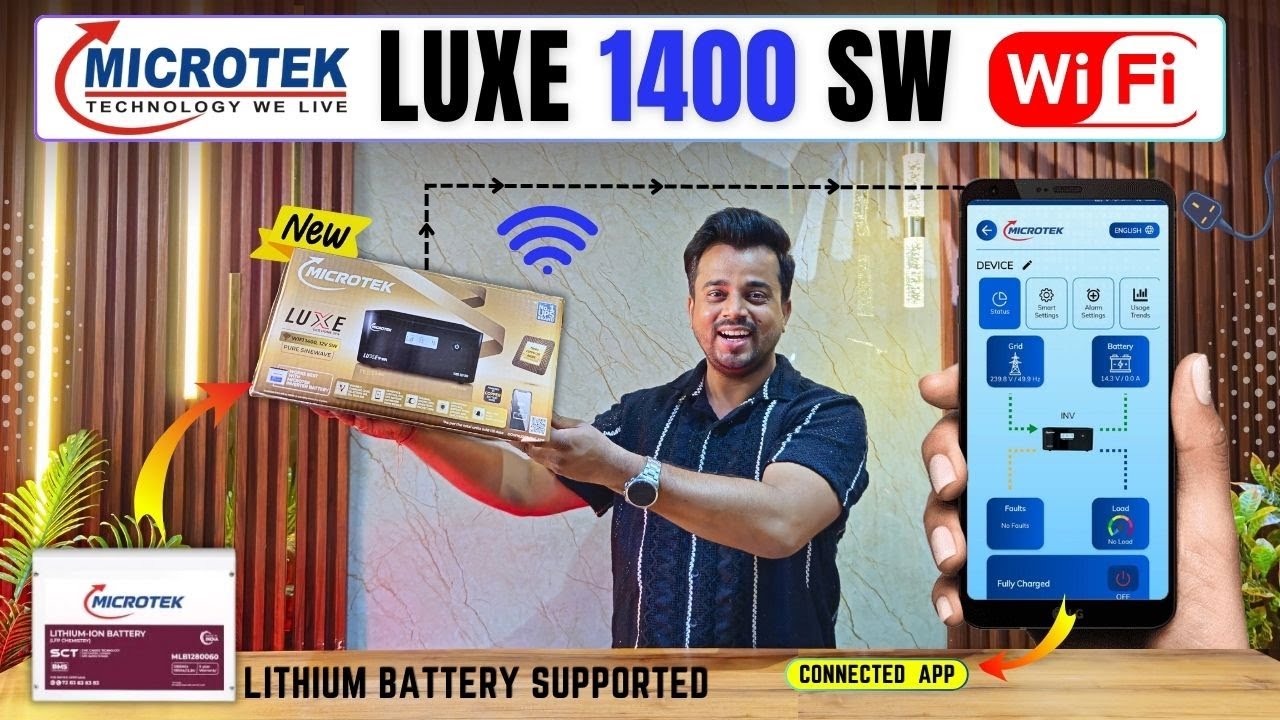
The Microtek lithium inverter has WIFI monitoring.

The above link (Microtek Lithium-Ion Battery MLB1280060 (12.8V/100Ah, 1280Wh) – LiFePO4 with SCT SyncCharge Technology, BMS Protection, Back Up More Than 100AH Lead Acid Battery, 5-Year Warranty : Amazon.in: Home & Kitchen) you can find Retail EZ in the other sellers section

1 Like

Ok thx but are you sure they were referring to microtek?

Yeah, after some searching found some inverters with wifi like this Microtek luxe and luminous zelio but I’m looking for something in the 3kw range.

These suvastika (by the sukam founder) inverters have wifi in that range… dunno if anyone have any experience with them.

I dont think the invertor shared by you has lithium battery mode. It will be sending float current even after battery is fully charged which is required in lead acid batteries but not in lfp batteries

2 Likes

Sorry, what I meant is that, it usually comes up for sale like in promotional deal at 18k from RetailEz seller. As of now, the price from RetailEz is higher. (Can’t link to RetailEz’‘s listing as TE seems to remove the seller reference in the link as part of adding their affiliate tag)

1 Like